Demonstrations Ban in Tangier
Just four days after a parliamentary election marked by a meager voter turnout of only 38 percent and the resurgence of the Justice and Development Party (PJD), authorities in Tangier prohibited a demonstration organized by the Moroccan Front for Palestine Support. This protest aimed to voice opposition against the normalization of relations with Israel, a process that has escalated following the elevation of diplomatic missions to embassies. The responsibility for this diplomatic shift largely falls under the purview of the King rather than Parliament, where the PJD remains staunchly opposed to normalization efforts.
On Sunday, September 27, officials in Tangier declared the demonstration illegal, citing potential disturbances to public order and traffic as justifications for the ban. Despite these restrictions, numerous activists endeavored to gather peacefully, leading to a clash with security forces who subsequently dispersed the crowd. A number of individuals were detained during this operation, including prominent figures such as Hassan Moghbar, a local party representative, Hassan Nektar, the head of the Tangier section of the Moroccan Association for Human Rights (AMDH), and activist Mohamed Lamrabet. By Monday morning, the exact number of arrests and the conditions of those detained remained uncertain.
Political Landscape Post-Election
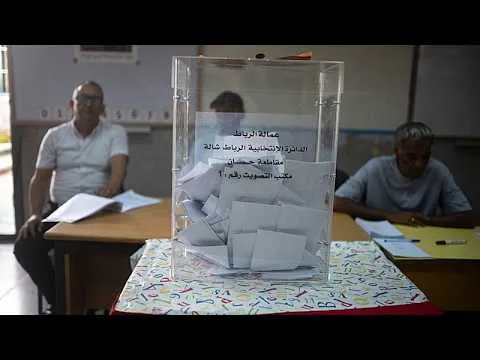
The prohibited demonstration took place shortly after the parliamentary elections held on September 23, where the Party of Authenticity and Modernity (PAM) emerged as the largest party, securing 97 out of 395 seats. They were followed by the National Rally of Independents (RNI) with 66 seats and the Istiqlal Party with 65 seats. Notably, the voter turnout was the lowest since 2007, reflecting widespread discontent among the populace. Meanwhile, the PJD saw a significant increase in representation, climbing from 13 to 54 seats, primarily on a platform that rejected the normalization of relations with Israel. Political analyst Mustapha El Mnasfi highlighted this issue as a significant factor contributing to the party's resurgence in his analysis for The Conversation Africa. PJD leader Abdelilah Benkirane has already ruled out joining a government led by PAM.
The three leading parties in the new parliament were part of the previous governing coalition. To achieve an absolute majority, which requires 198 seats, PAM will need to seek alliances. However, foreign policy decisions remain predominantly under the direct authority of the King, further complicating the political landscape.
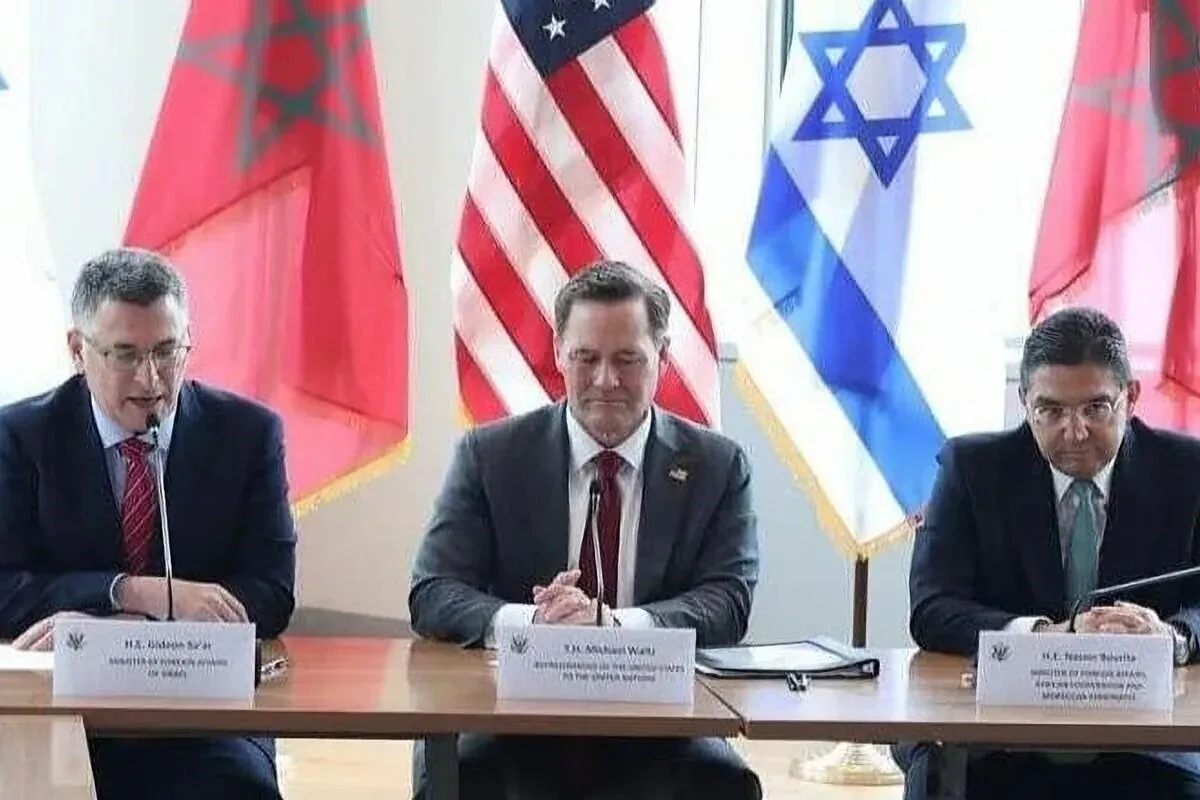
On September 16, just days before the elections, Morocco, the United States, and Israel jointly announced the elevation of their diplomatic representations to embassies, along with plans to resume direct flights between Morocco and Israel. Following this announcement, a Moroccan delegation remained seated during Israeli Prime Minister Benjamin Netanyahu's speech at the UN General Assembly, while 77 other delegations exited the hall in protest. This action marked a significant divergence from the stance of many Arab nations, with Morocco, the United Arab Emirates, and Bahrain being the only Arab states to stay.
In the wake of the election, protests erupted across several Moroccan cities. The largest demonstration occurred in Marrakech, where thousands rallied under the banner of "Friday for Al-Aqsa Support and Against Normalization." Tangier also witnessed a substantial protest the previous Sunday, indicating a growing sentiment against normalization.
Conflict between the Front and the authorities in Tangier is not uncommon. A planned demonstration on February 28 to support Iran was officially banned, and a sit-in near the port against the participation of an Israeli delegation in a sailing championship was also prohibited. Arrests of members from the Annahj Addimocrati party, which had called for a boycott of the elections, occurred during the election campaign as well, with AMDH reporting detentions and impediments to political activities in various cities including Casablanca, Salé, Tangier, and Al Hoceima.
As Morocco moves forward, King Mohammed VI is set to appoint a new prime minister who will succeed Aziz Akhannouch, amidst these turbulent political dynamics.
As reported by africa-live.de.