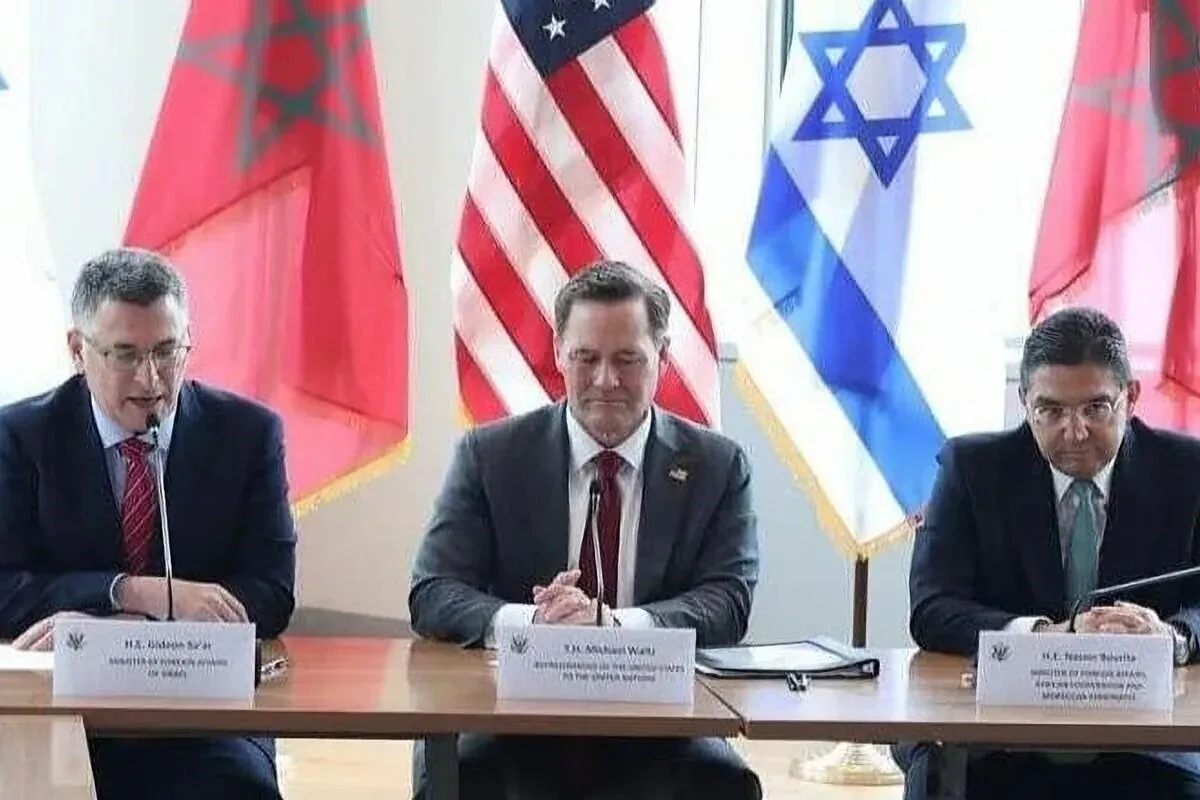

On September 16, 2026, Israel and Morocco took significant steps to enhance their diplomatic relations during a trilateral meeting held in New York. Israeli Foreign Minister Gideon Sa’ar, Moroccan Foreign Minister Nasser Bourita, and U.S. Ambassador to the United Nations Mike Waltz agreed to upgrade their existing liaison offices to full embassies and appoint ambassadors. This strategic agreement aims to further deepen cooperation between the two nations, with plans to advance investment protection agreements and double taxation avoidance pacts by the end of 2026. Additionally, there are plans for increased direct flights and high-level mutual visits, reflecting the dynamic growth of trade, which saw a remarkable 70% increase in bilateral trade volume during the first half of 2026.
The historical context of Israel-Morocco relations is profound, as Morocco has been home to a significant Jewish community for centuries. Following the establishment of Israel, over 200,000 Moroccan Jews immigrated to the country, notably through the secretive "Operation Jachin" starting in 1961. Both nations began cultivating clandestine ties as early as the 1960s, particularly in security matters, with King Hassan II playing a crucial mediating role. In 1977, he facilitated secret discussions between Israeli and Egyptian representatives, which laid the groundwork for the eventual peace treaty between Israel and Egypt. Official liaison offices between Israel and Morocco were first established in 1995, although Morocco closed its office in 2000 following the onset of the Second Intifada. The resumption of diplomatic relations in December 2020, under the U.S.-brokered Abraham Accords, marked a pivotal moment in this partnership. A further advancement occurred in July 2023 when Israel officially recognized Morocco's sovereignty over Western Sahara, solidifying their bilateral ties.
Despite the diplomatic advancements, there is growing resistance within Morocco against the increasing rapprochement with Israel. Groups such as the radical Anti-Normalization Front (FMSPCN) and Islamist factions, including the PJD party, have called for nationwide protests under the banner “No Ambassador – No Embassy.” Although Islamist forces gained ground in the recent parliamentary elections, the responsibility for foreign and security policy rests constitutionally with King Mohammed VI. The leadership in Rabat perceives the partnership with Israel as strategically significant in the long term, supported by historical connections, shared security interests, and economic collaboration.
In light of the opposition, Rabat remains steadfast in its course, with intentions to deepen normalization with Israel rather than retract it. The elevation of liaison offices to full embassies signifies a transition from a previously secret collaboration to a solidified strategic partnership.
As reported by fokus-jerusalem.tv.