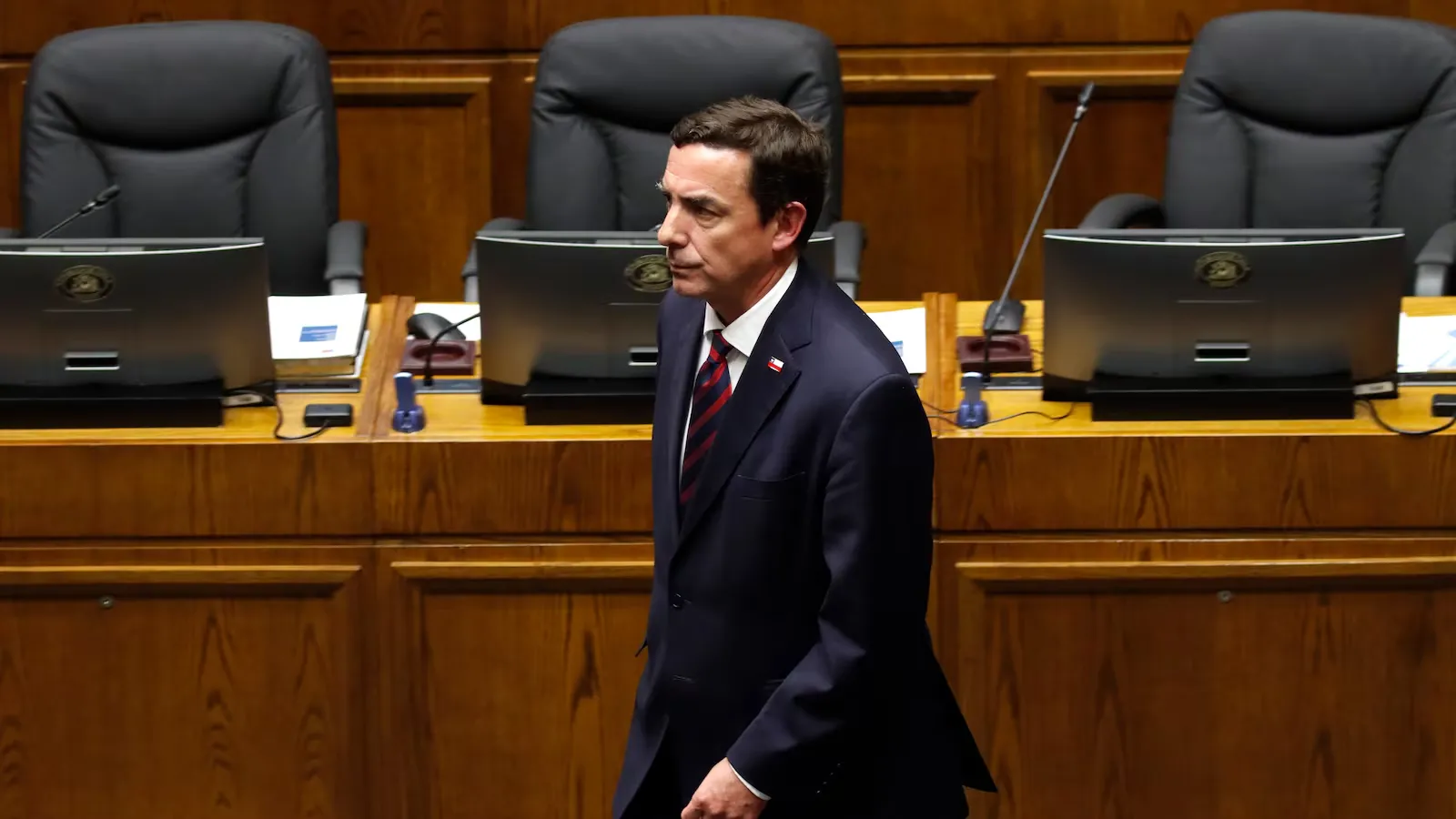

Justice Minister Initiates Key Reforms in Civil Procedural Code
In a significant move aimed at modernizing Chile's judicial processes, Justice Minister Fernando Rabat has taken decisive steps toward reforming the Civil Procedural Code, a task that has lingered for over two decades across various administrations. Understanding the critical need for comprehensive reform, Rabat has convened two advisory bodies to guide the legislative process, reflecting a commitment to overhaul the existing legal framework.
Rabat, with extensive experience in civil litigation, acknowledges the long-standing challenges in updating the Civil Procedural Code, an issue that has been postponed through successive governments. As the focus has gradually shifted to reforming other areas of law—such as criminal, family, labor, tax, and environmental law—the civil processes have remained stagnant, despite numerous expert opinions, seminars, and academic discussions that have failed to catalyze action. The proposed reforms are now under consideration in the Senate, where they have been pending for a prolonged period.
To expedite progress, the minister, along with his advisor Trinidad Zegers, is prioritizing this reform. As part of this initiative, a five-member consultative committee will be established to provide expert guidance on the comprehensive review and update of the proposed legislative text for the new Civil Procedural Code, as well as during its legislative journey. This committee will include notable figures such as Mariana Valenzuela from the Council of Defense of the State, José Pedro Silva, the director of the Justice Reform Program at the Catholic University, Alejandro Romero, a former dean at the University of the Andes, Renée Rivero from the University of Chile, and Macarena Vargas, the associate dean at Diego Portales University.
In addition to the consultative committee, a ten-member advisory commission will focus on unresolved issues from the initial legislative process. This group will address critical aspects such as the regulation of a new executive procedure, the cassation appeal, a simplified summary procedure, mandatory judicial mediation for specific civil actions, and the adaptation of the project to incorporate electronic processing and new technologies into civil procedures. The advisory commission will consist of academics from various universities, including Nicolás Frías (UC), Matías Insunza (UCh), Orlando Poblete (UAndes), Jaime Carrasco (UDD), Sophia Romero (PUCV), Andrés Bordalí (UACh), Ricardo Lillo (UAI), Pedro Rencoret (UC), María de los Ángeles González (UCh), and Gonzalo Cortez (UdeC).
The inaugural session of these committees is scheduled for Tuesday, where Minister Rabat and his team will outline the agenda moving forward. The minister is dedicated to maintaining momentum on this reform, with plans to engage in discussions with educators about the legislative changes and to participate in the first seminar on Civil Procedural Reform at the Autonomous University of Temuco later this week. This proactive approach signifies a renewed commitment to advancing Chile's legal system and addressing the long-overdue reforms that have been neglected for years.
As reported by latercera.com.