
Rabat's Strategic Approach to the Royal Visit in Ceuta
As Morocco gears up for the upcoming royal visit to Ceuta and Melilla, the government in Rabat is meticulously crafting its response to ensure that it does not inadvertently bolster the political standing of the Spanish opposition party, the Popular Party (PP). According to well-informed sources closely monitoring political dynamics in Morocco, the authorities are still deliberating on their course of action. On one hand, Morocco maintains its longstanding claim over the two autonomous cities; on the other, it aims to avoid giving the PP any political ammunition that could be used against the Spanish government led by Pedro Sánchez, especially in light of the impending electoral campaign scheduled for November 29.
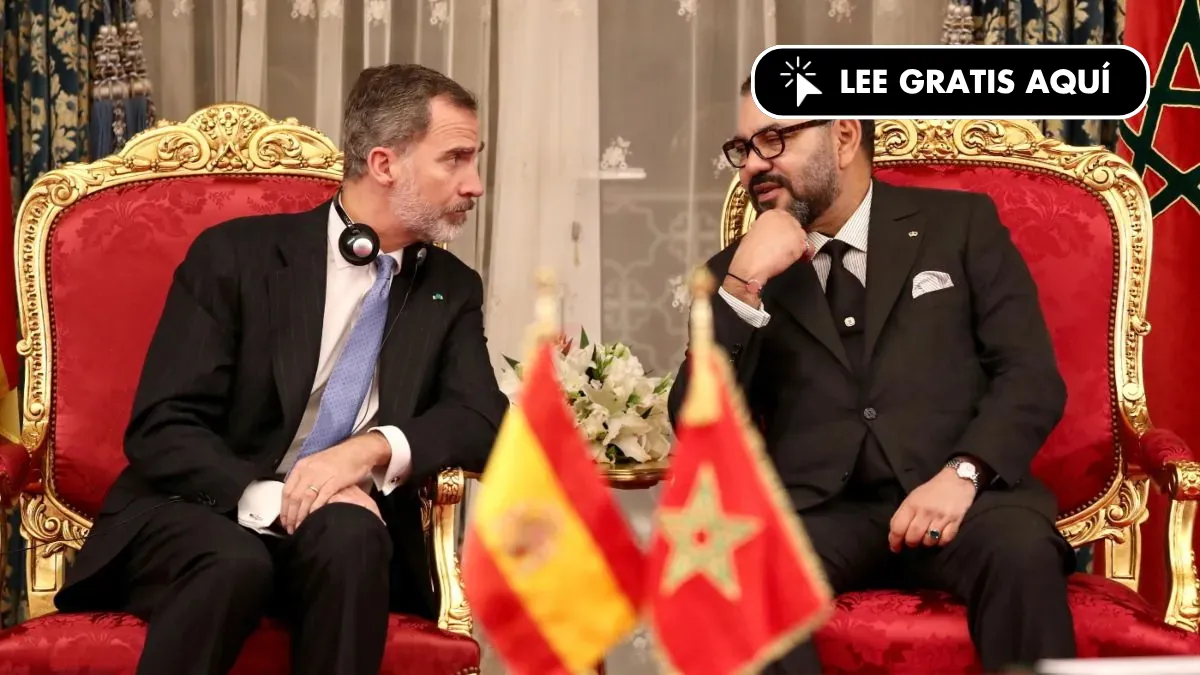
The royal engagement, which will mark the first official visit of King Felipe VI and Queen Letizia to these territories, arrives at a particularly sensitive juncture in relations between Spain and Morocco. This is especially true following an unprecedented influx of approximately 80,000 individuals into Ceuta, an event that has been largely interpreted as a hybrid warfare tactic orchestrated by Rabat, despite the Spanish government's reluctance to frame it as such. The primary objective of the visit is to convey unwavering support from the Spanish monarchy to the residents of Ceuta amidst ongoing tensions, which, although slightly alleviated in recent weeks, remain a cause for concern.
Thus far, the only notable Moroccan reaction has emanated from state-run media, particularly from the digital outlet Le360, which is closely associated with the inner circle of King Mohammed VI. This outlet has begun to stoke tensions by labeling the royal visit as a "provocation" and a move contrary to any logic of appeasement. Both the Moroccan Prime Minister and the Ministry of Foreign Affairs have remained tight-lipped regarding the visit. In his recent address at the opening of the new parliamentary session, King Mohammed VI asserted that cooperation with Spain should not be subject to "pressure, threats, or blackmail," reflecting the delicate geopolitical balance at play.
Historical Context and Political Implications
Looking back, a significant precedent for Morocco's potential response can be traced to 19 years ago when King Juan Carlos and Queen Sofia visited Ceuta and Melilla. At that time, Morocco summoned its ambassador for consultations as a show of discontent. However, the current situation is markedly different; the mass irregular entry of thousands into Ceuta and the ongoing electoral campaign complicate the political landscape considerably. Sources consulted for this article indicate that Morocco is now in a far more precarious position regarding its response. The imagery of citizens fleeing Morocco and shouting "Long live Spain!" upon crossing the border has severely tarnished its international image, especially as Morocco seeks to host the 2030 FIFA World Cup alongside Spain and Portugal. Any excessive reaction may have unforeseen repercussions, something that the Moroccan leadership is acutely aware of.
As reported by theobjective.com.