
Rising Tensions Between Spain and Morocco Over Immigration Issues
The ongoing crisis in Ceuta has reopened longstanding diplomatic tensions between Rabat and Madrid, potentially threatening to escalate into a significant confrontation between the two nations. Historically, the relations between Spain and Morocco have been characterized by fluctuations, with recent developments indicating a concerning shift in dynamics. The Spanish government's previously cautious approach to Morocco is now being challenged by the Alawite Kingdom, which has accused Spain of obstructing the repatriation of migrants and has controversially questioned the sovereignty of Ceuta and Melilla, Spanish territories on the North African coast. This situation has become increasingly alarming, especially given that Morocco has signaled its willingness to reconsider the existing extradition agreement with Spain, hinting at a possible suspension of this crucial legal framework.
In a recent interview, Moroccan Minister of Justice Abdellatif Ouahbi stated that Morocco is willing to collaborate with Spain to devise a comprehensive plan aimed at resolving the ongoing immigration crisis. He emphasized the need for decisive and courageous action from both governments, underscoring the complexity of the current migratory challenges. The Spanish Minister of Foreign Affairs, José Manuel Albares, has acknowledged ongoing discussions with his Moroccan counterpart, indicating a willingness to explore new bilateral agreements to address these pressing issues. Albares reaffirmed Spain's commitment to returning all individuals who entered Ceuta illegally, a stance that aligns with the demands of local political leaders and the general populace.
Defending Spanish Sovereignty Amidst Crime and Conflict
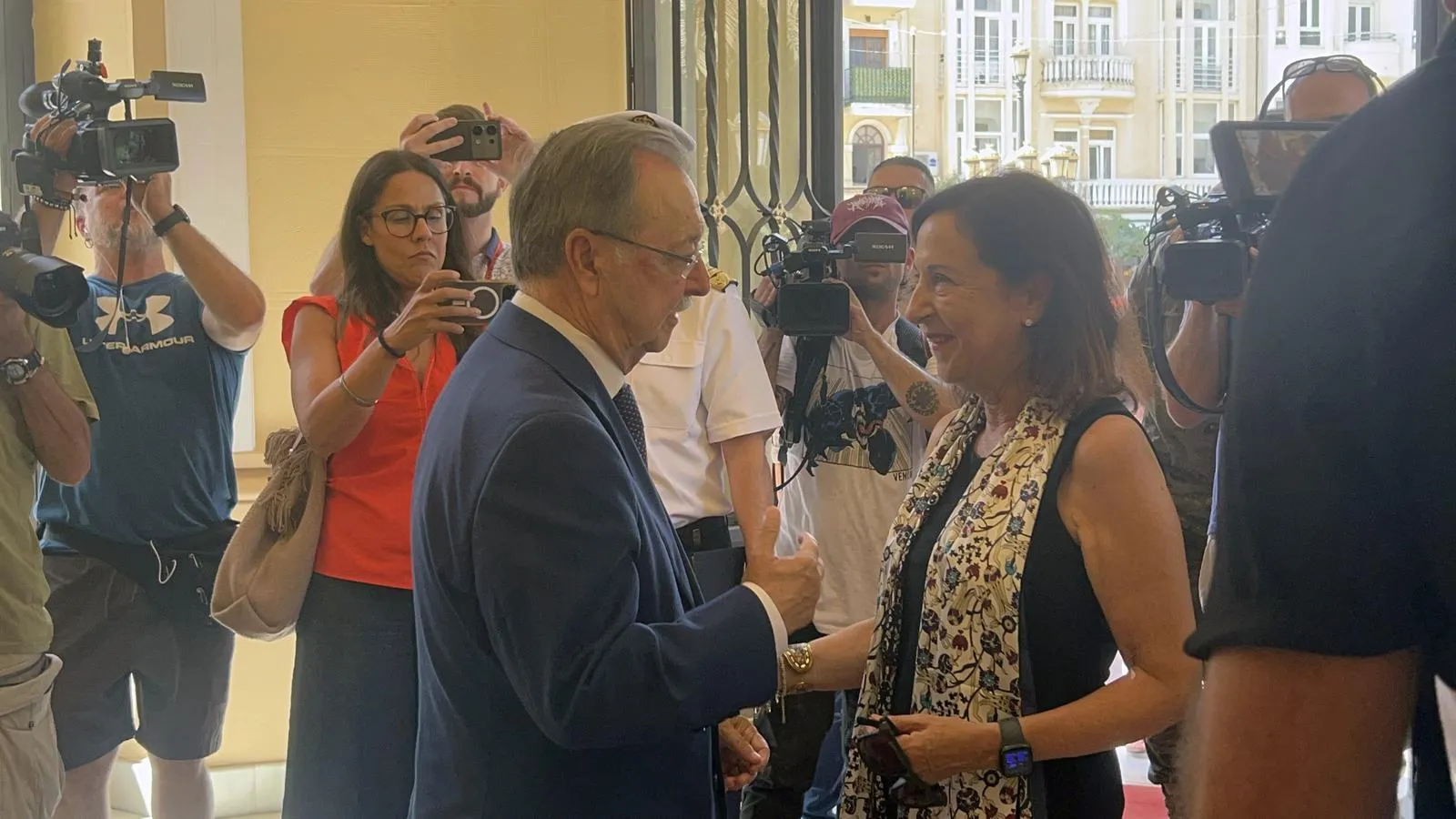
Amid these rising tensions, Spanish Defense Minister Margarita Robles has publicly defended Spain's sovereignty over Ceuta, responding to Ouahbi's recent claims questioning this sovereignty. Robles firmly stated that "Ceuta is very Spanish" and asserted that both Ceuta and Melilla are non-negotiable territories. Her remarks were intended to reassure residents of Ceuta, some of whom expressed their apprehensions during her visit, chanting, "We will not leave you alone." This visit, which marked Robles' first trip to Ceuta since the onset of the crisis, comes amidst reports of a humanitarian emergency still palpable in the region.
As the situation continues to evolve, the political landscape within Spain is also being affected. While the Popular Party (PP) has rallied around the idea of returning individuals who entered Ceuta illegally, the broader debate on immigration policies remains contentious. This tension was highlighted during a Senate hearing, where the Minister of the Interior faced scrutiny regarding the government's handling of the crisis. Notably, Robles has expressed her condolences for the victims of recent tragedies at the southern border, emphasizing the need for accountability against those profiting from the plight of migrants.
The precarious conditions for many in Ceuta are evident, with reports indicating that over a thousand individuals are currently sleeping in the open, struggling to access basic necessities. As the Spanish government navigates these complex diplomatic waters, the future of Spain-Morocco relations hangs in the balance, with potential implications for immigration policy and regional stability.
As reported by en.ara.cat.