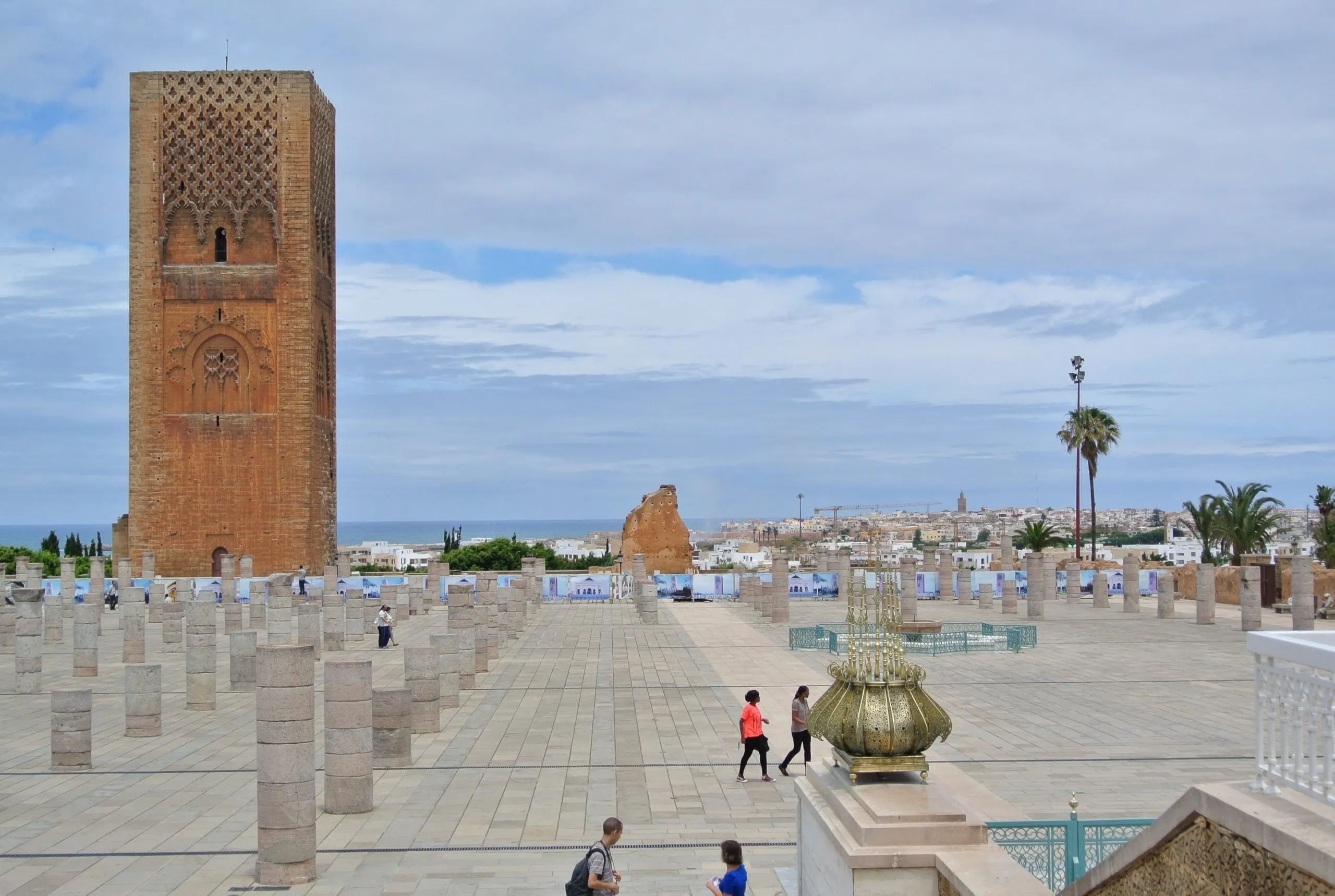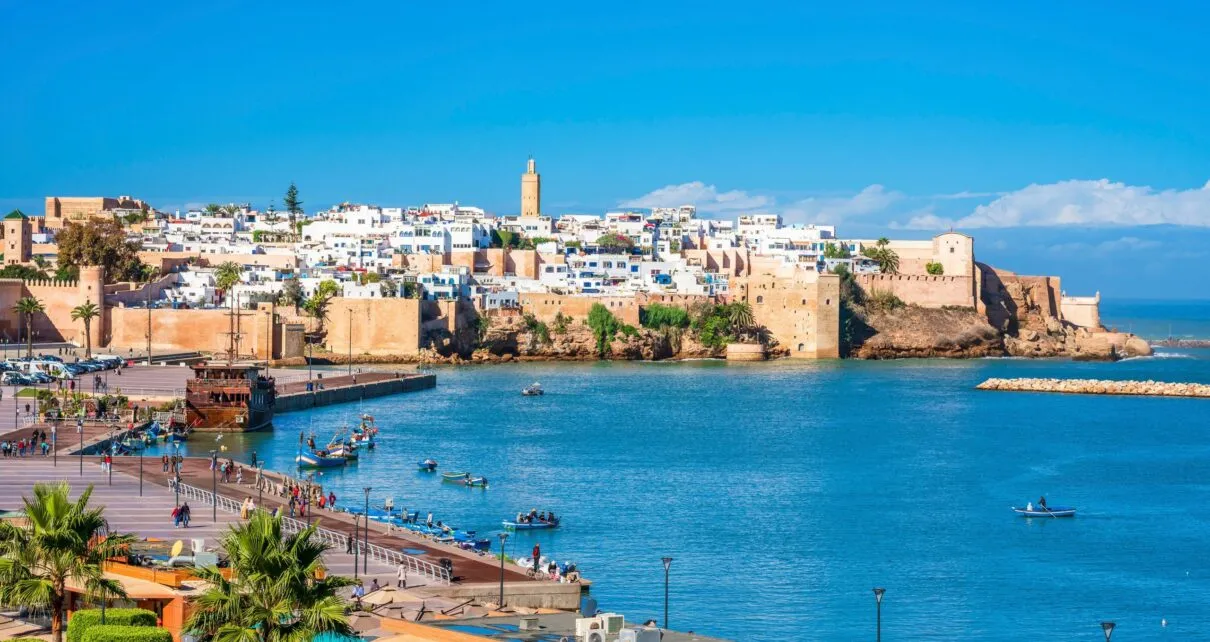

Rabat, long perceived as merely an administrative and institutional city, is undergoing a significant transformation in its tourism sector. As highlighted by Finances News Hebdo, the city is strategically shifting its focus from sheer volume to value, aiming to establish a premium tourism model by the year 2030. This ambitious plan is propelled by substantial investments and an intent to carve a unique identity for Rabat, distinguishing itself from the bustling allure of Marrakech and the economic vigor of Casablanca.
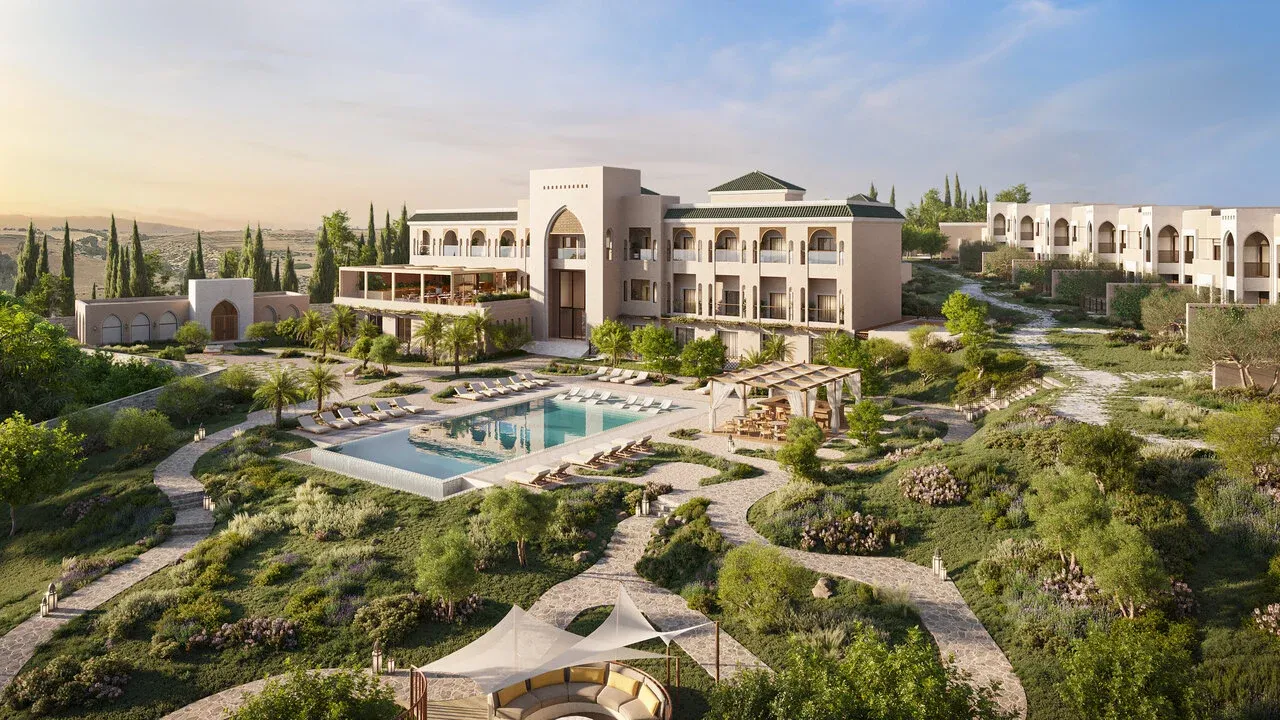
This transformation is particularly evident in the city's hospitality landscape. The introduction of renowned international hotel brands such as Four Seasons, Ritz-Carlton, Conrad, and Waldorf Astoria, which is set within the iconic Mohammed VI Tower, signifies Rabat's entry into the luxury tourism segment. The capital is targeting discerning travelers, including business professionals, cultural enthusiasts, and participants in Meetings, Incentives, Conferences, and Exhibitions (MICE). By leveraging its rich architectural heritage, modern cultural institutions, coastal beauty, and a robust security environment, Rabat, often referred to as the 'City of Lights,' is positioning itself as a tranquil yet high-quality alternative for travelers seeking a more sophisticated experience.
The impact of this strategic pivot is already reflected in the city's tourism statistics. Between 2023 and 2025, the number of visitors to Rabat's classified accommodation facilities surged by 25 percent, increasing from 453,542 to 567,989. This growth was accompanied by a 14 percent rise in overnight stays, nearing one million at 990,756. Notably, the acceleration was particularly pronounced in 2025, where average occupancy rates reached 53 percent, with luxury hotels experiencing a remarkable 61 percent increase in visitor arrivals and a 48 percent rise in overnight stays during that year alone. This growth has solidified Rabat’s position as a central player in its administrative region's tourism sector, accounting for nearly 60 percent of its overall activity.
While domestic tourists continue to constitute a significant portion of Rabat's visitor demographic, with over 225,000 arrivals recorded in 2025, the profile of visitors is becoming increasingly international. France and the United States remain historical sources of tourists, but there has also been notable growth from China, the Arab world, and sub-Saharan Africa, reflecting Rabat's expanding diplomatic and cultural influence. The city's appeal is further enhanced by improved air travel options, as Rabat-Salé Airport welcomed over 2.16 million passengers in 2025, marking an impressive annual growth rate exceeding 25 percent.
Moreover, although the average duration of stay is still relatively short at 1.74 nights, the indicators suggest that Rabat is on a decisive path towards substantial change. Initiatives focusing on regional circuit diversification, coastal development, golf infrastructure, and a vibrant events calendar are progressively transforming Rabat from a mere stopover into a destination for extended experiences and a showcase of Morocco's cultural and tourism excellence.
As reported by northafricapost.com.