
Rabat's Strategic Shift Towards High-End Tourism
Rabat, the capital of Morocco, is undergoing a significant transformation, shedding its long-standing image as merely an administrative hub. With a strategic focus on elevating its tourism sector, the city is repositioning itself as a premium destination, emphasizing quality over quantity. This shift is expected to culminate by 2030, driven by unprecedented investments and a clear vision: to carve out a unique identity rather than imitate the bustling tourism of Marrakech or the economic vigor of Casablanca. As highlighted in a recent report by Finances News, Rabat is poised to become a beacon of high-end and cultural tourism in the Kingdom.
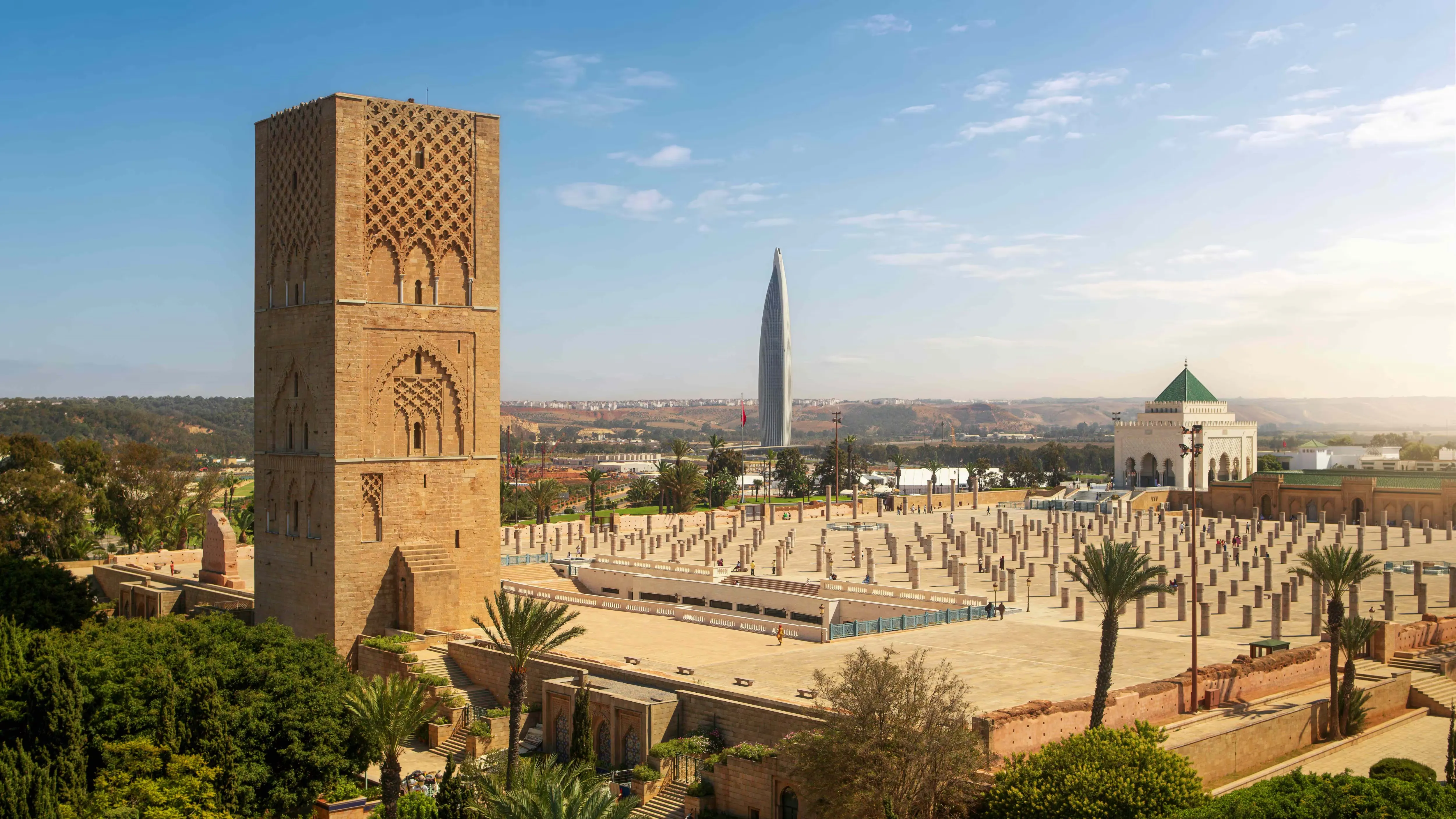
This metamorphosis is reflected in the city’s expanding hospitality offerings, marked by the establishment of renowned global hotel brands such as Four Seasons, Ritz-Carlton, Conrad, and Waldorf Astoria, all nestled within the striking Tower Mohammed VI. This luxury influx aims to attract discerning clientele, including business travelers, cultural tourists, and participants in the Meetings, Incentives, Conferences, and Exhibitions (MICE) sector. Leveraging its architectural heritage, modern cultural facilities, maritime access, and enhanced security, Rabat is positioning itself as a serene and structured alternative for high-quality tourism.
Rising Tourism Statistics and Diverse Visitor Demographics
The strategic redirection is already yielding positive results, as evidenced by official statistics. Between 2023 and 2025, classified accommodation establishments in Rabat experienced a 25% increase in visitor arrivals, soaring from 453,542 to 567,989. Additionally, overnight stays surged by 14%, nearing a million with 990,756 recorded nights. The acceleration was particularly pronounced in 2025, with average occupancy rates reaching 53%. The impact of luxury accommodations has been significant, with a remarkable 61% increase in arrivals and a 48% rise in overnight stays within the high-end segment for that year, solidifying Rabat's central role in the region’s tourism sector, now accounting for nearly 60% of the area's activity.
While national tourists remain the backbone of the city's tourism, with over 225,000 arrivals in 2025, the profile of visitors is diversifying and becoming increasingly international. France and the United States continue to be traditional source markets, but new growth areas are emerging, notably from China, the Arab world, and Sub-Saharan Africa, reflecting Rabat's growing diplomatic and cultural influence. This attractiveness is further supported by improved air connectivity, with Rabat-Salé Airport surpassing 2.16 million passengers in 2025, marking an annual increase of over 25%.
Although the average duration of stay is still modest at 1.74 nights, all indicators suggest that Rabat is at a pivotal turning point. By diversifying its regional circuits, enhancing its coastline, developing golf infrastructure, and curating engaging events, the city is gradually transforming its historical role as a transit stop into a destination for extended experiences, establishing itself as an exceptional cultural and tourism showcase within Morocco.
As reported by fr.le360.ma.