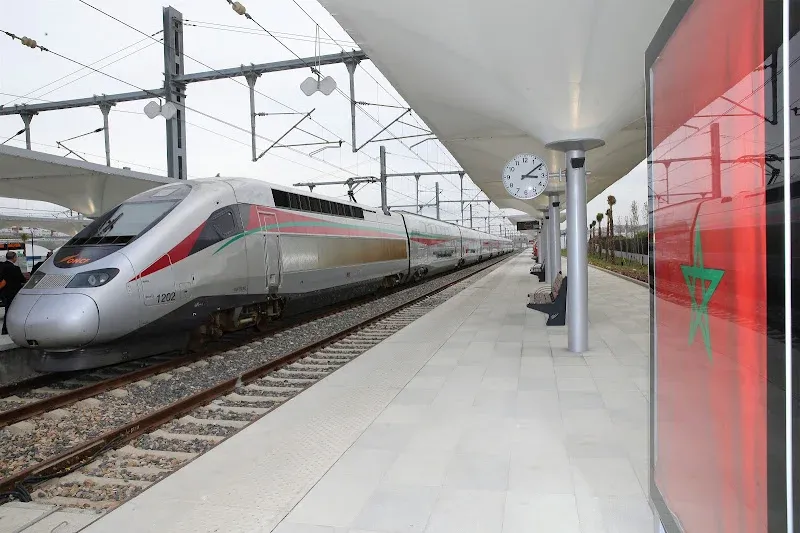

Al-Boraq's Economic Growth Supports Infrastructure Expansion
Abdel-Samad Khiyouh, Morocco's Minister of Transport and Logistics, has confirmed that the integrated economic development model for the Al-Boraq high-speed train serves as an effective catalyst for financing the expansion of the high-speed rail network across the country. He emphasized that studies have validated the benefits of the investments made in this project. In addition to commercial revenues that cover operational costs and generate a surplus contributing to infrastructure funding, the positive impacts observed on the local economic fabric, along with enhanced fiscal resources, affirm the project's capacity to sustain itself while delivering significant added value to the national economy.
Three Pillars of the Economic Model
In a recent written response concerning the financial sustainability of the Al-Boraq high-speed train, Khiyouh highlighted that the economic and developmental model of the train relies on three main pillars: cost control, flexible pricing policies, and mobilization of sustainable funding. The National Railway Office employs a cost structure focused on local talents and services, allowing it to benefit from preferential economic conditions compared to international standards. This approach aids in reducing maintenance costs, facilitating the transfer of skills and technical knowledge, and achieving added value in management and operations, while also promoting clean energy options that enhance the project's environmental dimension.
Furthermore, the Minister pointed out that the office's pricing policies consider the purchasing power of travelers, which in turn helps increase train occupancy rates and improve profitability. The office is also actively working to optimize the economic and environmental impacts of the project to secure financing under favorable conditions from national and international funding institutions. This reflects the project's attractiveness and its ability to balance economic performance with social and environmental responsibility.
Khiyouh informed the parliamentary advisor that the Al-Boraq train, which is the first high-speed train in Africa and the Arab world, stands out as one of Morocco's most significant infrastructural projects aimed at modernizing rail transport. This ambitious initiative aligns with the royal vision to enhance connectivity between major urban centers, facilitate the movement of people and goods, and contribute to integrated and sustainable national development.
Financially, the revenues from the Al-Boraq train have shown remarkable growth, increasing from 407 million dirhams in 2019 to 780 million dirhams in 2024, which equates to a 92% rise. This revenue accounts for approximately 28% of the passenger transport activity's turnover, illustrating the growing significance of the high-speed train in strengthening the financial balance of the office. The surplus generated allows it to cover various operational expenses and contribute to the financing of critical infrastructure investments. The minister also noted that gross operating income has increased by 95%, rising from 995 million dirhams in 2019 to 1.949 billion dirhams in 2024.
As reported by hespress.com.