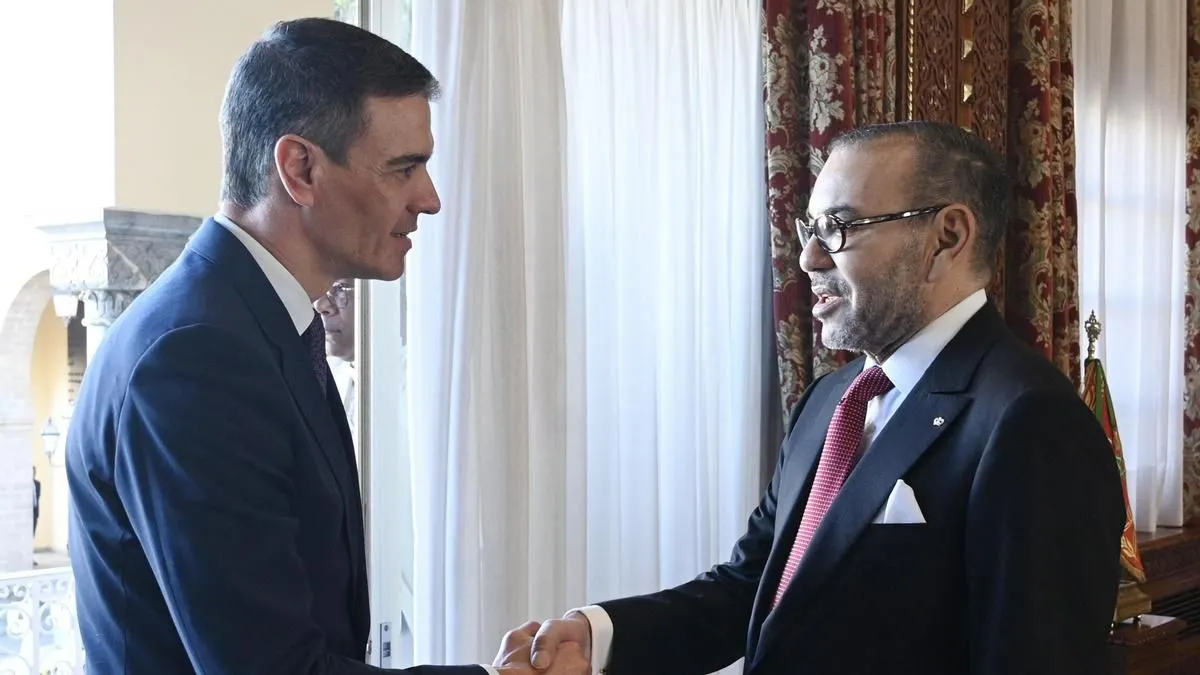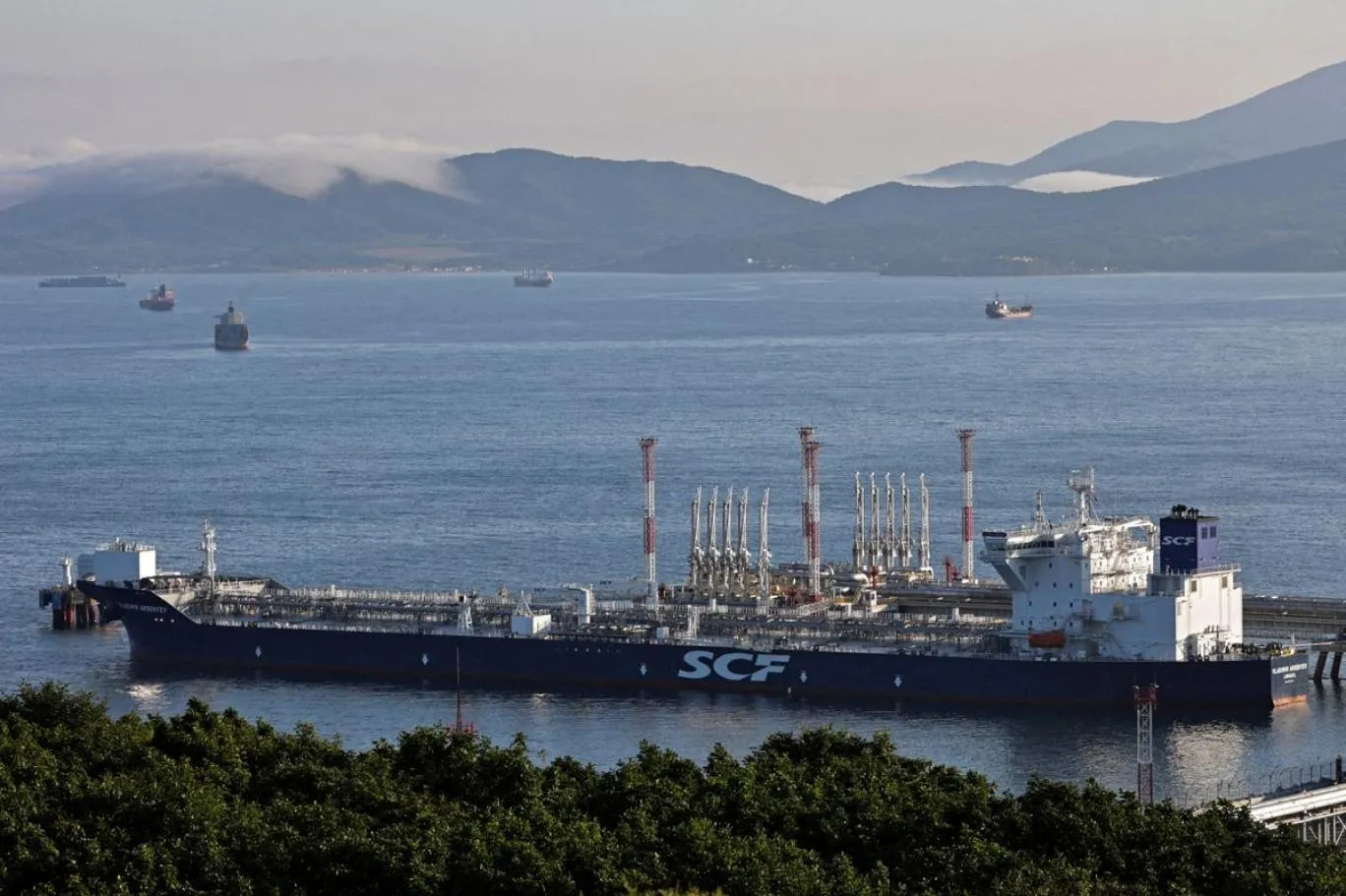

A rare shipment of gasoline from Morocco has successfully reached Russia, marking a significant step in Moscow's efforts to secure its domestic fuel supply amid declining refinery production due to repeated Ukrainian drone attacks. This shipment, which consists of approximately 30,000 metric tons of AI-92 gasoline, was loaded at the port of Tangier in mid-July before arriving at the port of Murmansk in the far north of Russia. The deal underscores the resilience of global petroleum derivative trade, with experts suggesting that the shipment may stem from surplus or available stocks in Morocco, facilitated by the ongoing cooperation between the two nations in the fuel sector.
According to specialized energy platform reports, Russia has turned to unconventional sources to bolster its fuel supplies, implementing a series of extraordinary measures that include a ban on fuel exports, importing gasoline from neighboring countries, and utilizing maritime shipments from external markets. The AI-92 gasoline shipment from Morocco, transported by a vessel flying the Panamanian flag, commenced unloading in Murmansk, as confirmed by data from the St. Petersburg International Mercantile Exchange (SPIMEX), which indicated that the gasoline is being distributed within the local market via rail from the Kola station servicing the Murmansk port.
In response to the increasing demand and declining production from refineries, Russian Deputy Prime Minister Alexander Novak announced in mid-July that the country would start importing petroleum products to stabilize the domestic market. This move comes after Russia has already begun importing gasoline via rail from Belarus and Kazakhstan, as well as maritime shipments from India. By early July, Russian gasoline production had plummeted to about 65% of average summer consumption, prompting authorities to impose restrictions on fuel sales in several regions.
The Russian government has extended its ban on gasoline and diesel exports until January 31, 2027, as part of a broader strategy aimed at protecting the domestic market. This decision encompasses a prohibition on exporting gasoline, diesel, marine fuel, and gas oils, although exceptions will be made starting September 1 for certain producers regarding diesel and marine fuel. Alongside direct imports, Kazakhstan is in discussions with Russia to refine Russian oil at its refineries, with the intent to sell products within the Kazakh market and re-export a portion back to Russia.
Experts assert that the shipment of gasoline from Morocco does not signify a shift for the kingdom into becoming a primary fuel exporter, but rather it is likely indicative of surplus stocks or re-exported shipments, reflecting the commercial collaboration between Rabat and Moscow in the energy sector. Morocco relies entirely on imports for its petroleum derivatives, with its average imports rising to 287,000 barrels per day during the first quarter of 2026, compared to 243,000 barrels per day in the same period of 2025, which equates to an annual increase of 18%.
As reported by attaqa.net.