
The Imperative of Regional Cooperation in a Transforming World
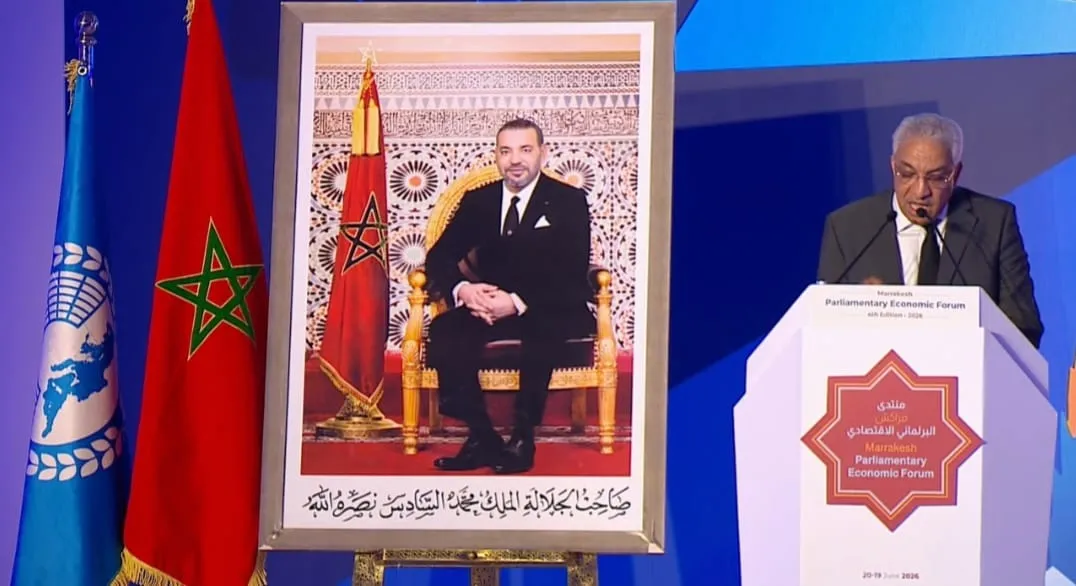
In a recent address at the fourth session of the Parliamentary Economic Forum for the Euro-Mediterranean and Gulf regions, Mohamed Sabari, Deputy Speaker of the House of Representatives, underscored the critical nature of the current international climate characterized by rapid geopolitical, economic, and technological transformations. The forum, held in Marrakech, serves as a platform to address pressing issues such as food security and climate change, which have intensified in recent years. Sabari emphasized the urgent need for enhanced consultation mechanisms and coordination among countries in the region to navigate these challenges effectively.
Sabari pointed out that the Euro-Mediterranean and Gulf regions face a myriad of obstacles that necessitate a collective vision aimed at strengthening regional economic integration. This integration is seen as a fundamental driver of development and stability within the region. To succeed, the approach must shift from traditional partnerships to a more effective and efficient economic integration that facilitates trade and financial flows between the Mediterranean shores and Gulf nations, ultimately serving the goals of mutual growth and prosperity.
Digital Sovereignty and Technological Innovation as Strategic Goals
In addition to the economic and developmental challenges, Sabari highlighted a crucial strategic objective: enhancing digital sovereignty while keeping pace with the rapid changes brought about by the digital revolution and artificial intelligence. Despite the region's rich human and institutional resources, structural challenges continue to limit its ability to effectively position itself within the global digital economy. This is evident in areas such as investment in scientific research and innovation, as well as the availability of specialized expertise geared towards international markets.
Building a competitive and innovative regional ecosystem requires bolstered cooperation between the countries of the region and their European partners. This collaboration is essential for establishing a cohesive space for research, development, and innovation, encouraging investment in advanced technologies, and leveraging these in vital sectors like health, education, agriculture, and public administration. Such advancements are integral to improving service quality and enhancing efficiency and innovation in public policies.
Against the backdrop of ongoing global transformations, Sabari pointed out that South-South cooperation, based on balanced partnerships, remains a promising strategic avenue for fostering new and more equitable development dynamics. This approach emphasizes the exchange of experiences and knowledge, the sharing of technology, and the enhancement of investments, thereby achieving sustainable and inclusive development that meets the aspirations of the region's populations.
Moreover, Sabari emphasized the unique significance of the African dimension, which serves as a vital terrain for economic cooperation and integration. Given the continent's rich human and natural resources, it offers promising investment opportunities. A comprehensive vision for Euro-Mediterranean and Gulf cooperation cannot overlook the African depth, as it is a key partner in establishing a broader space for stability, development, and shared prosperity. Strengthening investment and cooperation with Africa represents a strategic challenge that not only supports development within the continent but also contributes to enhancing security, stability, and collective prosperity within the region, while aiding in the construction of a more balanced, just, and solidarity-driven international system.
As reported by ar.telquel.ma.