
Unraveling the Ceuta Crisis: A Deep Dive into Recent Events
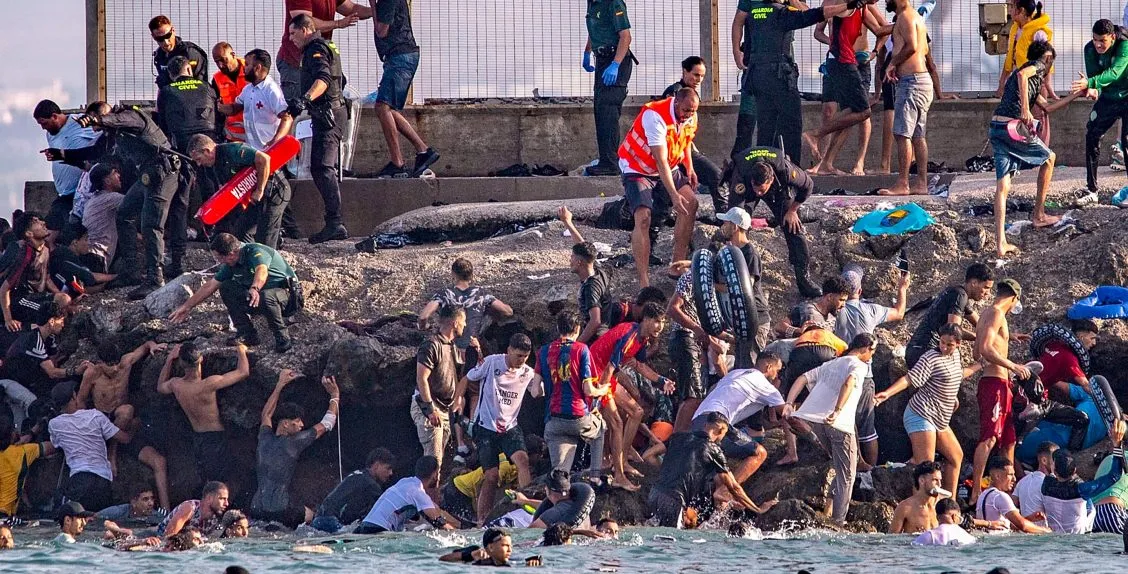
On September 19, 2026, a significant report released by Spanish security expert José María Gil Garí in the newspaper "La Razón" has shed light on the troubling circumstances surrounding the recent influx of thousands of migrants into the Spanish city of Ceuta. The report indicates the alleged involvement of the Moroccan government in facilitating this migration wave, which occurred in July of the same year. Gil Garí's findings suggest that Moroccan gendarmerie and auxiliary forces coordinated a mass crossing of migrants, allowing large groups to reach the Spanish coastline on July 30. This operation has raised serious questions about the political motivations behind using migration as a tool for pressure by the Moroccan authorities.
According to the report, the border between Morocco and Spain has been manipulated as a means of political leverage. Gil Garí accused Moroccan border patrol agents of deliberately easing the passage of migrants, a tactic previously employed in similar situations as a form of negotiation. This report comes on the heels of leaked intelligence documents that implicate Morocco in orchestrating the movement of thousands of migrants toward Ceuta. The Spanish intelligence community had reportedly forewarned their Moroccan counterparts about a planned mass crossing, yet the response was alarmingly inadequate, resulting in a collapse of border control.
During the peak of this crisis, more than 70,000 migrants attempted to cross the border on July 30 and 31, marking one of the largest migration waves recorded in the region's history. The implications of these findings are profound, highlighting not only the humanitarian challenges posed by such mass migrations but also the intricate political dynamics at play between Morocco and Spain.
As reported by elayem.news.