Morocco's Legislative Elections Witness Historic Abstention Rates
In a significant turn of events, the legislative elections held on Wednesday in Morocco recorded a participation rate of merely 38.02%, with abstention reaching a staggering 61.98%. This marks the highest level of abstention in 20 years and the second highest since the reign of King Mohamed VI, according to data released by the Moroccan Ministry of the Interior. This turnout is the lowest since 2007, highlighting a troubling trend in voter engagement, as only 37% of the electorate participated in that year's elections, resulting in a 63% abstention rate.
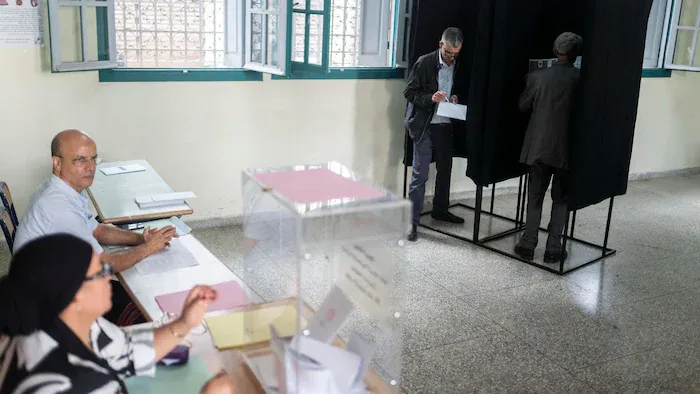
The electoral day unfolded largely without incident, aside from a notable occurrence in Tangier, where police apprehended an individual suspected of attempting to manipulate votes at a polling station. The Moroccan prosecution reported that the suspect was found in the schoolyard, where a voting table was set up, carrying a bag filled with ballots that, according to local media images, appeared to belong to one of the parties in the current ruling coalition.
Furthermore, the prosecution is investigating a video circulating on social media, showing a ballot box containing numerous ballots that witness testimonies suggest may have been inserted before voting commenced to benefit a particular party. Following a low-profile campaign, Moroccans cast their votes to elect the 395 members of Parliament amidst heightened security measures along the borders with the Spanish cities of Ceuta and Melilla. This precaution comes in response to calls for new irregular crossings, reminiscent of the massive influx of around 70,000 individuals into Ceuta on July 30, which led to the most significant migration crisis recorded between Morocco and Spain.
Abstention: A Persistent Trend in Moroccan Elections
To participate in the elections, individuals must register on the electoral roll, which this time included 15.8 million people out of a population of approximately 38 million. Alarmingly, young voters aged between 18 and 24 accounted for a mere 4% of the registry. However, estimates suggest that nearly 28 million Moroccans possess the right to vote, indicating a striking disinterest in the electoral process among the populace. This high rate of abstention has been a recurring theme in successive electoral contests over the past 25 years. In the previous election held in 2021, the abstention rate was recorded at 49.6%, a figure that, while still alarmingly high, represented the highest participation level in two decades, just above the 50% mark.
The historical data reveals that the highest abstention rate among registered voters since King Mohamed VI ascended to the throne was in 2007, reaching 63%, followed by 57% in 2016. As the electoral authorities continue with the vote tally, results are not expected to be disclosed until well into the early hours of the following day. The distribution of parliamentary seats is based on a system that calculates representation not on valid votes but on the number of registered voters in each constituency, which tends to favor fragmentation and precludes the establishment of absolute majorities. Following the announcement of the official final results, King Mohamed VI will appoint the new Prime Minister from the party that secures the highest number of votes in this election, which will then be tasked with negotiating a coalition with other political entities.
As reported by efe.com.