
High Voter Turnout in Morocco's Southern Regions
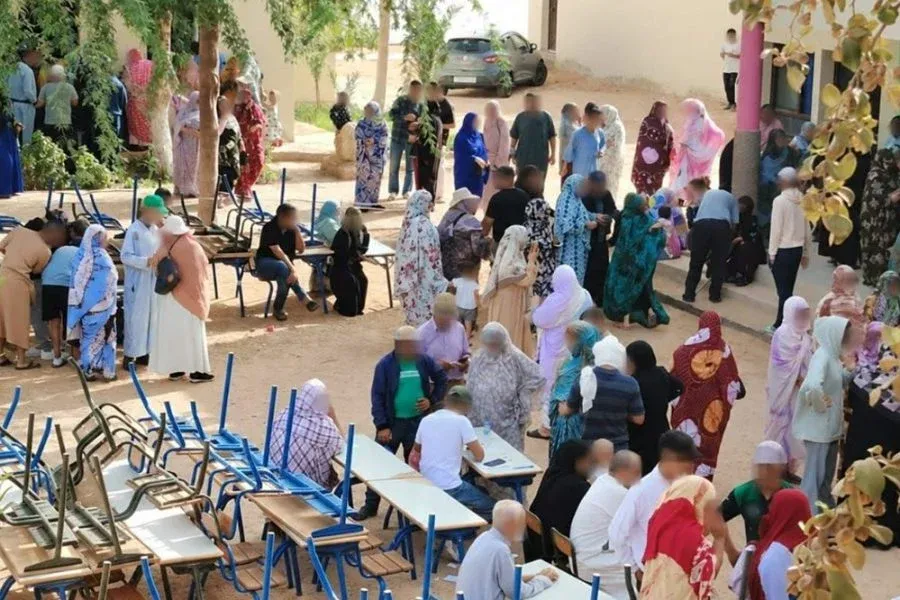
In the recent legislative elections held on September 23, 2026, Morocco's southern provinces exhibited an impressive voter turnout that far exceeded the national average. While the overall participation rate across the country plummeted from 50.86% in 2021 to just 38.08% in 2026, the southern provinces showcased remarkable engagement with turnout figures soaring to 77% in Laâyoune-Sakia El Hamra, 61% in Dakhla-Oued Ed-Dahab, and 53.48% in Guelmim-Oued Noun. These statistics reflect not only a strong commitment from the electorate in these regions but also indicate a persistent trend of increasing political participation in the past election cycles.
Implications for Political Representation
The elections were conducted under the careful observation of independent domestic and international observers, including those accredited by the National Human Rights Council (CNDH) and delegations aligned with United Nations standards. According to Hamdani Moulay Boubkir Hamdani, president of the Centre for Strategic Reflection and Defense of Democracy in Laâyoune, this sustained electoral participation underscores the determination of southern voters to influence the socioeconomic and institutional governance of the Sahara region. Historical data shows that voter turnout in Laâyoune has consistently increased over the years, with figures rising from 57.21% in 2016 to 66.94% in 2021, demonstrating a continued trend towards civic engagement.
Additionally, the recent elections were held amidst a backdrop of growing international support for Morocco's autonomy plan for the Sahara, further solidifying the role of the ballot box as a crucial mechanism for political representation in the region. This is particularly significant given the public's backing for substantial investments in essential projects like water desalination and renewable energy initiatives. Furthermore, the elections marked a notable milestone for women's political representation, with eight Sahrawi women elected to the House of Representatives from various political parties, contributing to a broader legislative body that will see 95 female deputies overall. This achievement not only enhances gender representation but also reflects the evolving political landscape in Morocco, where women's voices are increasingly being recognized and valued.
As reported by northafricapost.com.