Referee Ridwan Jid Faces Criticism Amid Controversial Match Decisions
In the world of Moroccan football, the performance of the national refereeing department, led by former international referee Ridwan Jid, has once again come under intense scrutiny. This follows a highly contentious match between Olympic Safi and FUS Rabat, which has sparked considerable debate regarding officiating standards as the league approaches its critical stages. With every point becoming crucial for teams vying for the title or fighting to avoid relegation, the stakes could not be higher.
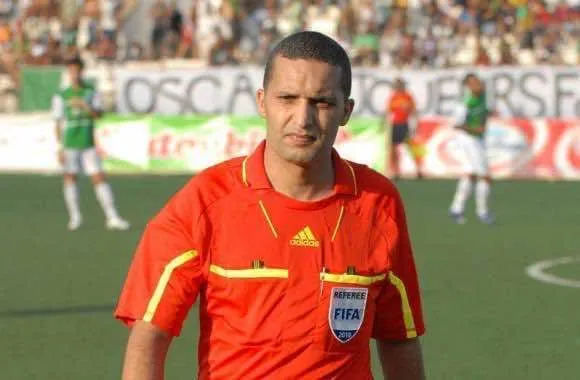
The match itself, featuring Olympic Safi, desperate to escape the relegation zone, and FUS Rabat, who found themselves temporarily at the top of the standings, ended not only with a significant scoreline but also a torrent of protests and criticisms directed at the officiating. Referee Monsif Zain Al-Ali's decisions during the game have been viewed by officials and players from both teams as having a direct impact on the outcome of the match.
Notably, the match witnessed an extraordinary number of disciplinary actions, with a total of 12 yellow cards and three red cards issued, primarily to players of Olympic Safi. This statistic underscores the tension that permeated the game, characterized by numerous fouls and confrontations among players. Although high-pressure situations can often lead to challenging environments for referees, the volume of complaints following this match has reignited long-standing questions about the quality of refereeing in Morocco and the national refereeing department's ability to manage crucial matches effectively.
Observers of Moroccan football suggest that the issue now transcends isolated officiating errors or debatable judgment calls; it has become a matter of the overall integrity of the refereeing system. The department seems to find itself enveloped in a cycle of protests and accusations, almost every round of matches bringing new controversies.
Given the critical nature of the current league phase, any officiating decision is subjected to close scrutiny, as these choices can significantly affect a team's future, whether in the title race or the struggle for survival. This reality places additional pressure on the national refereeing department to enhance their training, evaluation, and communication with the sports public.
While some argue that the referee applied the rules correctly in a uniquely tense match, others contend that certain decisions exacerbated the already heated atmosphere on the field. What remains clear is that the Olympic Safi versus FUS Rabat match has reopened discussions about Moroccan officiating in a very public manner, presenting Ridwan Jid's department with a fresh challenge: to restore the trust of clubs and fans in the fairness of competitive football.
In a league where minor details can determine outcomes, the role of officiating extends beyond merely being a supporting element; it often becomes a decisive factor in shaping the fate of an entire season. This explains the ongoing debate that persists long after the final whistle.
As reported by hibazoom.com.