
Revamping Debt Collection Framework: A National Priority
The Minister of Justice has underscored that reforming the banking debt collection system is a strategic initiative directly linked to enhancing the business environment and supporting the national economy. This is particularly relevant given the adverse effects of bad debts on financing businesses. He elaborated that this reform is founded on a comprehensive approach that relies on a thorough diagnosis of issues while achieving a balance between economic efficiency and the safeguarding of rights.
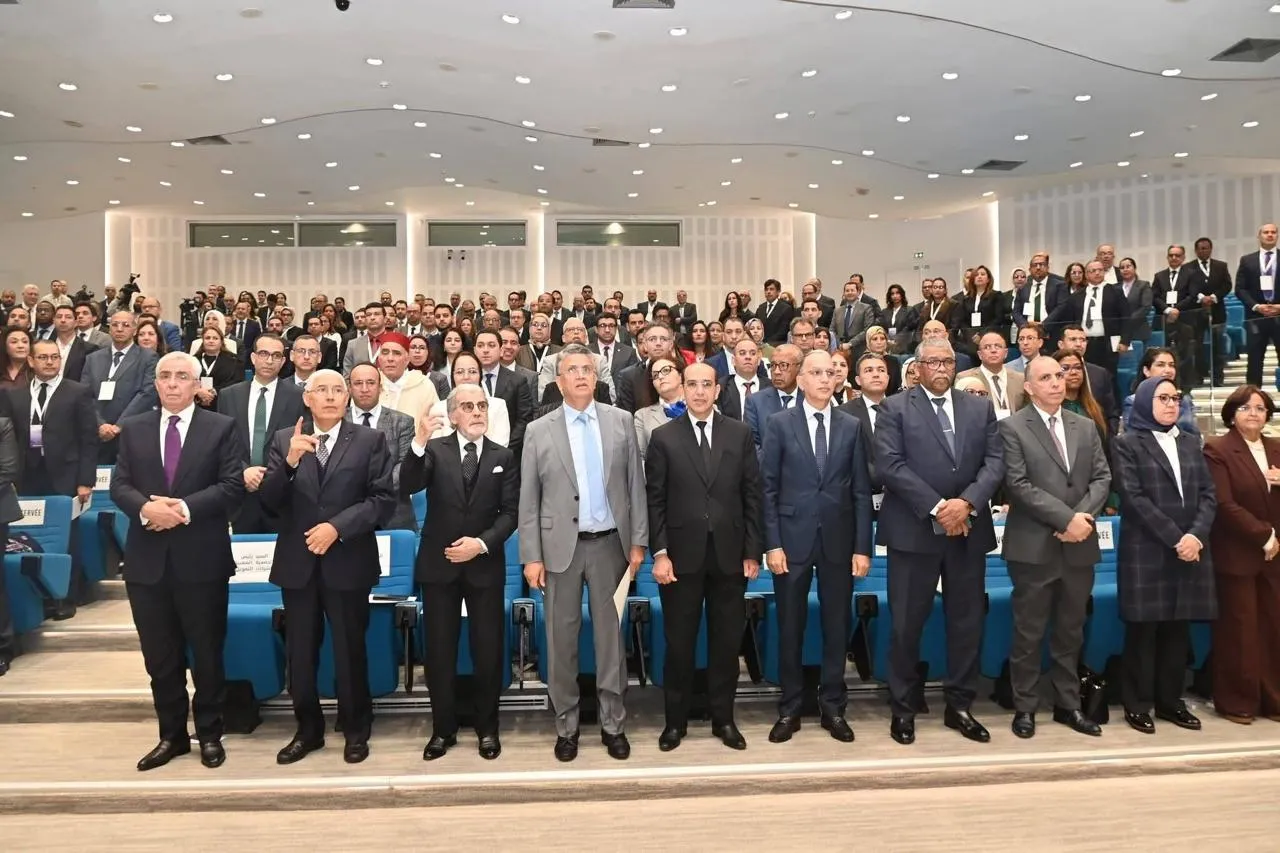
This statement was made during a national conference held in partnership with Bank Al-Maghrib on Tuesday, March 24, 2025, in Rabat, titled “Efficiency of the Legal Framework for Collecting Bad Debts: Practical Challenges and Development Prospects.” The event was attended by the President of the Public Prosecution, the Governor of Bank Al-Maghrib, various ministry officials, and notable figures.
Modernizing Legal Frameworks and Promoting Alternative Dispute Resolution
In the context of updating the system, the Minister indicated that the ministry is actively working to enhance the legal framework related to debt collection, particularly through the Civil Procedure Law project. The objective is to simplify procedures and improve the efficiency of notifications and enforcement. Additionally, the incorporation of digitization as a fundamental lever for modernizing justice and enhancing transparency is a key focus.
The ministry is also aiming to develop alternative mechanisms for dispute resolution by encouraging amicable solutions, which would alleviate pressure on the courts and expedite case resolutions, especially in the banking and financial sectors while aligning with international standards.
Furthermore, the Minister highlighted the significance of engaging credit institutions in this initiative by introducing digital initiatives to exchange data with the courts, thereby contributing to a swifter procedural pace. He emphasized the necessity of adopting actionable recommendations supported by mechanisms for monitoring and evaluation to ensure tangible results and the sustainability of the reform.
As reported by bayanemarrakech.com.