
Adapting to Tomorrow's Risks in the Insurance Sector
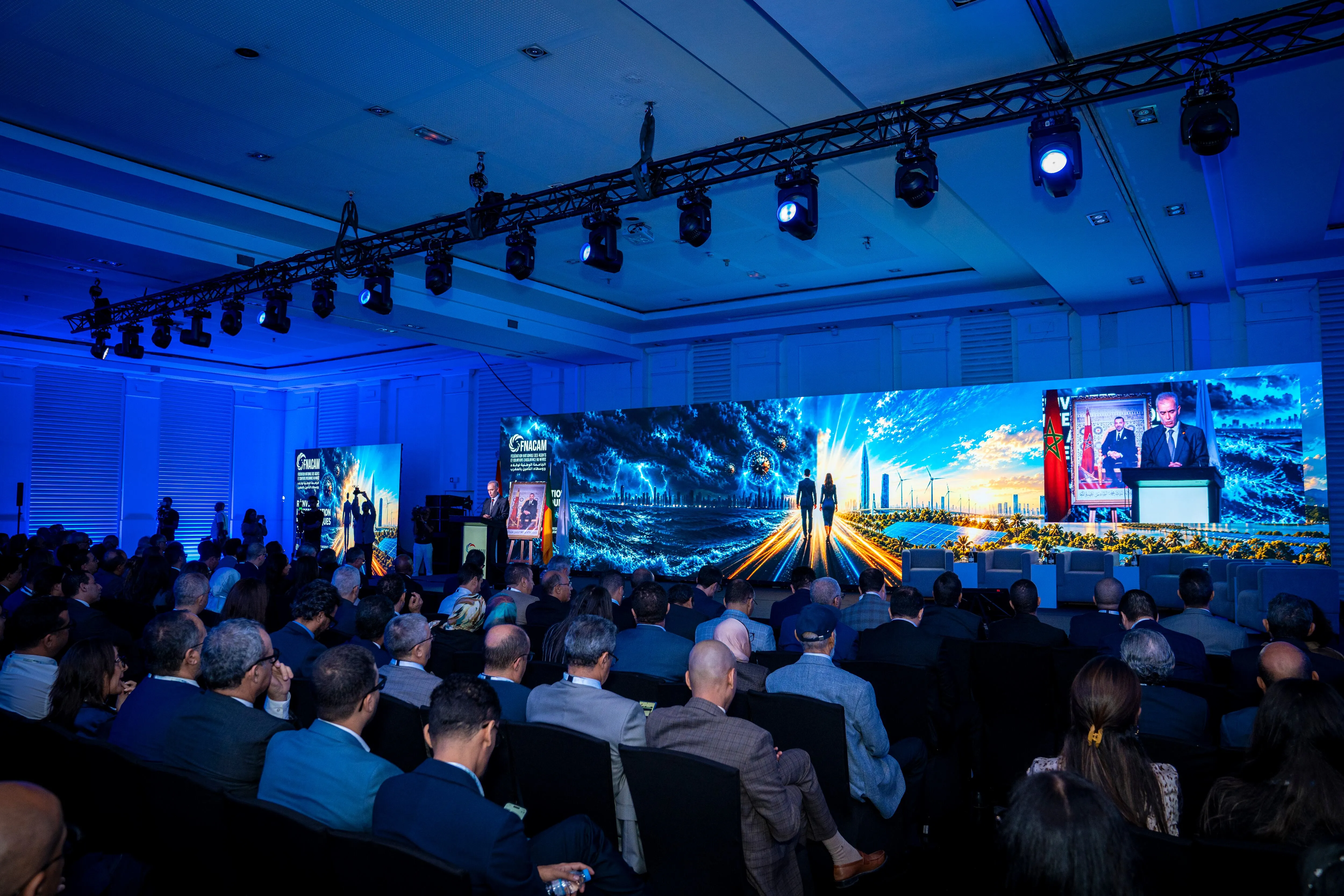
During the 10th Annual Meeting of the National Federation of Insurance Agents and Brokers in Morocco (FNACAM), President Farid Bensaid emphasized the necessity for humility among intermediaries, urging them to reevaluate their practices before it becomes too late. The gathering focused on the theme of reinventing intermediation in light of future risks, reflecting the evolving landscape of the insurance industry.
On the topic of artificial intelligence (AI), Bensaid expressed a straightforward perspective. He acknowledged that while AI can serve as a valuable tool for enhancing productivity, it also poses a significant risk, particularly regarding repetitive tasks that may eventually be automated. His key takeaway was clear: the insurance sector must prepare to leverage AI as a work tool rather than viewing it solely as a threat.
Bachir Baddou, the Deputy President of the Moroccan Insurance Federation (FMA) and General Director of CAT Assurance and Reinsurance, highlighted a critical risk arising from the introduction of new players between intermediaries and their clients. He cautioned that the greatest challenge might come from a scenario where a consumer consults an AI system for insurance advice before even reaching out to a traditional insurer. This evolving consumer behavior underscores the need for intermediaries to adapt to the changing dynamics of client interaction.
The Role of Intermediaries in an AI-Driven Market
Stéphane Favaretto, co-founder and CEO of Minalea, warned against the potential pitfalls of clients consulting AI for insurance queries. He noted that this reliance can create a false sense of expertise and confidence among customers, reinforcing the crucial role intermediaries play in providing tailored advice rather than mere information. The essence of consultancy lies in understanding and addressing specific client needs, which AI alone cannot fulfill.
Despite the challenges posed by AI, Baddou reassured that the profession would not disappear but rather evolve, with competition shifting among professionals. He pointed out that the most formidable competitors will be those agents or brokers who effectively integrate AI into their practices.
However, the current focus on administrative tasks significantly detracts from the time available for client engagement. Gilles Fromageot, General Director of AXA Africa Transatlantic, acknowledged that excessive time spent on administrative duties hampers essential activities like client prospecting and follow-ups. Hamid Mosleh, President of the FNACAM's Northern Regional Section, illustrated the struggle with bureaucracy in Morocco's insurance sector, emphasizing the need for a transition from paper-based processes to digital solutions.
Encouragingly, there are initiatives underway aimed at modernizing the sector. Mohamed Hassan Bensalah, President of the FMA, mentioned two significant developments: the pilot phase of a QR code insurance certificate and plans to eliminate physical documentation by July 2027. He asserted that the time saved through these innovations should be redirected toward client engagement and business development, shaping the future intermediary's role.
Yet, as the industry transforms, economic viability remains a pressing concern. Mosleh pointed out that while intermediaries are expected to provide free advice, their compensation has not kept pace with increasing responsibilities. He argued for a more equitable partnership with insurance companies, suggesting that intermediaries should benefit from reduced claims through effective consultancy and risk management.
Consultant Philippe Rocard noted that commission rates for intermediaries in Morocco have stagnated for years, contrasting with international trends where commissions are decreasing but compensated through performance-based remuneration. Furthermore, the financial implications of implementing AI tools are often overlooked, with Patrick Raffort, founder of the Federation of Guarantees and Affinity Insurance (FG2A), warning that the costs associated with AI could jeopardize many businesses.
Despite these challenges, participants at the meeting underscored the paramount importance of human relationships in the insurance sector. Mohamed Hassan Bensalah aptly summarized the sentiment by stating, "Let us not make the mistake of thinking that technology will replace trust." As the landscape continues to evolve, intermediaries must proactively address the pressing question posed by Mahaman Nasser Yahaya, General Director of ARIA Benin: "What do you do for me between renewals?" This question encapsulates the imperative for intermediaries to redefine their value proposition and maintain relevance in an increasingly automated world.
As reported by fr.le360.ma.