
Understanding the Migration Challenge: Beyond Conventional Solutions
Irregular migration between Morocco and the European Union presents a complex challenge that cannot be addressed through mere deterrence or isolated financial solutions. In response to this pressing issue, we advocate for the establishment of a Diaspora Fund for Moroccans Abroad (MDM). This innovative financial instrument draws inspiration from the pioneering work of Dr. Anis H. Bajrektarevic on the concept of a "Diaspora Hedge Fund," rooted in his extensive experience at the International Centre for Migration Policy Development (ICMPD) in Vienna during the 1990s. The crux of this proposal lies in recognizing migration not merely as a movement of individuals but as a dynamic exchange of capital, knowledge, and opportunities, necessitating a holistic approach that aligns the interests of Morocco's youth, the Kingdom's strategic goals, and Europe's economic and security requirements. Absent a shared framework connecting these three agendas, any migration agreement—including the proposed diaspora fund—will remain precarious and vulnerable to the whims of future diplomatic tensions.
Reassessing Past Approaches: The Need for a Paradigm Shift
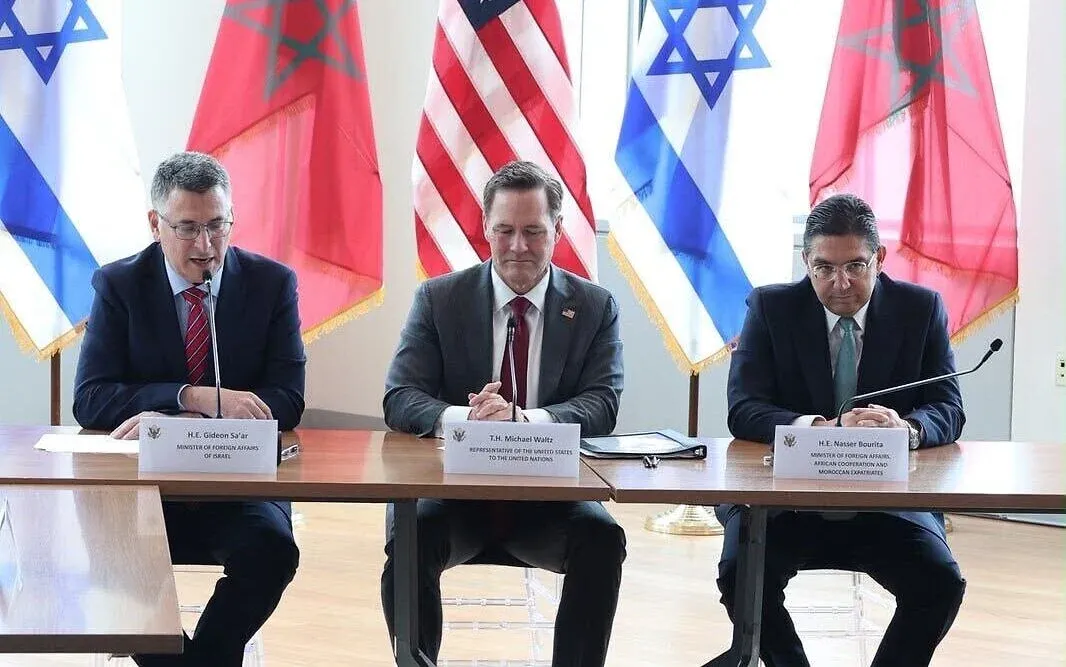
The Euro-Moroccan migration policy has historically adopted a security-centric approach, with the European Union committing substantial resources—over €215 million from 2001 to 2019—to bolster Morocco's border security initiatives. This funding has only intensified, with an additional €140 million allocated in 2018 alone, including €222 million pledged for the period from 2021 to 2024. However, this method addresses only the symptoms of migration rather than its root causes, leading to rising tensions, as articulated by Morocco's Foreign Minister, Nasser Bourita, who has consistently rejected the notion of Morocco serving as Europe’s outsourced border guard. Concurrently, traditional development initiatives have often overlooked critical geographic targeting and local governance, resulting in a mere 10% contribution from diaspora investments to the national private sector, a situation condemned by King Mohammed VI himself. Despite remittances surpassing $11.7 billion in 2024—equating to over 8% of Morocco's GDP—there remains a significant disconnect between the capital flow and local economic development. This gap warrants thorough investigation across different regions before being presented as an established fact in the Moroccan context.
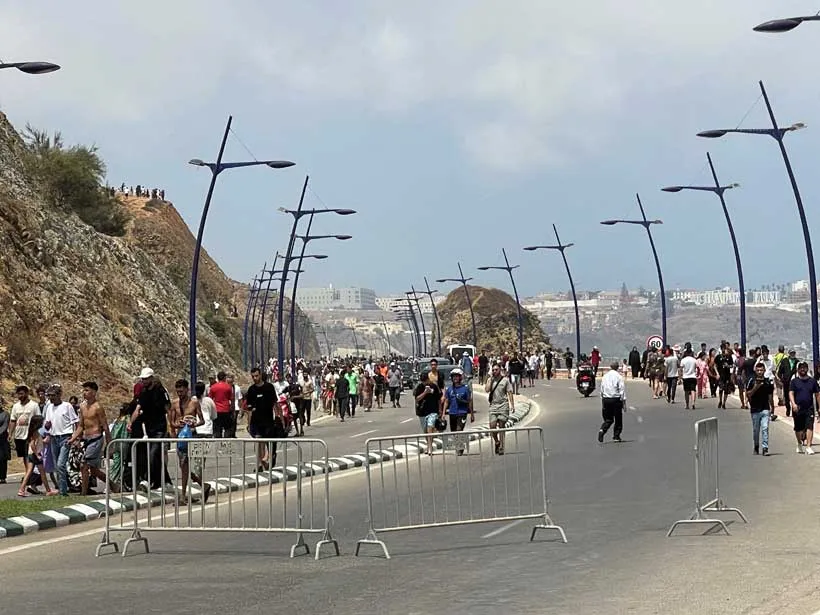
Moreover, the recent migration crises in Ceuta illustrate the inadequacies of a singularly focused approach. The influx of migrants during diplomatic tensions between Spain and Morocco highlights the multifaceted nature of migration, underscoring the necessity for a comprehensive understanding of the geopolitical, social, and economic factors at play. The crises reveal that no single actor can be blamed; rather, a collective failure to manage the situation effectively has emerged, necessitating a shift towards shared governance that recognizes the complex nature of migration.
To address the challenges facing Morocco’s youth and mitigate irregular migration, it is imperative to implement a multi-faceted strategy that goes beyond reliance on diaspora contributions. Morocco is not a nation embroiled in war or severe internal strife; it is a stable country grappling with a high youth unemployment rate of 38.4% among those aged 15 to 24. This stark reality necessitates targeted investment in the regions most affected by emigration, fostering industrial development and creating job opportunities that align with the aspirations of the youth. Acknowledging the integral role of the diaspora in this transformation, initiatives should focus on mobilizing skills and fostering mentorship through structured return programs for professionals, while simultaneously reforming the connection between education and employment to ensure that the qualifications produced meet market demands.
In conclusion, the establishment of a Diaspora Fund for Moroccans Abroad (MDM) represents a crucial step towards fostering sustainable economic development in Morocco while simultaneously addressing the migration phenomenon. This fund should be designed to channel diaspora capital into productive investments in the regions of origin identified, ensuring that the benefits of migration are recognized and utilized effectively. By prioritizing targeted investments, acknowledging Morocco’s strategic interests, and fostering a genuine partnership with Europe, we can pave the way for a more robust and sustainable migration framework that ultimately benefits all stakeholders involved.
As reported by moderndiplomacy.eu.