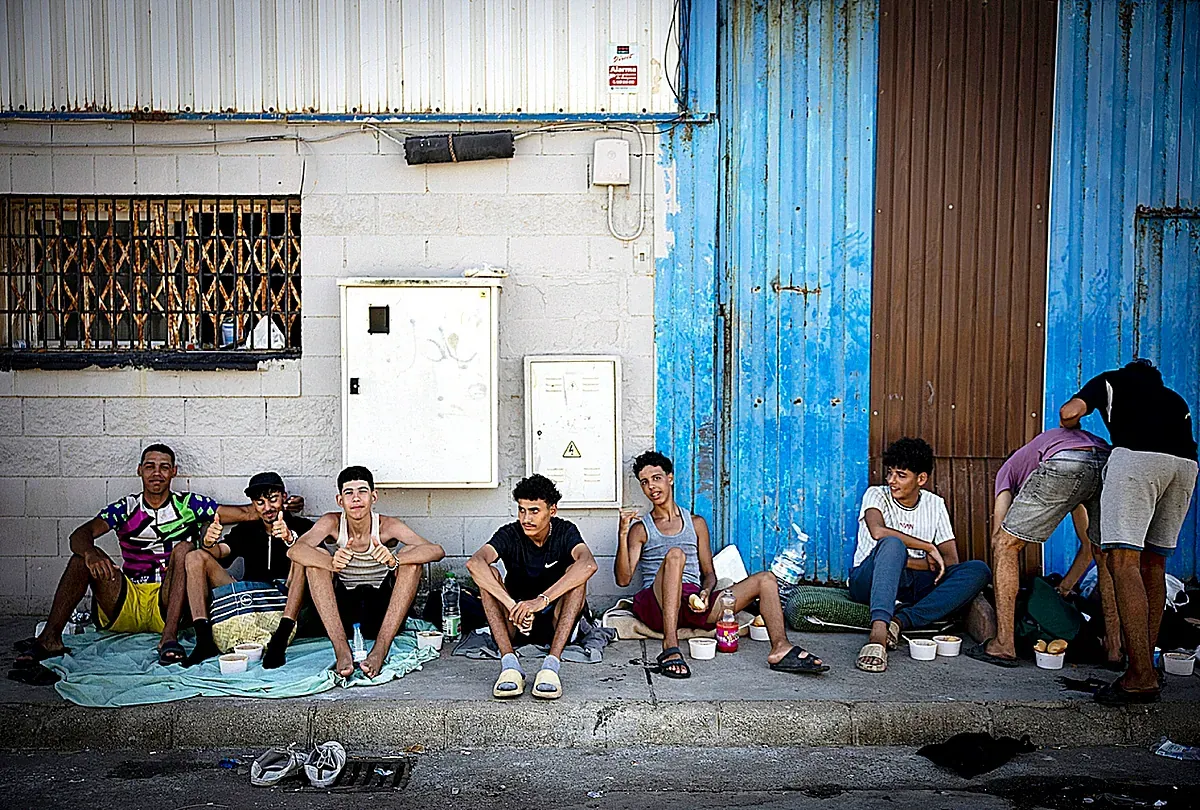

Mass Return of Migrants from Ceuta to Morocco
In a significant shift amidst ongoing migratory pressures, over 48,000 migrants have begun their return to Morocco following an unprecedented influx into Ceuta, a Spanish enclave located on the northern coast of Africa. This surge, recognized as one of the largest in recent European history, has not only overwhelmed the local resources but has also ignited a humanitarian crisis, prompting a swift military and governmental response from both Spanish and Moroccan authorities. The chaos that ensued as migrants sought to cross the heavily fortified borders has raised critical questions about the management of migration and the political ramifications on both sides of the Strait of Gibraltar.
The recent events in Ceuta have spotlighted the challenges faced by migrants who, driven by desperation and hopes for a better future, often take perilous journeys. The aftermath of this mass crossing has seen many individuals expressing feelings of disillusionment, with some reporting a lack of opportunities and support once they arrived in Ceuta. As the situation continues to develop, the return of these migrants is indicative of the pressing need for coordinated response strategies that address not only border security but also the humanitarian aspects of migration.
Coordinated Response to Address the Crisis
In light of the crisis, both Spain and Morocco are now cooperating to manage the situation effectively. The military presence in Ceuta has been reinforced, not only to ensure the safety of the local population but also to assist in the orderly return of migrants. This collaboration aims to provide a sustainable framework that can prevent future surges while addressing the humanitarian needs of those affected. The complexities of migration are further compounded by political dynamics, as both nations navigate the pressures from local populations and international observers.
The situation in Ceuta serves as a stark reminder of the ongoing migration challenges faced by Europe and its neighboring regions. As authorities work to implement solutions, the stories of the individuals involved reflect broader socio-economic issues that require comprehensive and empathetic approaches. Moving forward, it is crucial for policymakers to consider both the immediate needs and the long-term implications of migration policies.
As reported by youtube.com.