
National Agency Launches International Tender for Fes Sports Complex Rehabilitation
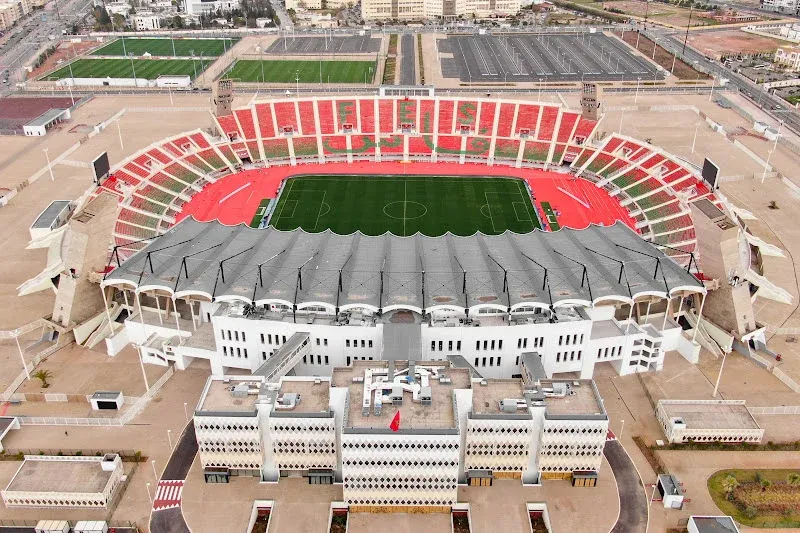
The National Agency for Public Equipment has recently initiated an international tender for the rehabilitation of the Fes sports complex, with a budget of 2.816 billion dirhams. This initiative is part of Morocco's preparations for the 2030 FIFA World Cup, which will be co-hosted by Morocco, Spain, and Portugal. The tender outlines that the design and execution of the rehabilitation project must adhere to strict sustainability standards established by FIFA. The goal is not only to create infrastructure that meets the needs of a major sporting event but also to contribute positively to environmental preservation and improve the quality of life for local residents.
The project encompasses a set of general sustainability criteria that must be considered throughout the design, construction, and operational phases in accordance with international standards. These criteria aim to minimize the environmental impact of the sports infrastructure while maximizing the social and economic benefits for the city and its inhabitants. Ambitious environmental requirements are integral to the project, with the Fes sports complex aspiring to achieve a “High Environmental Quality Sustainable Infrastructure” certification.
Comprehensive Environmental Approach and Performance Obligations
This holistic environmental approach covers various project phases and focuses specifically on eco-friendly design, biodiversity conservation, sustainable resource management, and ensuring user comfort and accessibility to essential facilities. Participating companies will be mandated to fulfill commitments regarding environmental performance outcomes. This includes appointing a qualified environmental certification officer and providing the necessary human and technical resources to monitor environmental requirements and ensure successful acquisition of the certification.
Additionally, construction activities must proceed in accordance with a low-disruption charter that entails preparing a plan for erosion and sediment management, devising a waste management strategy, and developing an air quality management plan. The project anticipates achieving at least a 30% reduction in energy consumption compared to standard designs, primarily through the use of energy-efficient lighting, high-performance air conditioning systems, and improved thermal insulation. Moreover, it aims to generate between 5% and 10% of its electricity from renewable sources and install a centralized building management system to monitor and optimize energy usage.
Water consumption is also targeted for reduction by at least 40%, achieved through water-saving fixtures, rainwater harvesting for irrigation, and enhanced stormwater drainage systems. In terms of carbon footprint, the project prioritizes the use of low-carbon materials, such as low-carbon concrete and recycled reinforcement steel, while relying on local sources to minimize transportation emissions. It embodies a circular economy approach by sorting, reusing, recovering, and recycling waste materials.
Preserving biodiversity and ensuring the complex is harmoniously integrated into the urban environment are key objectives of the project. This includes enhancing the site’s natural features and improving access via public transport, pedestrian pathways, and cycling routes. The project also stipulates requirements for environmental comfort, indoor air quality, and sound quality, alongside modern facilities for visitors, athletes, and staff. It incorporates resilience against natural and climatic risks, particularly through the design of structures capable of withstanding high winds and complying with Moroccan seismic resistance standards.
The rehabilitation of the Fes sports complex aims to provide world-class infrastructure in preparation for major international sporting events, notably the 2030 FIFA World Cup, which Morocco will host in collaboration with Spain and Portugal.
As reported by hespress.com.