Revolutionizing Breast Cancer Treatment: Insights from ESMO 2025
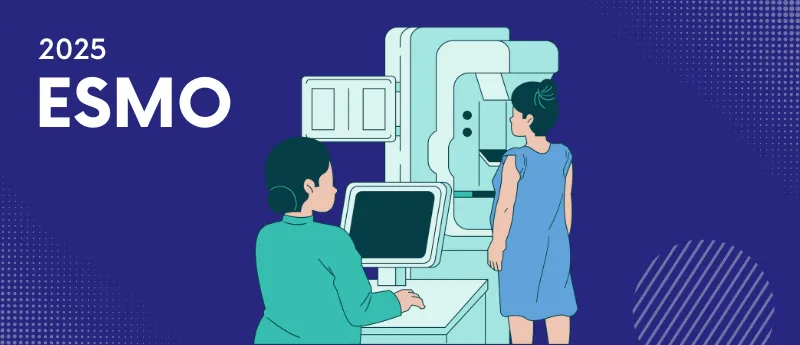
The ESMO 2025 Congress has emerged as a pivotal event in the oncology calendar, showcasing groundbreaking advancements that are poised to redefine management strategies for breast cancer across all subtypes. Notably, the conference highlighted significant findings that promise to alter the treatment landscape, particularly for high-risk hormone receptor-positive (HR+)/HER2-negative early breast cancer, where the introduction of an adjuvant CDK4/6 inhibitor has demonstrated a tangible overall survival benefit. Such advancements are not mere incremental changes; they represent a paradigm shift that could enhance patient outcomes dramatically.
Another focal point of the congress was the establishment of T-DXd (trastuzumab deruxtecan) as a standard treatment for high-risk HER2-positive breast cancer. This innovative therapy, characterized by its unique antibody-drug conjugate mechanism, has redefined first-line therapy for metastatic triple-negative breast cancer (TNBC), demonstrating effectiveness in previously hard-to-treat cases. These findings underscore a broader trend within oncology towards more personalized and targeted treatment approaches, which are increasingly being informed by comprehensive next-generation sequencing (NGS) profiles. Updated guidelines now advocate for extensive NGS profiling to identify alterations in key genes such as PALB2, AKT1, and PTEN, emphasizing the importance of biomarker-driven strategies in clinical decision-making.
Despite these promising advancements, the congress also raised critical discussions around the ethical implications of new therapies, particularly regarding their cost, accessibility, and the equitable distribution of benefits among patients. As the field moves towards more sophisticated treatments, there is a pressing need to ensure that such advancements do not exacerbate existing disparities in healthcare access. The emphasis on biomarker-driven de-escalation of treatment protocols reflects a growing recognition of the necessity for strategies that are not only effective but also economically viable and socially equitable.
In summary, the insights shared at ESMO 2025 represent a beacon of hope for breast cancer patients and healthcare professionals alike, offering a glimpse into a future where treatment is more tailored, effective, and accessible. As we navigate the complexities of integrating these new therapies into clinical practice, the ongoing dialogue surrounding their societal implications will be crucial in shaping a healthcare landscape that truly benefits all.
As reported by oncology-central.com.