
Strategic Electoral Reforms in Morocco
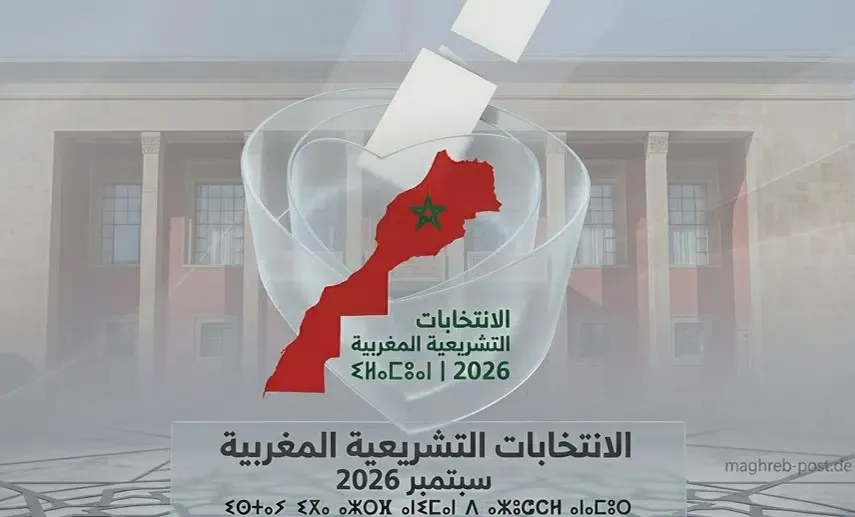
As Morocco approaches its parliamentary elections scheduled for September 23, the Ministry of the Interior has introduced significant amendments to the national electoral system. These reforms specifically target four demographic groups that have historically been underrepresented in the legislature: young adults under 35, women, individuals with disabilities, and Moroccans residing abroad (MRE). The timing of these changes coincides with the onset of the election campaign, as reported by the state news agency MAP, and aims to enhance the inclusion of these groups within parliamentary institutions while simultaneously reducing barriers to political participation.
The new regulations encompass three primary adjustments: state funding for electoral campaigns, quota requirements, and procedural simplifications. At the heart of these reforms is a notable reduction in campaign costs for political parties and candidates. The government will now cover up to 75% of expenses for candidate lists that adhere to the principle of parity and include candidates under the age of 35, capped at a maximum of 500,000 Moroccan Dirhams (approximately €46,000) per candidate. To further encourage the renewal of party candidates, the annual state funding for political parties will increase significantly. If a party secures seats in local constituencies with young candidates, individuals with disabilities, or representatives from the diaspora, the government bonus for the mandate will multiply from five to six times the base rate. Additionally, the maximum age for sponsored top candidates on regional and local lists has been lowered from 40 to 35 years.
In parallel, bureaucratic processes have been streamlined. Independent candidates under the age of 35 are no longer required to submit signatures from officials to gain approval; endorsement from regular voters is now sufficient. For new party formations, stricter quotas have been implemented: out of the mandatory 2,000 founding members, at least 400 must be under 35, and at least 400 must be women. Furthermore, the leadership committee responsible for drafting the constitution must now include at least four women. Certain previously mixed regional constituencies will also be partially reserved exclusively for female candidates, ensuring that any vacant mandates in subsequent elections are filled by women.
The Implications of Electoral Changes
The timing of these regulations underscores a politically strategic calculation. Despite Morocco having a predominantly young population, it has faced persistent issues of political apathy among young adults. These reforms represent an attempt to respond to social pressures, invigorate party competition, and enhance the legitimacy of parliamentary institutions. Concurrently, Rabat is signaling its readiness for reform to international partners and investors. By linking material support with the reduction of bureaucratic obstacles, the government aims to create more favorable initial conditions for participation. However, the sustainability of this engagement will ultimately depend on developments elsewhere.
Crucially, the effectiveness of these reforms hinges not merely on the legal text but on their implementation within party structures. Party leadership remains a critical bottleneck in the system, as they decide who occupies favorable candidacy positions and who remains relegated to symbolic roles. Political scientist Karima Gharrad emphasizes that the new mechanisms serve as a test for the willingness of parties to ensure genuine representation for women and young talents in parliament. She warns that merely increasing the numerical representation of mandates without access to real leadership roles will have little impact on actual power dynamics.
Financial support and quotas may facilitate candidacies, but they cannot replace established networks, media presence, or organizational structures. Parties that place young candidates only in low-profile positions to benefit from state funding will undermine the impact of these reforms. Conversely, the new rules provide an opportunity for reform-minded forces to establish themselves as innovators among young voters. In the medium term, three key developments can be anticipated: whether the reforms will mark a turning point or simply serve as an alibi will become evident in the weeks following September 23. Observers should pay close attention to three signals: the actual occupancy of promising candidacy positions, the prompt and transparent disbursement of funds by the auditing office, and the evolution of voter turnout among the younger generation.
As reported by maghreb-post.de.