Increasing Incidents of Child Disappearances Raise Alarm in Morocco
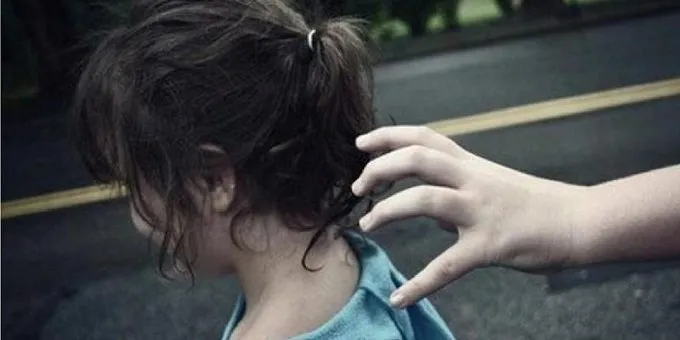
In recent weeks, Morocco has witnessed a troubling surge in child disappearances, igniting widespread concern across various cities in the nation. The alarming incidents, which have been extensively shared on social media platforms, have left families questioning the safety of the environments where their children spend their daily lives. From the mysterious disappearance of two-year-old Sundus in the "Krinseef" neighborhood of Chefchaouen, to the case of one-year-old Younes who vanished in the Zagora region, and an attempted abduction of a child in Sidi Ifni, these events have reignited discussions regarding the effectiveness of child protection systems within the kingdom.
Many human rights advocates assert that safeguarding children is a collective responsibility, shared among families, schools, law enforcement agencies, judicial institutions, civil society, and the media. This collaborative effort is essential for identifying and mitigating risks before they escalate, as well as fostering community vigilance towards any suspicious behavior or cases of disappearance.
In this context, Najat Anwar, president of the organization "Matqiish Waladi" (Don't Touch My Child), emphasized that the cases circulating on social media genuinely reflect the valid concerns of families. However, she also stressed the importance of approaching these situations with caution. In an interview with "The Voice of Morocco," Anwar pointed out that the lack of accurate official statistics often complicates the distinction between genuine cases and those that may be exaggerated or disseminated without adequate verification. She noted, "The disappearance of even one child is sufficient to sound the alarm and enhance community awareness."
Moreover, Anwar highlighted that Morocco possesses a significant legal framework that criminalizes abuses, sexual exploitation, and child trafficking. Nevertheless, she remarked that the challenge does not merely lie in the existence of legal texts, but rather in the efficiency of monitoring, rapid response, and coordination among the various stakeholders involved.
Regarding preventative measures, Anwar underscored the crucial role that schools and media play in educating children about the risks of grooming, both in public spaces and online. She urged for the integration of comprehensive safety curricula in educational institutions to equip children with the knowledge necessary to protect themselves in various scenarios.
As reported by thevoice.ma.