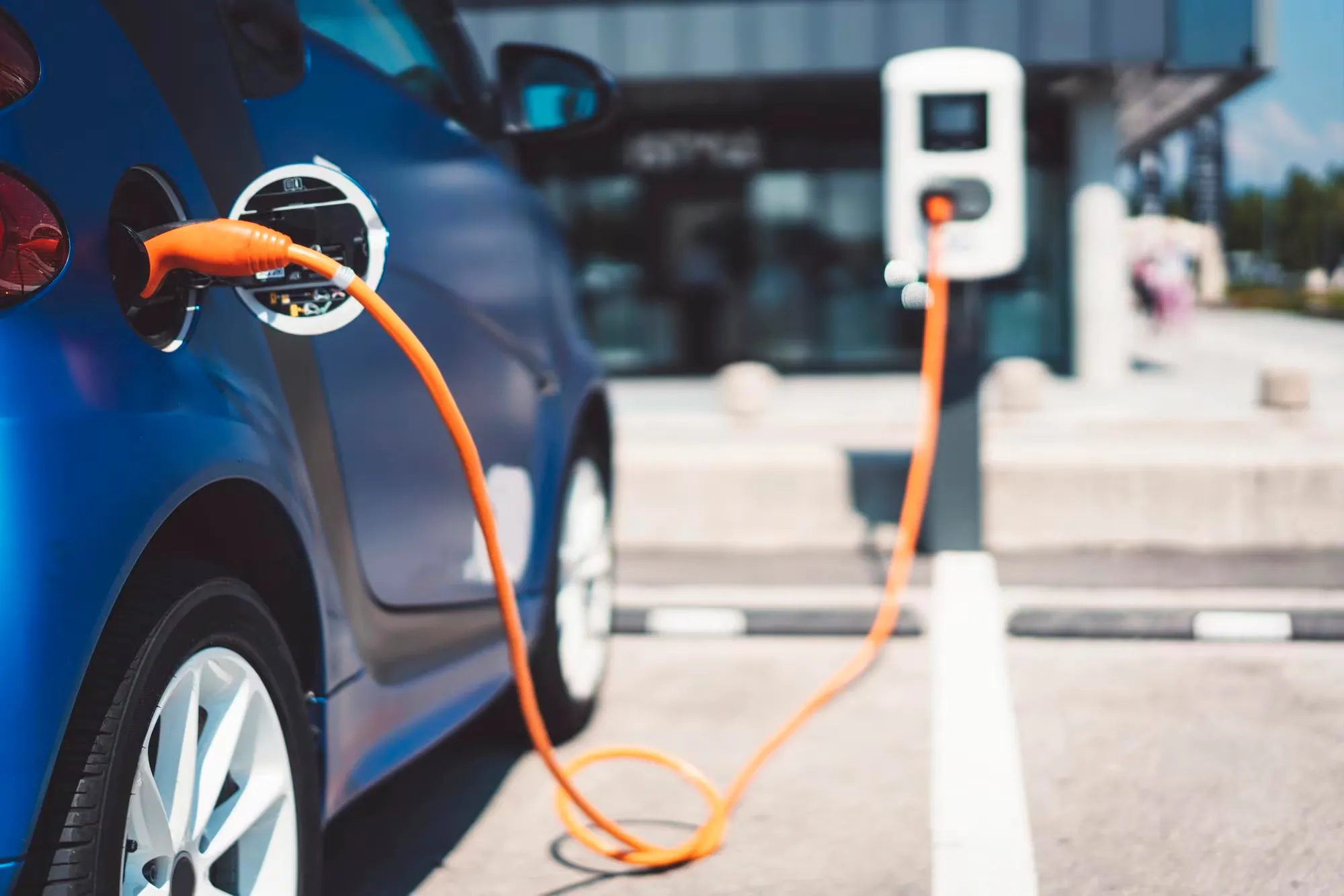

Soaring Diesel Prices and the Shift Towards Electric Vehicles
The price of diesel in Morocco has once again approached 15 dirhams per liter, currently standing at around 14.99 DH following a recent increase of 6 cents as of September 1. As a result, drivers are witnessing a significant rise in their fuel expenditure. For instance, a car that consumes 7 liters per 100 kilometers now costs nearly 105 DH to travel that distance, which translates to approximately 735 DH for 1,000 kilometers. In this context, the electric vehicle market stands to gain considerable momentum, as cars that do not rely on diesel or gasoline become increasingly appealing amid rising fuel prices. The cost differential becomes significant over equivalent distances, prompting consumers to reconsider their vehicle choices.
According to Adil Bennani, President of the Association of Vehicle Importers in Morocco (AIVAM), the potential savings from switching to electric vehicles could reach up to two-thirds. "In fact, today, for the same mileage, consumers can save two-thirds of their budget, even up to 70% when comparing diesel vehicles to electric ones," he asserts. This means that what costs around 1,000 DH in fuel monthly could drop to about 300 DH with a comparable electric vehicle, although this estimate only accounts for energy costs and does not include purchase price, insurance, or maintenance.
Challenges in the Electric Vehicle Market
Despite the attractiveness of electric vehicles, the Moroccan market has yet to fully embrace a 100% electric transition. Data from AIVAM indicates that by the end of July, electrified vehicles comprised 17% of total sales for personal cars, a rise from 10.5% the previous year, with 22,963 electrified vehicles registered in the first seven months of the year—an impressive growth of 86.3%. However, fully electric vehicles remain a small fraction of the market, with only 1,213 electric cars and 1,402 plug-in hybrid vehicles registered, collectively accounting for just 1.9% of personal vehicle sales.
Bennani points out that while technological advancements have significantly improved the reliability and competitiveness of electric vehicles, consumer anxiety regarding charging capabilities remains a primary barrier to widespread adoption. Many potential buyers, especially those living in apartments or relying on street parking, are concerned about the convenience of charging their vehicles, particularly during intercity travel. "On a technological level, consumers are increasingly aware that electric vehicles function well, but the real issue today is range anxiety—consumers repeatedly ask, 'Yes, but where will I recharge my vehicle?'" he explains.
Currently, Morocco has around 150 public fast-charging stations, while over 1,500 would be necessary to truly accelerate the electrification of its vehicle fleet. Bennani emphasizes the need not only to increase the number of charging stations but also to enhance their power output to reduce waiting times. Addressing these challenges also involves considering the capacity of the electrical grid, which may struggle to meet the demands of multiple rapid chargers operating simultaneously.
In conclusion, while Morocco possesses several advantages for expediting the expansion of its electric vehicle infrastructure—such as a well-structured highway system and relatively short distances between major cities—there remains a pressing need to create conditions that encourage private investment. Bennani suggests that with a supportive regulatory framework, the transition to electric vehicles could occur swiftly, with significant improvements possible within 18 months. As reported by fr.le360.ma.