
EU Calls for Swift Action on Ceuta Migration Issues
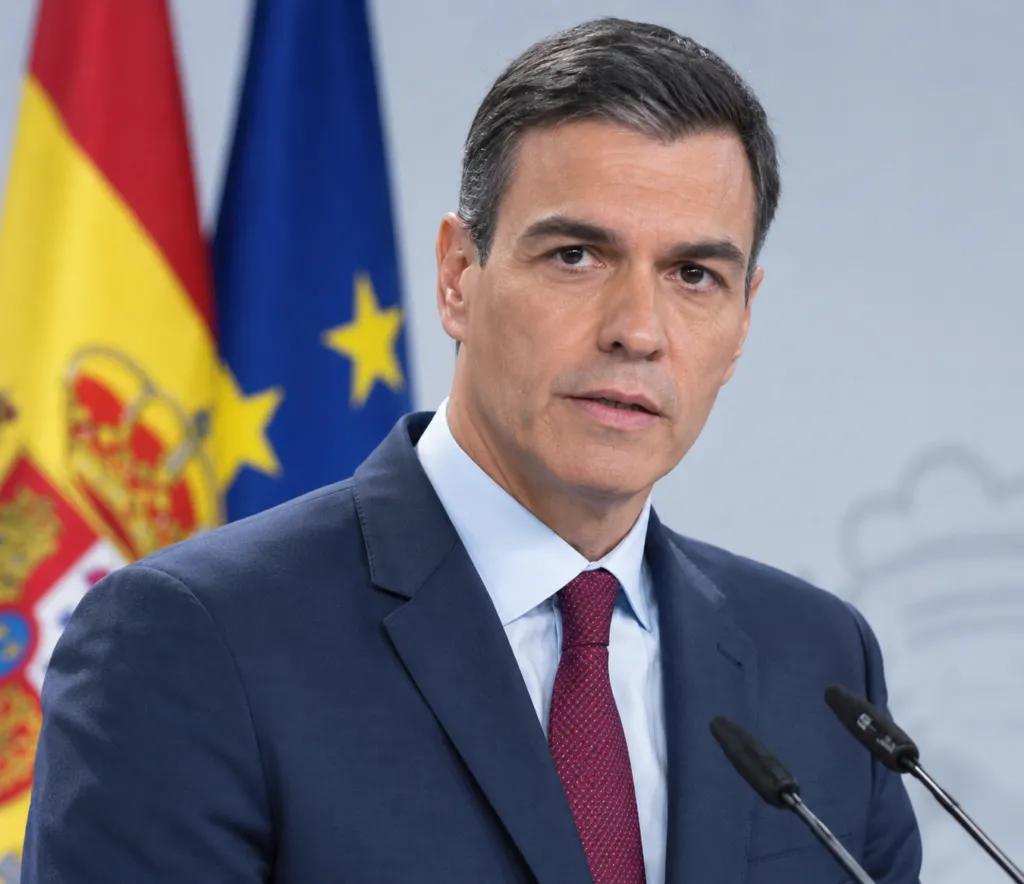
The ongoing migration crisis in Ceuta has escalated to a point where it is now drawing significant attention and pressure from the European level towards the Spanish government. The European Commission has made it clear that Prime Minister Pedro Sánchez must urgently address the escalating situation in the Spanish exclave located on the North African coast. EU Migration Commissioner Magnus Brunner emphasized during a session at the European Parliament that individuals who have illegally entered Ceuta must be swiftly returned to their countries of origin. Additionally, he stated that Morocco needs to play a more proactive role in the repatriation process and in efforts to prevent further irregular migration.
This situation in Ceuta is evolving into a matter of European concern, as although it is situated on Spanish territory, its border with Morocco also represents an external boundary of the European Union. Brunner stressed that Spain must fully implement the European Migration and Asylum Pact, ensuring that those who do not qualify for residency in Spain are promptly returned.
Political Implications and Diverging Perspectives
The EU's demands have intensified political pressure on Sánchez. While the EU Commissioner speaks of an urgent need for solutions, the Spanish government has indicated a much longer timeline, suggesting that it will take until the end of 2026 to stabilize the situation in Ceuta. This matter is not merely a domestic issue for Spain; the Commission views it as a critical test of the EU's collective migration policy and the safeguarding of its external borders. Ceuta, presenting a unique case as it lies on African soil while remaining part of Spain and the European Union, is seen by Brunner as a 'stress test' for the EU.
Currently, the Commission does not believe that the functionality of the Schengen Area is fundamentally at risk. However, the situation illustrates the complexities involved in protecting European external borders, especially when a large number of individuals attempt to cross in a short span of time. Consequently, Brussels intends to engage the European Border and Coast Guard Agency, Frontex, more intensively in the matter.
Morocco plays a central role in the ongoing discussions. Without the cooperation and approval of Moroccan authorities, repatriation efforts would be challenging. Reports from the European Parliament indicate that Morocco has signaled its willingness to accept the return of individuals affected by the crisis, including unaccompanied minors and nationals from other countries. However, this commitment has sparked controversy, as not all European lawmakers have received confirmation of this agreement, leaving the actual implementation of repatriations uncertain.
Discrepancies also exist regarding the current numbers related to the crisis. The Spanish government estimates that several hundred to about 1,000 minors remain outside regular accommodations, while significantly higher estimates suggest that many more individuals are still present in Ceuta. These figures often refer to different groups and timeframes, complicating the political discourse surrounding the issue. It is essential to differentiate among the original arrivals in Ceuta, those still present, voluntary returnees, and unaccompanied minors, as these categories are not always clearly distinguished in political discussions.
Amid the crisis, the Spanish opposition has seized the opportunity to criticize the Sánchez government sharply. The conservative Partido Popular (PP) has described the government's handling of the situation as a significant failure, with MEP Dolors Montserrat labeling the events a form of 'hybrid warfare' and accusing Sánchez of inadequate response. The PP insists that the government must enhance border security and ensure the swift return of those without residency rights, viewing Brussels' demands as validation of their criticisms.
In contrast, the Social Democrats reject this narrative, with Iratxe García, the leader of the Social Democratic group in the European Parliament, emphasizing the European dimension of the crisis. Her message is clear: Ceuta is both Spain and Europe. The Social Democrats caution against politicizing the migration crisis for partisan disputes, advocating for a unified European approach and solidarity with affected regions. This division reflects differing political ideologies within the European Parliament, with conservatives prioritizing security and border protection, while social democrats emphasize shared responsibility and human rights protection.
Vox, an even more radical party, has reacted vehemently to the situation, with MEP Jorge Buxadé labeling it an 'invasion' and calling for a far tougher response from Spain and the EU. Their rhetoric starkly contrasts with the positions of both the EU Commission and the Spanish government and serves as a political stance rather than a pragmatic approach to the crisis.
Morocco, for its part, has denied accusations that its authorities have deliberately facilitated the mass movement of people to Ceuta, while reiterating its readiness to cooperate with Spain on migration and border security matters. This collaboration is critical for both parties; Spain relies on Moroccan cooperation to manage its southern border effectively, while Morocco plays a crucial role for the EU in controlling migration routes across the Western Mediterranean.
The discussions surrounding this crisis are expected to gain further significance in the coming days. Magnus Brunner has announced plans to travel to Madrid to engage with several members of the Spanish government about the situation, focusing on repatriations, collaboration with Morocco, and broader migration management. Thus, the Ceuta crisis has become a matter that extends beyond the confines of Madrid and Rabat, with Brussels insisting on a swift resolution and clarifying that the protection of Europe's external borders is a shared responsibility.
For Pedro Sánchez, this translates into increased political pressure. The Spanish government must now demonstrate how it intends to manage the return of individuals from Ceuta and address their legal status while simultaneously preventing a recurrence of similar migration crises at the Moroccan border.
As reported by spanienpress.com.