
Unveiling the Source of Discontent in Morocco
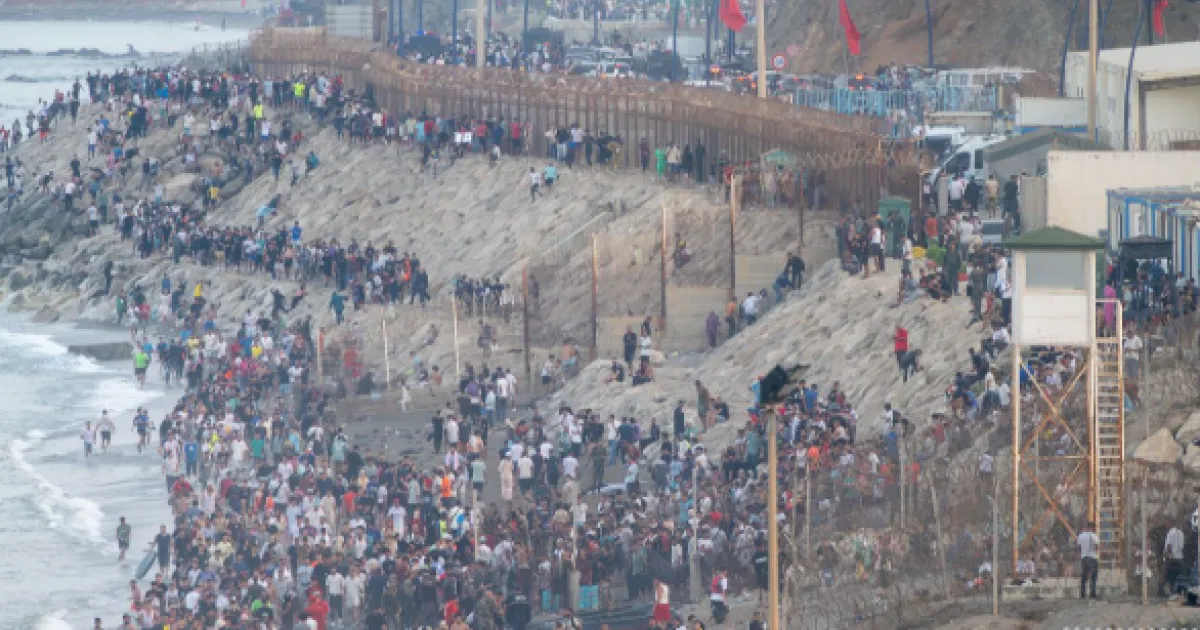
Recent reports from Spanish media have shed light on the escalating social discontent in Morocco, a situation exacerbated by the deteriorating conditions within the country, rampant corruption, and widespread poverty. These factors have driven tens of thousands of Moroccans to seek refuge in Ceuta, a Spanish enclave, towards the end of July. An investigation published by the Spanish Radio and Television (RTVE) reveals a growing sense of dissatisfaction among the Moroccan populace, rooted in the alarming economic and social circumstances prevailing in the kingdom. This unrest has coincided with a recent migration crisis in Ceuta, raising pressing questions about the future of the monarchy amidst surging public fury.
The investigation highlights the Ceuta crisis, marked by a significant influx of individuals to the city, which has once again brought to light the manifestations of social discontent in Morocco, particularly among the youth. This demographic is grappling with high unemployment rates, social inequalities, soaring inflation, and a conspicuous lack of job opportunities. The visuals from Ceuta, witnessed just a week ago, have effectively dismantled the narrative propagated by the monarchy for over a quarter of a century.
Moroccan investigative journalist Hicham Mansouri, currently in exile, articulated that the recent migration crisis has completely undermined the official narrative of the monarchy. He emphasized, "The images speak for themselves: children, the elderly, minors, and even infants found themselves facing this dire situation. This has obliterated all the propaganda disseminated by the regime through its media outlets." Mansouri noted that the government has exploited this tragic reality of its citizens to blackmail Spain; however, it appears that the situation has spiraled beyond the regime's control, leading to consequences it initially did not anticipate.
Public Demonstrations and Government Response
Moroccan historian and university professor, Maati Monjib, affirmed that the events in Ceuta represent a broad-based public expression against a highly corrupt socio-economic system, as well as against an elitist and authoritarian regime that holds the general populace in disdain. The investigation also addressed the wave of protests that have swept across Morocco in recent years, from the Hirak movement in the Rif region to various professional and youth protests, culminating in the uprising of the youth movement that emerged in September 2025. This movement has raised demands for improvements in the healthcare and education sectors, as well as calls to combat unemployment and corruption.
Furthermore, the report notes that Moroccan authorities have responded to these protests with a brutal crackdown, resulting in the arrest of thousands and the sentencing of over two thousand individuals, while numerous youth remain under judicial scrutiny. The investigation concluded with an analysis by economic expert Fouad Abd El-Mouni, who asserted that the mass exodus towards Ceuta at the end of last month stemmed from widespread popular discontent.
As reported by entv.dz.