
Morocco's Stance on Ceuta and Melilla
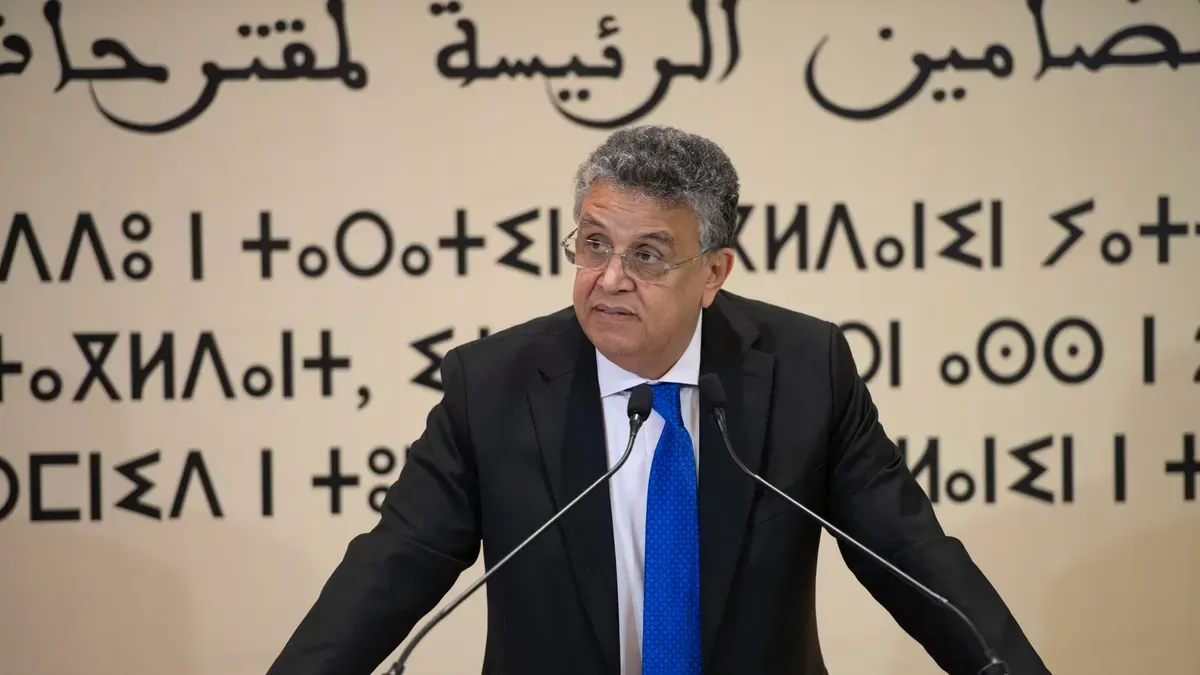
As summer draws to a close, the political climate between Spain and Morocco is heating up once again, particularly in light of the recent migration crisis affecting the Spanish city of Ceuta. In a significant move, Abdellatif Ouahbi, Morocco's Minister of Justice, has publicly reiterated Morocco's claim to the Spanish autonomous cities of Ceuta and Melilla, framing it as a matter of "historical and geographical right." During an interview with the Moroccan state television channel 2M, Ouahbi articulated his desire for a definitive solution to the current situation, suggesting that these cities should rejoin Morocco's national territory.
This assertion is particularly sensitive for Spain, which has consistently rejected Moroccan claims over Ceuta and Melilla, asserting their status as integral parts of Spanish territory. Ouahbi did not merely restate Morocco's traditional position; he proposed creating specific dialogue mechanisms between the two nations, including the possibility of a dedicated dialogue commission to address the future of these cities. He emphasized that the issue of Ceuta and Melilla would remain a topic of discussion between Morocco and Spain, insisting that Morocco would uphold its perceived historical and geographical rights.
Implications for Spanish-Moroccan Relations
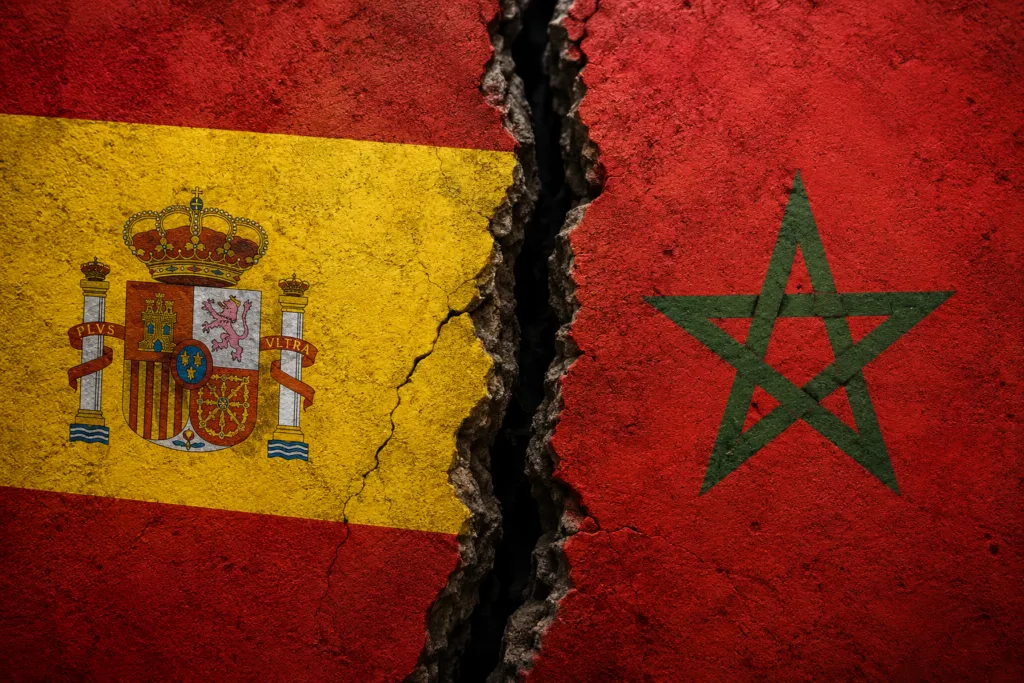
The remarks from Ouahbi serve to bring back to the forefront a longstanding issue that has divided Spain and Morocco for decades. Historically, Morocco has claimed sovereignty over Ceuta and Melilla since its independence in 1956, a claim that was previously echoed by former Moroccan King Hassan II, who suggested establishing a joint reflection group regarding the future of these cities—a proposal that Spain did not entertain.
These recent statements are particularly timely, given the backdrop of significant migration pressures faced by Ceuta at the end of July, when many individuals attempted to cross from Morocco into the Spanish enclave, including unaccompanied Moroccan minors. Ouahbi linked his comments about Ceuta and Melilla to this migration issue, urging Spain to repatriate the minors who reached Ceuta during that period, asserting that Morocco is prepared to welcome them back once their identities are verified.
This convergence of sensitive political issues—migration, minors, cooperation with Morocco, and sovereignty over Ceuta and Melilla—presents a complex challenge for the Spanish government. While the relationship between Spain and Morocco has improved following several diplomatic crises in recent years, Spain finds itself in a precarious position. The collaboration with Morocco is vital, particularly concerning migration management, border control, security, and trade. However, on the matter of territorial integrity regarding Ceuta and Melilla, Madrid has little political leeway.
As a sitting Moroccan minister publicly discusses the potential return of these cities to Moroccan governance and calls for an official dialogue about their future, the Spanish government must carefully monitor whether this constitutes a mere reiteration of Morocco’s long-standing position or an indication that Rabat intends to elevate this issue on the political agenda. The timing of this debate is notably challenging for Spain, as it grapples with ongoing migration issues while maintaining crucial cooperation with Morocco, all while one of the most politically charged topics in their bilateral relationship resurfaces.
As reported by spanienpress.com.