
RNI Unveils Ambitious Election Program Ahead of 2026 Parliamentary Elections
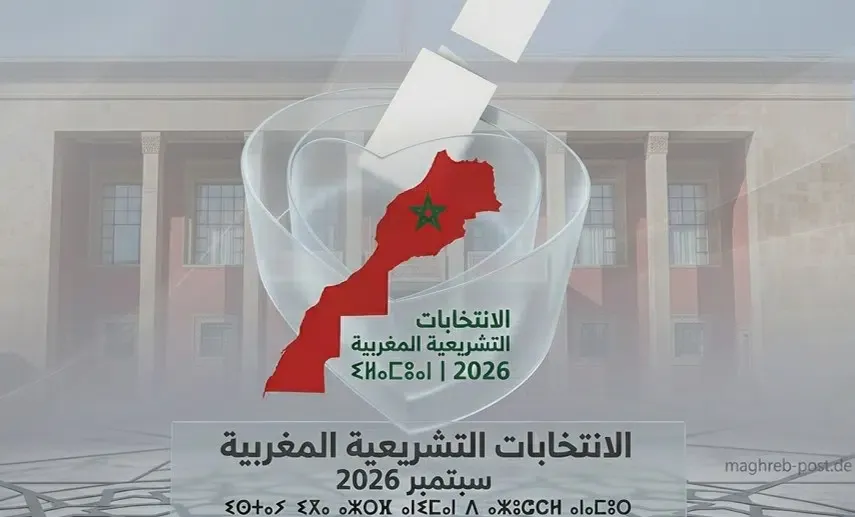
In a significant move just days before the Moroccan parliamentary elections scheduled for September 23, 2026, the ruling party, the National Rally of Independents (RNI), presented its election manifesto in Rabat. Under the banner of "Dignity and Opportunities for All," RNI President Mohamed Chouki outlined the party's political objectives, aiming to strike a balance between social security and economic modernization. This program emerges as a continuation of the welfare state development initiated by King Mohammed VI, addressing the ongoing challenges of rising living costs and structural issues in the labor market.
Key Elements of the RNI Program: Economic Inclusion and Structural Reforms
The RNI's program is built upon three foundational pillars: the enduring protection of purchasing power, the assurance of quality public services across the nation, and the economic inclusion of a broad swath of the populace. One of the core elements is the financial relief aimed at households. To combat inflation, the RNI proposes linking direct social assistance to the inflation rate of a predetermined basket of goods, which includes essential food items and energy. This automatic adjustment mechanism is designed to activate whenever inflation surpasses a defined threshold, potentially benefiting around four million families across Morocco.
For the middle class, the program introduces targeted tax measures, including a tax credit of up to 5,000 Dirhams per child annually for families with school-aged children, aimed at alleviating the burden of school fees. Furthermore, the RNI seeks to continuously raise average incomes while gradually aligning the agricultural minimum wage (SMAG) with the general minimum wage (SMIG), complemented by long-term measures to stabilize pension funds.
Additionally, the program addresses the high number of workers in the informal sector, proposing a “savings shield” — a state-sponsored, simplified savings account to facilitate capital accumulation for informal sector employees. This initiative is accompanied by a comprehensive overhaul of social security systems, including enhancements to unemployment benefits, the introduction of a personal season worker card for vulnerable laborers, and a productive loan fund aimed at providing interest-free, state-guaranteed loans to at-risk groups and micro-entrepreneurs. These measures also encompass the right to economic activation pathways for youth who are not engaged in education or employment (NEET), helping them transition into the formal job market.
The RNI program emphasizes territorial justice, proposing decentralized reforms in water, energy, and health sectors. It addresses the disparity between urban coastal centers and rural areas through functional decentralization, entrusting regional development companies with the execution of infrastructure projects under the leadership of elected regional presidents. Key initiatives include securing water supplies through the construction of new dams and desalination plants, enabling households to utilize photovoltaic systems for self-sufficiency, and establishing territorial health groups across the country by 2027.
On a macroeconomic level, the RNI aims to reduce the unemployment rate from the current 10.8% to approximately 9% by 2030, primarily through large-scale projects associated with the upcoming FIFA World Cup in 2030, as well as investments in tourism, gradual industrialization, and green hydrogen and natural gas sectors.
President Mohamed Chouki emphasized that the election program is the result of extensive consultations with citizens and local experts. He also highlighted the importance of modernizing electoral laws to ensure the transparency of democratic processes. The proposed reforms reflect the RNI's recognition that societal peace cannot be sustainably maintained without integrating the informal sector into the formal economy.
As the election approaches, the RNI's ambitious goals for reducing unemployment and reforming public services will be closely scrutinized. The upcoming vote on September 23 will serve as a litmus test for how Moroccan voters perceive the Akhannouch government's track record in balancing significant systemic changes with the everyday pressures of reform.
As reported by maghreb-post.de.