
Overview of Election Regulations in Morocco
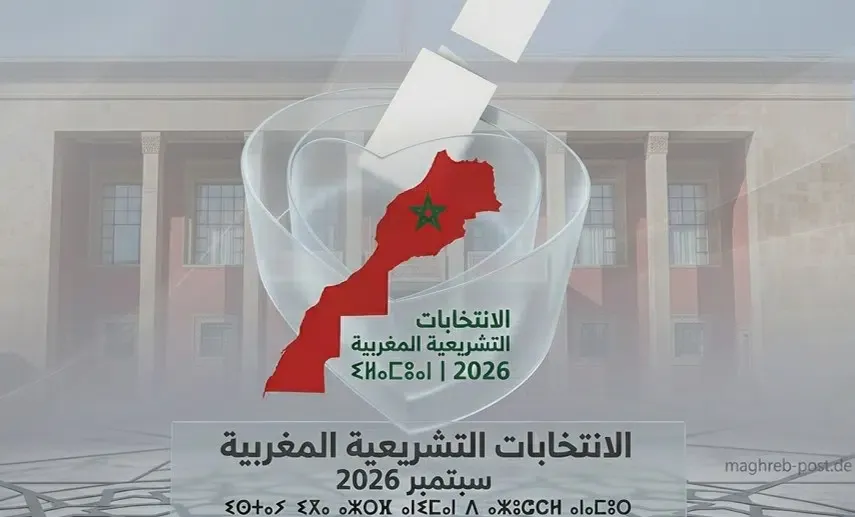
As Morocco prepares for its upcoming parliamentary elections scheduled for September 23, 2026, stringent legal frameworks have been established to govern the electoral process. These regulations are primarily based on Organic Law No. 53.25, which amends and supplements Organic Law No. 27.11 concerning the House of Representatives. This legislative framework outlines the procedures for the election campaign, the utilization of public spaces, and the obligations of candidates and administrative bodies involved in the electoral process.
Campaign Conduct and Prohibited Activities
The official election campaign is set to commence precisely at the beginning of the 13th day before the election date and will conclude at midnight on the eve of the elections. During this period, all campaign-related events must adhere to the legal stipulations governing public gatherings. Notably, marches, parades, and the use of loudspeakers must be officially registered with the relevant local authority at least 24 hours prior to their commencement, specifying the route and duration of the event. Moreover, the use of the colors red or green—either alone or in combination—is strictly prohibited on unofficial posters, flyers, and electoral programs to maintain neutrality. This neutrality extends to prohibiting the use of places of worship, educational institutions, vocational training sites, and public administrations for campaign activities.
On election day itself, the dissemination of posters, flyers, or any electoral materials is explicitly banned. This prohibition applies both to direct distribution and to digital channels via social media, streaming services, artificial intelligence tools, or any other online platforms. Violations of these regulations can lead to imprisonment for three to six months and fines ranging from 20,000 to 50,000 Dirhams. Additionally, paid political advertisements on foreign electronic platforms and websites are subject to penalties.
The law mandates strict neutrality within the administration. Officials and representatives of local authorities are forbidden from distributing electoral materials or encouraging voters to support specific candidates or parties while performing their duties. Any breaches of this provision may result in imprisonment for six months to one year, alongside fines between 50,000 and 100,000 Dirhams.
To safeguard electoral integrity, the purchase or attempted purchase of voter support through gifts, donations, or other inducements is strictly forbidden. Furthermore, attempts to influence voting decisions through violence, intimidation, or threats—such as job loss—are also punishable offenses. To promote financial transparency, campaign financial reports must be submitted to the Court of Accounts both in paper form and through a designated online platform within 90 days following the announcement of election results.
As reported by maghreb-post.de.