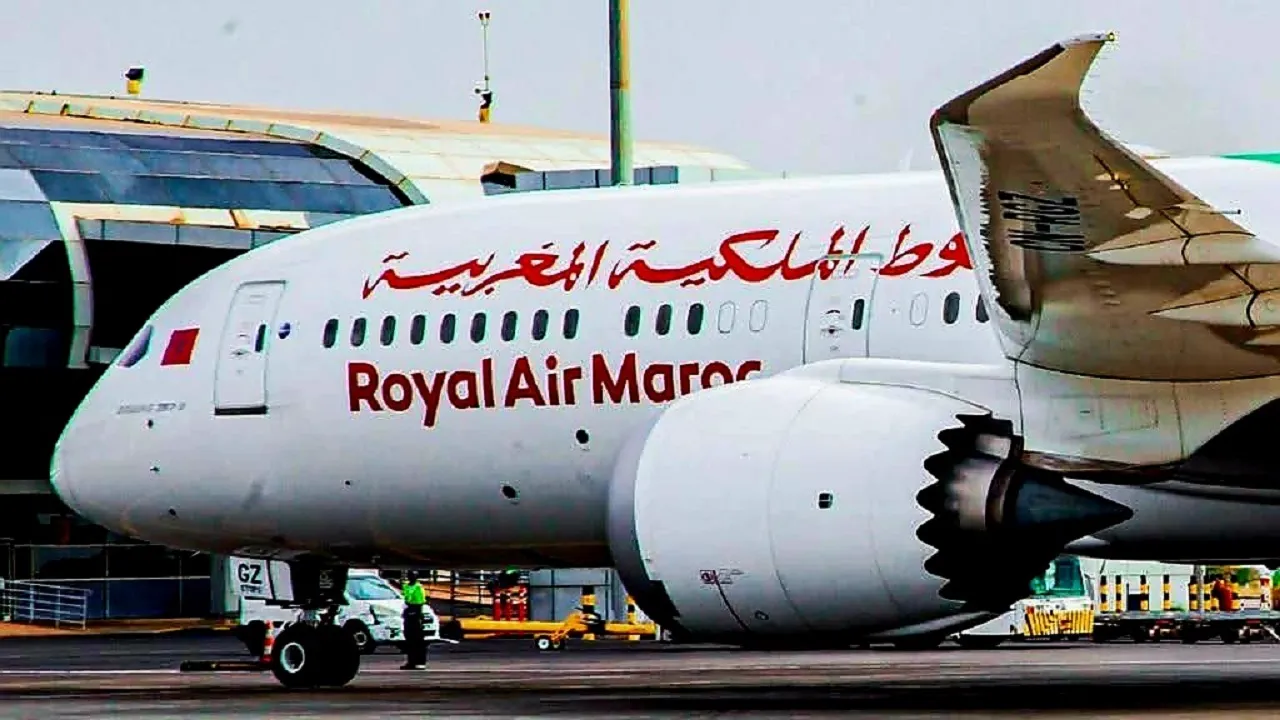

Royal Air Maroc Sets a New Standard for African Airlines
In a groundbreaking move, Royal Air Maroc (RAM) has entered into a partnership with Starlink, the satellite internet company owned by Elon Musk, to implement high-speed internet connectivity across its entire fleet. This ambitious initiative aims to achieve comprehensive coverage by 2027, positioning the Moroccan national airline as the first African carrier to adopt the innovative satellite network. According to Africa Intelligence, the agreement was finalized on August 4, 2026, after extensive discussions focused on the financial and technical aspects of the project, although neither Royal Air Maroc nor Starlink has publicly disclosed detailed contract terms or a specific timeline for the installation of this service on different aircraft types.
Progressive Deployment and Competitive Edge
The implementation of Starlink connectivity is planned to occur incrementally across RAM’s aircraft. Preliminary tests have reportedly been conducted on select planes in recent months, with the airline now targeting the completion of the rollout by 2027. This timeline marks a significant acceleration from earlier expectations which suggested a broader implementation by 2028, coinciding with the anticipated delivery of approximately one hundred new Boeing aircraft. The discussions leading to this agreement were reportedly protracted, with initial pricing proposals from Starlink being deemed excessive by Royal Air Maroc, while the American provider highlighted the costs and technical challenges associated with deploying the service. Ultimately, a consensus was reached, allowing for a gradual enhancement of the program until 2027.
If the details of this agreement are confirmed, Royal Air Maroc will become the first commercial airline in Africa to utilize Starlink for providing in-flight high-speed internet access. This state-of-the-art solution is based on a constellation of low Earth orbit satellites, designed to deliver a connection with significantly lower latency compared to traditional geostationary satellite systems. While RAM will be a pioneer in this specific partnership with Starlink in Africa, it is important to note that other airlines, such as Ethiopian Airlines, already offer in-flight connectivity through alternative Ka-band satellite solutions.
The introduction of high-speed Wi-Fi is becoming an increasingly important differentiator within the aviation industry. It enables passengers to access online content, send messages, work remotely, and utilize streaming services, depending on the available bandwidth on board. For Royal Air Maroc, this initiative aligns with a broader strategy aimed at modernizing passenger experiences and expanding its international network. As the airline competes on routes connecting Europe, Morocco, West Africa, and Central Africa with various European, African, and Gulf carriers, the availability of high-speed internet could enhance RAM's appeal for medium and long-haul flights, particularly among business travelers and passengers with layovers in Casablanca.
Despite the promising nature of this development, several key aspects remain unclear. Royal Air Maroc has not yet specified whether Wi-Fi access will be complimentary for all passengers, included in specific fare classes, or available as a paid option. Furthermore, details regarding the actual bandwidth available, the initial aircraft to receive the service, priority routes, and the commercial launch date have not been disclosed.
As reported by air-journal.fr.