
King Mohammed VI's Royal Pardon: A Humanitarian Gesture
In a significant display of compassion and moderation, King Mohammed VI of Morocco has extended a Royal pardon to 634 individuals convicted by various courts throughout the country. This act of clemency, which coincides with the religious observance of Eid Al Mawlid Annabawi—the celebration of the birth of the Prophet Mohammed—adds a profound humanitarian dimension to the occasion. The Royal pardon not only reflects the values of mercy and moderation inherent in Moroccan culture but also signifies the nation's commitment to maintaining public security and social stability.
The Ministry of Justice in Morocco announced that the pardon encompasses 619 individuals from different legal cases, including 462 currently incarcerated. Among those in custody, 13 have had the remainder of their sentences commuted, while 449 others received a reduction in their prison terms. Additionally, 157 individuals who were already free benefitted from this decision, which addressed their prison sentences, outstanding fines, or both. Notably, the pardon also includes 15 individuals convicted of extremism and terrorism who have undergone ideological reassessment, publicly renounced their radical beliefs, and reaffirmed their commitment to the nation's ethical and religious values.
Morocco's Comprehensive Approach to Extremism
The inclusion of individuals previously convicted for terrorism underscores Morocco's comprehensive approach to combating extremism, which emphasizes ideological reform and social reintegration rather than solely punitive measures. This strategy seeks to blend a robust response to threats against state security with opportunities for those willing to abandon extremism, thus fostering a path back to societal acceptance. Within this framework, ideological and religious rehabilitation are viewed as complementary to security strategies, enhancing the overall effectiveness of counter-extremism efforts.
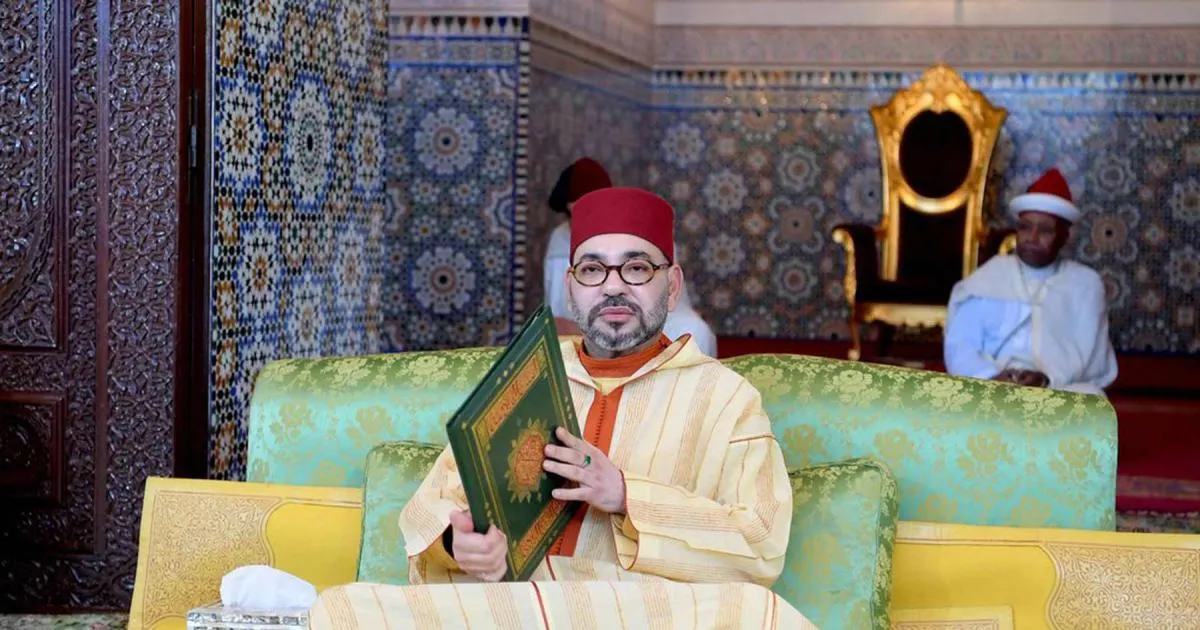
The timing of this Royal pardon during the Mawlid celebrations, presided over by King Mohammed VI at the Royal Palace in Rabat, further emphasizes the significance of the occasion. The ceremony was attended by prominent figures, including Crown Prince Moulay El Hassan and various religious officials, highlighting Morocco's unique model of managing religious affairs through the institution of the Amir Al-Mouminine. This model is characterized by a commitment to moderation and tolerance, actively working to counteract radical ideologies.
Minister of Endowments and Islamic Affairs Ahmed Toufiq presented an overview of the activities carried out by the Higher Council of Ulema and local scholarly councils, emphasizing Morocco's rich scholarly tradition and its contributions to Islamic heritage. The legacy of influential scholars, such as Cadi Ayyad and Imam Al-Jazouli, showcases the depth of Morocco's historical connection to the teachings of the Prophet and its significant role in Islamic intellectual discourse.
The Royal pardon, therefore, transcends mere legal leniency; it embodies a broader philosophy that intertwines the protection of national stability with the rehabilitation of individuals willing to embrace moderation. By offering a chance for reintegration to those who have distanced themselves from radicalism, Morocco reinforces its commitment to social cohesion and the humanitarian principles that define its identity.
As reported by middle-east-online.com.