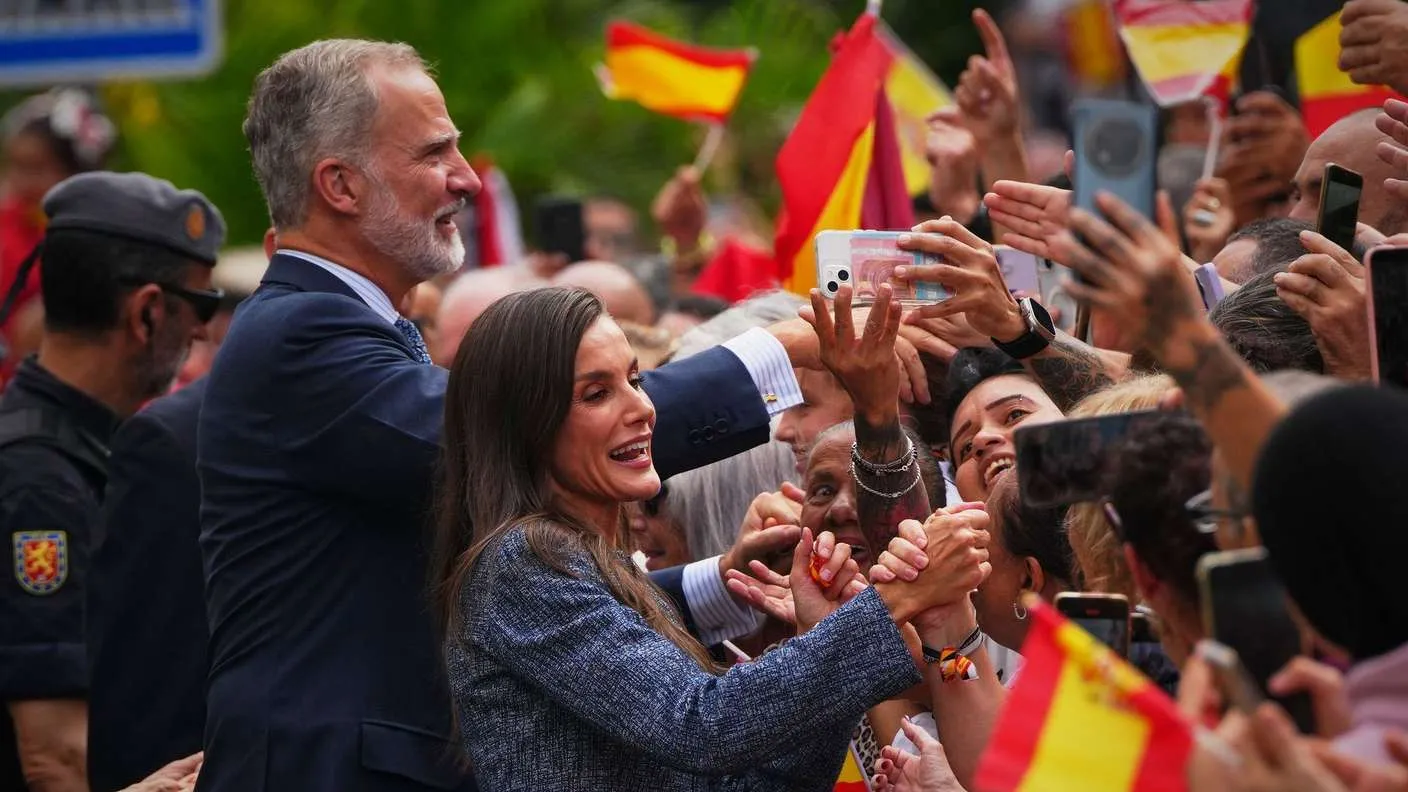
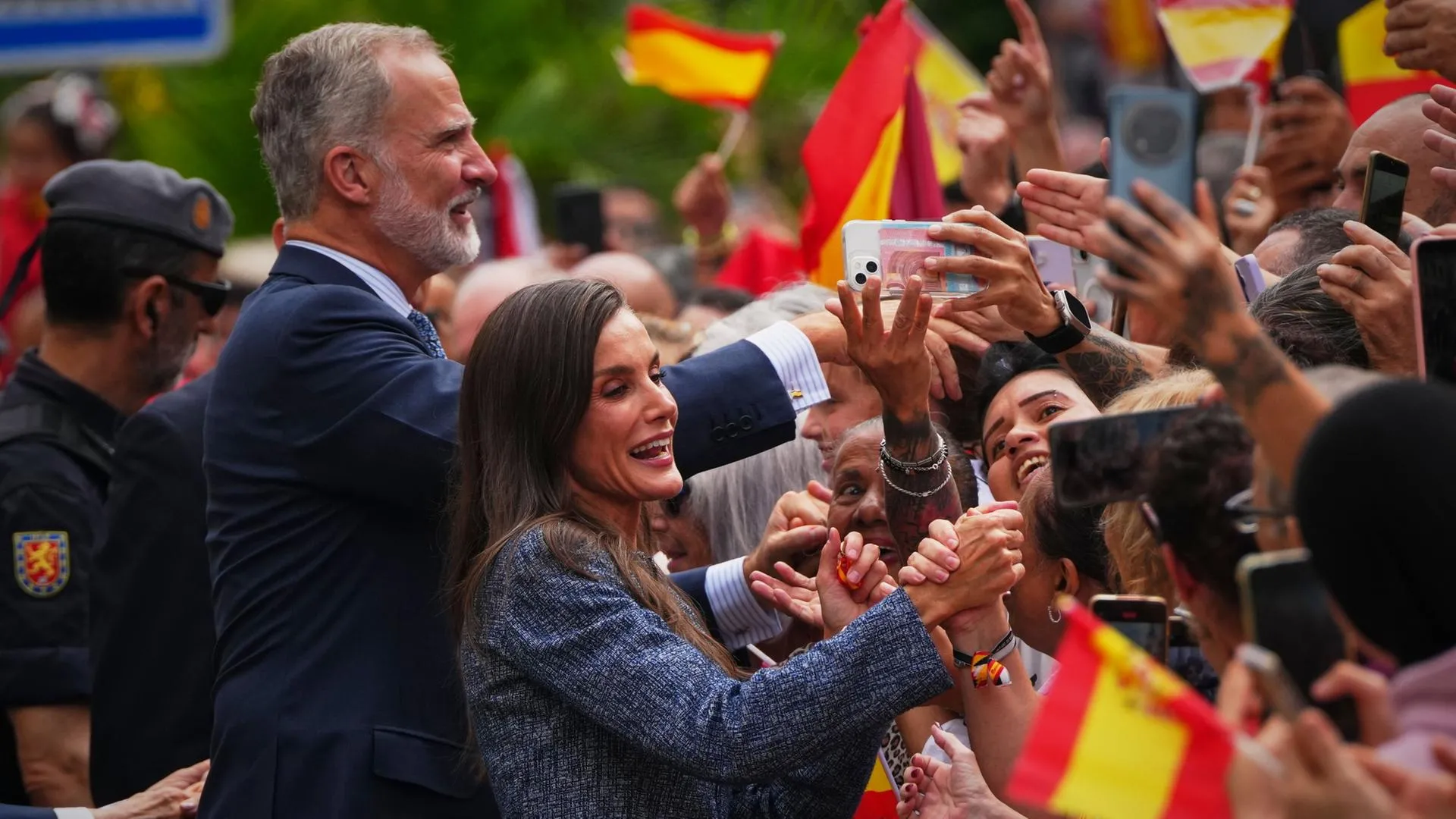
On Tuesday, the streets of Ceuta were alive with cheering crowds waving Spanish flags as King Felipe VI and Queen Letizia made a highly significant visit to the city, a trip that comes in the wake of a dramatic influx of migrants from Morocco experienced in July. This marks the first royal visit to Ceuta since 2007, a time when diplomatic tensions escalated between Spain and Morocco concerning the sovereignty of Ceuta and Spain's other North African enclave, Melilla.
The visit holds great importance, especially after more than 70,000 migrants surged into the small city, which has a population of about 80,000, during the last days of July. The influx was unprecedented, leading to tragic losses of life, as many migrants attempted to reach Spanish shores. Although most returned to Morocco shortly thereafter, a significant number remained, facing dire conditions as they slept in the streets or on the beaches. This humanitarian crisis has not only angered local residents but has also posed significant challenges for Socialist Prime Minister Pedro Sanchez, particularly with the general elections set for November 29, where migration is expected to be a focal point.
During their visit, King Felipe and Queen Letizia engaged warmly with the enthusiastic crowds, stopping to shake hands and converse with well-wishers en route to a meeting with local authorities at the city hall. Many attendees were eager to capture the moment with their phones, and some donned T-shirts emblazoned with the slogan "Ceuta is not for sale. Ceuta must be defended." Cristina Carrasco, a local civil servant, expressed her pride at meeting the royals, recounting how she told the king, "Don't forget us," to which he reassured her, "No, we won't forget you." Such sentiments echoed the feelings of many locals who deemed the royal presence a much-deserved acknowledgment of their struggles.
At the city hall, Ceuta's leader, Juan Jesus Vivas, expressed gratitude to the royals for visiting during what he termed "the most difficult moment of our recent history." He described Ceuta as a "pressure cooker" that could potentially explode at any moment, underscoring the urgency of the situation. Although authorities have established temporary shelters and cleared some of the main migrant camps, numerous migrants continue to reside in the hills and streets surrounding the city. Local resident Ana Maria Diaz suggested that the king’s visit should have occurred earlier to witness the plight of the migrants firsthand, particularly in the outlying neighborhoods, where conditions remain deplorable.
The Spanish government is navigating a complex web of international law, insisting on the necessity of assessing asylum claims while also facing pressure regarding the treatment of unaccompanied minors. The royal couple is set to pay tribute to those migrants who lost their lives, predominantly due to drowning while attempting to circumvent border barriers. Felipe VI is expected to deliver a speech addressing civil society before the monarchs continue their travels to Melilla on Wednesday.
This visit unfolds at a particularly sensitive juncture in Spain's historically fraught relations with Morocco. There is speculation surrounding Morocco's potential involvement in the July migrant rush, claims that both Rabat and Sanchez have vehemently denied. Recently, Moroccan King Mohammed VI condemned what he referred to as "irresponsible statements" from certain political and media circles, which he claims have exploited the situation for their own ends. Reports of Moroccan warships entering Ceuta's waters during the migrant rush have further complicated the diplomatic landscape, although Spanish government officials have downplayed these incidents as minor and resolved normally.
As reported by france24.com.