
Russia's Fuel Crisis: A Surprising Shift Towards Morocco
In a surprising turn of events, Russia, known as one of the world's largest oil producers, is grappling with significant fuel shortages, compelling it to seek imported gasoline to stabilize its domestic market. The crisis was exacerbated by a series of Ukrainian drone attacks targeting Russian refineries, which have severely disrupted local production. In July 2026, a notable shipment of 30,000 tons of Al-92 fuel, sourced from Morocco, arrived at the port of Murmansk. This marked the first delivery from Morocco, with Lukoil reportedly acting as the supplier for this fuel import.
This unexpected reliance on imports raises critical questions: How does a major oil-producing nation like Russia find itself in a position where it must source fuel from Morocco? Furthermore, given Morocco's close ties with the United States, what implications does this fuel transaction have on American perceptions and diplomatic relations, especially amid ongoing conflict in Ukraine?
Impacts of the Crisis on Russian Society and Global Relations
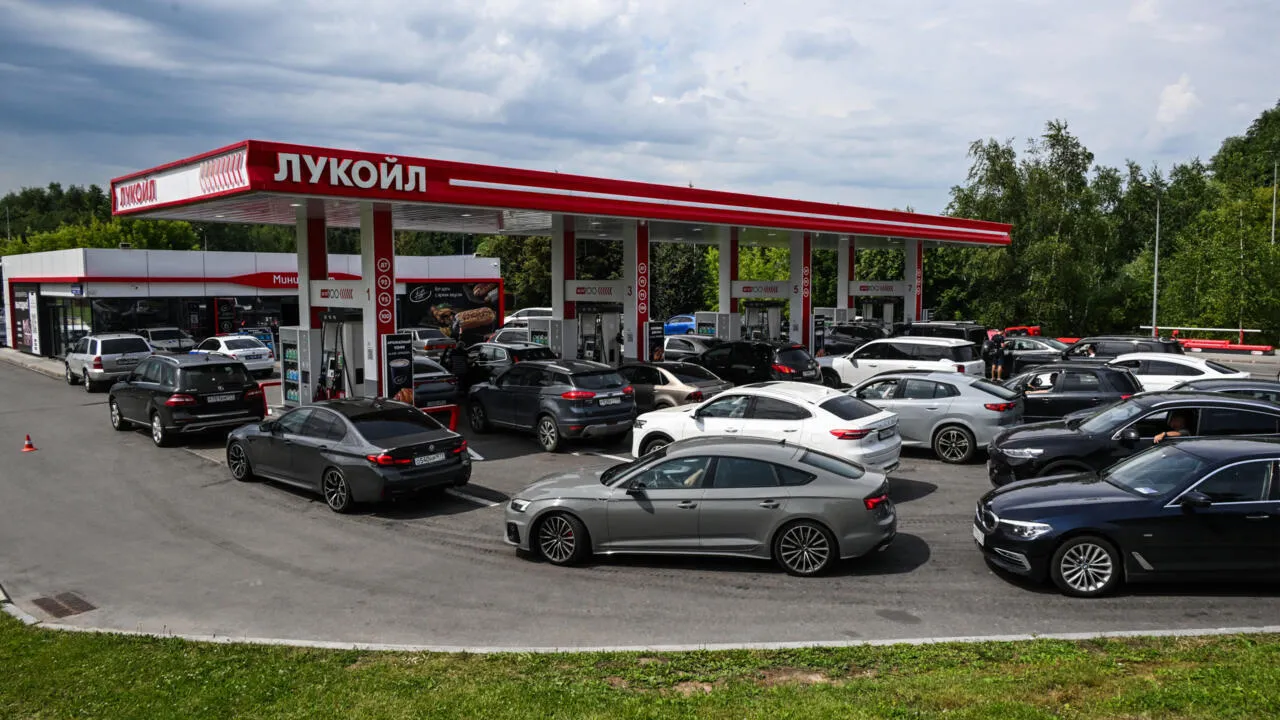
As the situation unfolds, the impact on Russian society is becoming increasingly evident. Citizens have begun to experience fuel shortages, leading to long queues at Lukoil gas stations in Moscow. The Russian government has implemented a series of restrictions on gasoline sales nationwide, aiming to manage the dwindling supply while grappling with the consequences of ongoing military actions. The strain on domestic fuel availability poses not only economic challenges but also potential political ramifications as public dissatisfaction grows.
Moreover, the geopolitical dynamics surrounding this fuel importation can’t be overlooked. The sale of fuel from Morocco to Russia could be perceived as a controversial maneuver, particularly in the context of international relations and the ongoing war in Ukraine. The U.S. and its allies are likely watching this development closely, as it may influence their strategic responses to Russia’s actions in the region.
As reported by rfi.fr.