
Saidia’s Press Freedom Crisis: An Emerging Concern
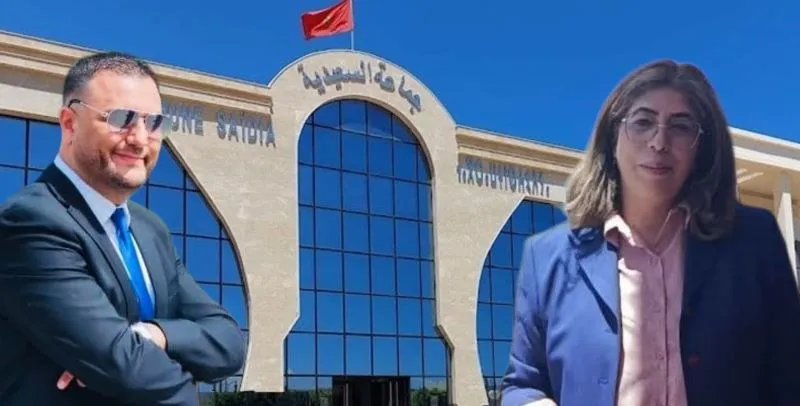
In a troubling development that underscores the escalating tensions between local authorities and the press, human rights organizations in Saidia have raised concerns regarding the suppression of media freedom. The recent incident involving journalist Nazihah Mchich, a correspondent for "Al-Muwatin 24," who faced obstruction and intimidation while covering the May 2026 ordinary session of the Saidia Municipal Council, has sparked widespread outrage among activists and media professionals alike. This situation has reignited discussions about transparency within elected councils and the problematic use of majority power to transform public meetings into closed sessions inaccessible to journalists and the general public.
According to a statement issued by several human rights bodies, including the Moroccan Anti-Corruption Organization and the High Authority for Arab-African Youth Union in Morocco, the President of the Saidia Municipal Council swiftly invoked a "point of order" immediately after Mchich's arrival, which effectively turned the session into a secret meeting. This action has been interpreted as a blatant attempt to curtail media coverage and exclude public discourse from the citizens’ view. The statement decried this move as a clear violation of press freedom and the citizens' right to access information, asserting that the public nature of council meetings is not a privilege granted by the presidency but a constitutional principle tied to good governance and accountability.
Increasing Intolerance Towards Media Coverage
Moreover, this recent incident is not an isolated case; it recalls previous instances where Mchich faced defamation and insult while reporting on partial electoral events, incidents which have even reached judicial proceedings. Such occurrences highlight a disturbing trend of hostility towards local journalists engaged in public affairs reporting. Observers suggest that the situation in Saidia reveals a worrisome mindset among some elected officials, who increasingly view the press as a "disturbing adversary" instead of a crucial ally in promoting transparency and addressing discrepancies.
As scrutiny on local governance intensifies, there appears to be a growing sensitivity to media inquiries, with the expectation that journalists should act merely as silent witnesses or cheerleaders rather than objective observers. This trend raises significant concerns about the future of local democracy, as the transformation of public sessions into private discussions is sometimes executed under the guise of procedural regulations, thereby undermining the core values of local democracy and leaving citizens uninformed about the operations of institutions that are supposed to manage their daily affairs.
In light of these developments, the signing organizations have expressed their unwavering support for journalist Nazihah Mchich, demanding a thorough and impartial investigation into the abuses she has faced and the legal accountability of those responsible. They emphasize that protecting journalists is not a luxury but a fundamental requirement for the establishment of a law-based state. The pressing question remains: Why do some elected councils fear the presence of the press? Is revealing public discussions and conveying them to the citizenry now deemed a transgression warranting prohibition and suppression? Or do certain local authorities still perceive local governance as "private estates" managed away from public scrutiny?
As reported by hibazoom.com.