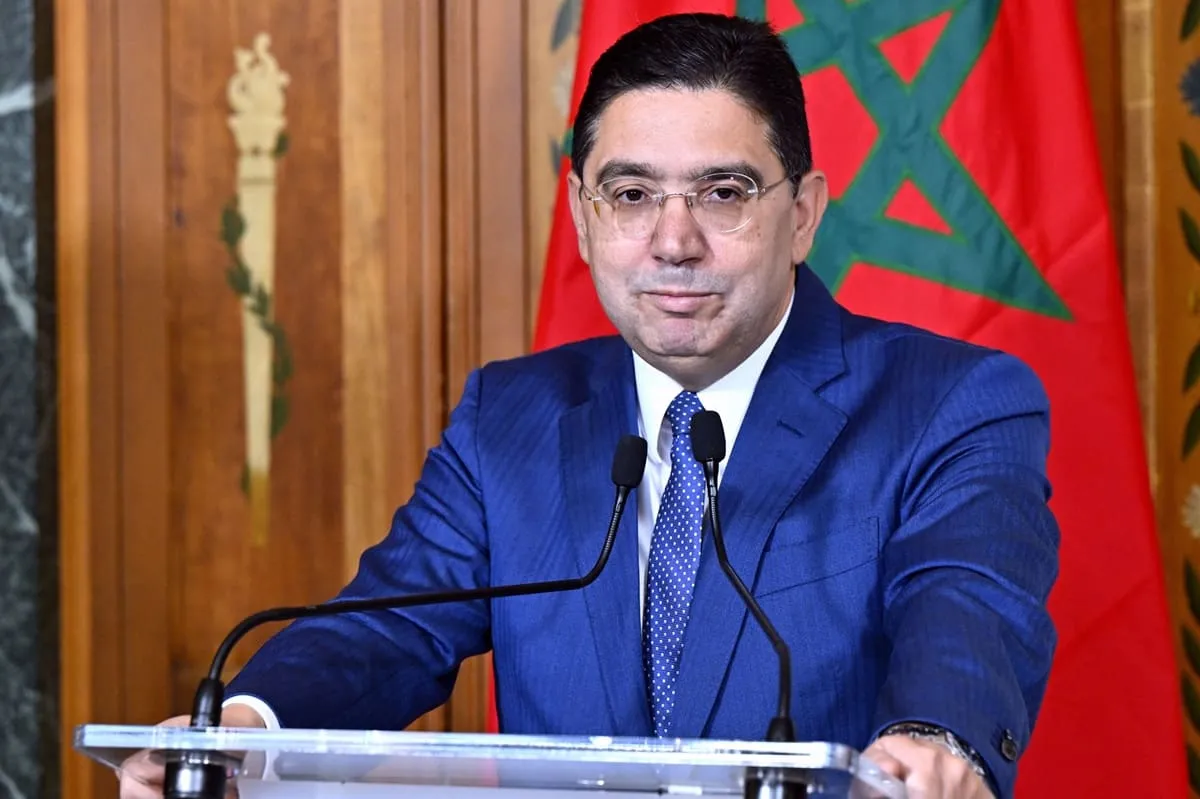

The second Ministerial Conference on Peacekeeping in Francophone Environments has officially commenced in Rabat, Morocco, featuring prominent figures such as Foreign Minister Nasser Bourita and his French counterpart Jean-Noël Barrot. In a statement issued by the Moroccan Foreign Ministry, Bourita articulated his aspirations for UN peacekeeping mandates to align closely with the evolving realities on the ground. He warned that failing to do so could lead these missions to function merely as tools for preserving the existing status quo, rather than serving as effective mechanisms for conflict resolution.
During his address at the conference's opening, Bourita underscored the necessity for peacekeeping operations to be founded on pragmatic mandates, bolstered by well-defined political strategies that are regularly evaluated. This conference unfolds amid ongoing political rifts within the Security Council, the complex nature of contemporary conflicts, and the increasing strain on available resources. Minister Barrot recognized Morocco as a pivotal player in peacekeeping efforts and a vital partner on the African continent. He commended the Kingdom for its numerous initiatives aimed at fostering stability, development, and prosperity throughout the continent, while also reaffirming the indispensable nature of UN peacekeeping missions.
UN Secretary-General António Guterres expressed his appreciation to both Morocco and France for their roles in organizing and co-chairing this significant conference. In a pre-recorded speech delivered during the opening session, Guterres highlighted that peacekeeping represents one of the most tangible aspects of the United Nations, especially as the world faces an unprecedented surge in conflicts since 1945. The high-level segment of the conference culminated in the adoption of a declaration that lauded Morocco’s influential role as a key player in the realm of international peace and security.
Furthermore, the Declaration emphasized the paramount importance of ensuring the safety of peacekeeping operations and condemned any attacks against such missions in the strongest terms. Through the Rabat Declaration, the participating delegations expressed their commitment to developing clear and realistic peacekeeping mandates, focusing on strategies for exiting crises, prioritizing political solutions, and adapting to the evolving nature of conflicts. This approach aims to contribute significantly to the establishment of enduring peace and stability within conflict-affected regions.
As reported by italpress.com.