
Dire Water Shortages in Ouled Dhiab Communities
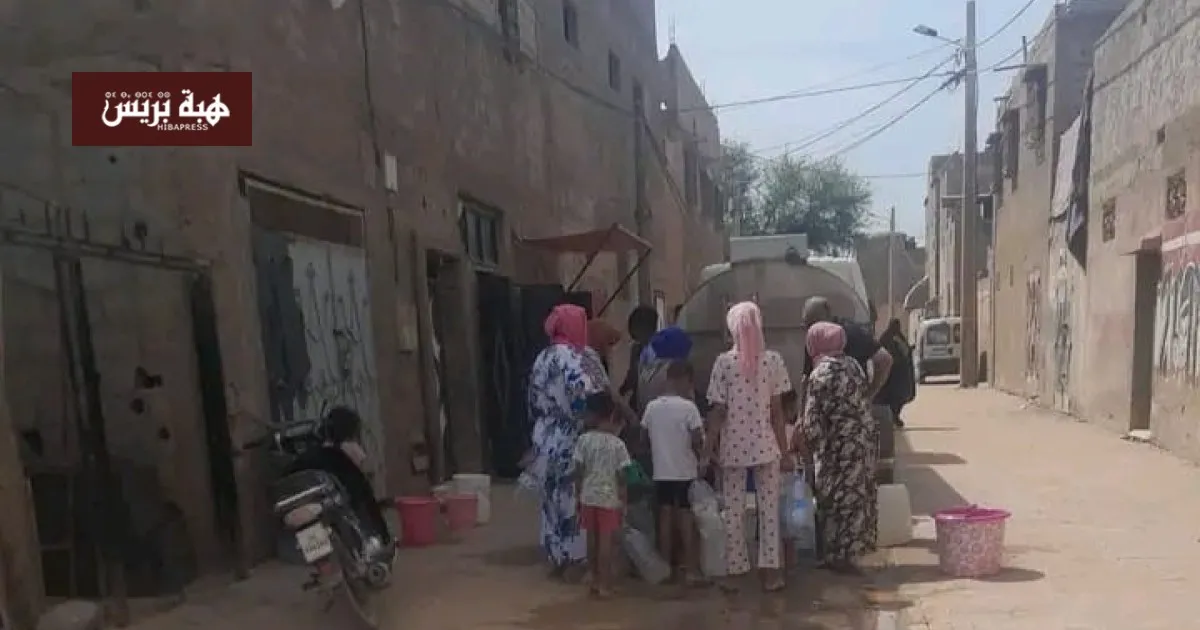
In the villages surrounding the Ouled Dhiab area near Marrakech, residents are grappling with a significant crisis concerning access to potable water. With the relentless rise in temperatures during the summer months, the situation has become particularly dire. Local sources report that inhabitants of the villages in the 7th and 1st Mohammedia regions have been experiencing an almost total lack of drinking water for several weeks. This scarcity has exacerbated the difficulties faced by families, especially in light of the ongoing heatwave, which has heightened the demand for this essential resource.
Despite the municipality's efforts to address the situation by drilling three wells in the area, reports indicate that the water drawn from these sources is not suitable for consumption. Furthermore, the recent initiatives aimed at deepening these wells have not resolved the issue and have, in fact, intensified the anxiety and dissatisfaction among the local population. As a temporary measure to alleviate the crisis, water is being distributed via tankers. However, local sources emphasize that this distribution is neither regular nor comprehensive enough to meet the needs of all residents, raising concerns regarding the management and allocation of this vital resource.
Urgent Call for Sustainable Solutions
In light of the persisting situation, the affected communities are urgently calling for intervention from the relevant authorities to ensure a steady supply of potable water and to establish a long-term solution to this crisis. It is essential to note that access to water is not a luxury but a daily necessity, especially during periods of extreme heat. The residents are not seeking mere promises; they demand a consistent supply of drinking water that reaches them regularly.
This ongoing crisis necessitates immediate action from the authorities to prevent any further suffering among the population. The failure to find a sustainable solution to this issue is unacceptable, particularly given the critical nature of drinking water. While temporary measures, such as tanker distributions, can provide some relief, they must be organized and equitable to ensure all affected villages receive adequate support. The necessity for a robust and reliable solution is paramount, as families cannot endure prolonged periods without access to such a fundamental resource.
As reported by ar.hibapress.com.