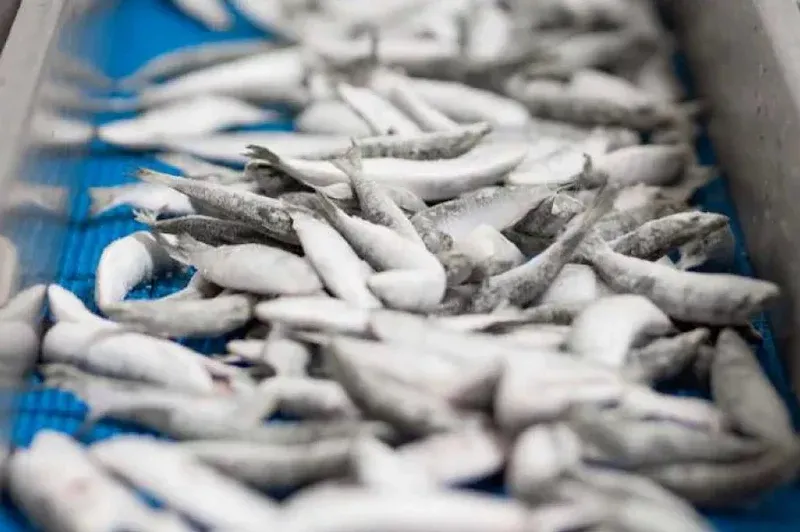

Supply Shortages of Moroccan Sardines Impacting German Markets
In recent times, major retail chains across Germany have experienced a significant shortage of sardines, primarily due to a decline in supply from Morocco, which is the leading and essential supplier to European factories. This decrease in availability has been attributed to dwindling fish stocks along the Moroccan coastline, a situation exacerbated by climate change. In response to these challenges, the Moroccan government has suspended the export of frozen sardines to safeguard the local market.
According to a spokesperson from the German news agency, a representative from the “Aldi Nord” chain confirmed that the current availability of sardines is heavily influenced by challenging fishing conditions. Similarly, stores like “Lidl” have noted temporary restrictions on sardine supplies due to heightened demand for this popular product.
Stefan Meyer, the executive director of the Fish Information Center in Hamburg, stated that the sardine fisheries off the Moroccan coast, which are vital for the European market, have been suffering from declining stocks for several years. Meyer attributed this situation largely to the effects of climate change and shifting sea conditions, which have compelled the Moroccan government to impose strict restrictions on the export of frozen sardines, ensuring adequate supply for the domestic market.
Meyer further emphasized that this development has adversely affected supplies destined for European manufacturers, noting that the sardine stocks off the coasts stretching from Spain to Portugal are inadequate to fill the gap, and no swift relief is expected in the sardine market.
With the anticipated rise in prices for this marine product in the German market, there is an increasing reliance on sardine alternatives primarily sourced from the Indian Ocean, the western Pacific, and tropical Atlantic waters.
A report conducted by the Directorate General for Internal Policies of the European Parliament, for the Fisheries Committee, indicated that Morocco ranked third among fish product exporters to EU countries outside of this bloc. The report revealed that in 2022, these countries imported over 1.61 billion euros worth of Moroccan fish, including approximately 496 tons of sardines and anchovies, in addition to over 21,000 tons of squid.
According to the same source, the value of sardine imports from Morocco to Europe reached around 182 million euros, highlighting Morocco's position as the leading supplier to the EU for this product, accounting for about 93 percent of Europe's imports in this category.
Furthermore, Zakiya Driouch, the Secretary of State for Agriculture, Fisheries, Rural Development, and Water and Forests responsible for fisheries, announced in Parliament the suspension of frozen sardine exports starting February of this year to bolster availability in the national market due to identified shortages in stock.
In a related context, Spanish fish canning factories, represented by the National Association of Fish and Seafood Manufacturers and Processors in Spain (ANFACO-CYTMA), expressed concern over this Moroccan decision, stating that the suspension of exports at this level would have a tangible impact on the operations of Spanish factories and job opportunities within this sector. The Spanish professional body pointed out that the European market is the largest destination for Spanish sardine exports, which are most affected by this decision. Between January and October 2025, EU countries imported over 17,000 tons of sardine products, representing approximately 89 percent of total imports from non-EU countries.
These figures illustrate Morocco's critical role as a primary supplier of these products and as the foremost competitor to the Spanish industry, which only produced 13,000 tons of canned goods in 2024.
As reported by hespress.com.