
Overview of Irregular Border Crossings in the EU
The European Border and Coast Guard Agency, known as Frontex, has released a report indicating a notable decrease in illegal border crossings at the external borders of the European Union during the first eight months of the year. Specifically, the agency recorded around 75,000 unauthorized entries, which represents a remarkable decline of 35% compared to the same period last year. This shift highlights the effectiveness of ongoing collaboration with partner countries and proactive measures taken in the primary source nations of migrants.
Challenges and Future Outlook
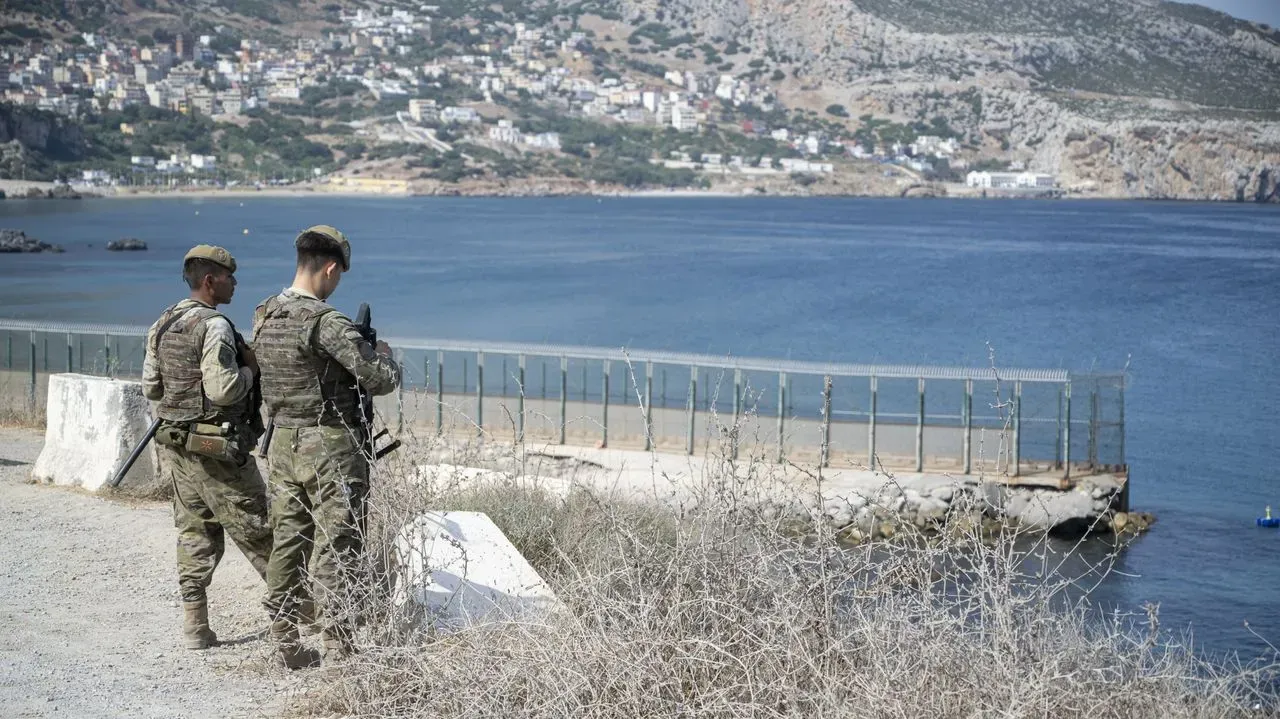
Despite the overall reduction in crossings, Frontex acknowledged that these statistics do not fully encapsulate the significant migration movement from Morocco to the Spanish exclave of Ceuta that occurred at the end of July. During this period, approximately 80,000 individuals reportedly arrived in Ceuta, although many returned to Morocco before their entries could be officially recorded, complicating the accurate assessment of migration flows. The situation at Ceuta has sparked considerable debate regarding the protection of the EU's external borders and the responsibilities of Spain.
Frontex officials noted that while the summer months were relatively calm at the EU's external borders, the situation can change rapidly. They emphasized that smuggling networks remain in place and will be ready to capitalize on any future opportunities. This reality necessitates that Frontex remain vigilant and prepared for any sudden changes in migration dynamics.
Additionally, while there has been a general decline in crossings on the primary migration routes through the eastern and central Mediterranean, the report highlighted a worrying trend: a 34% increase in crossings via the western Mediterranean route toward Spain. This underscores the ongoing complexities and challenges surrounding migration in the region, necessitating continued attention and action from European authorities.
As reported by deutschlandfunk.de.