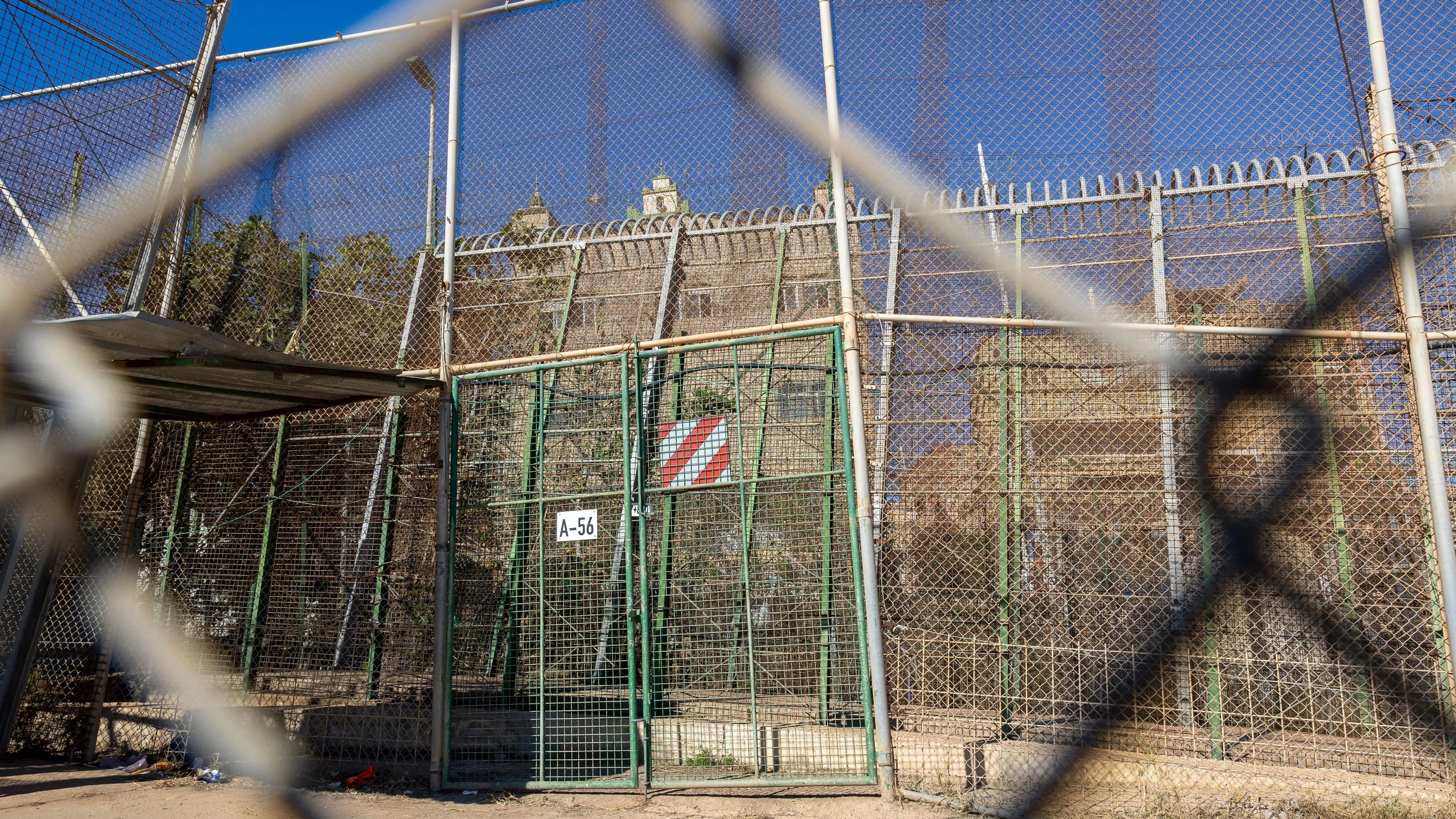

On March 13, 2023, we mark the sixth anniversary of the closure of the land border between Melilla and Morocco, a decisive measure implemented in 2020 aimed at curbing the spread of the coronavirus. This closure has radically altered the operations of the primary border crossing in the city, significantly reducing the flow of people and vehicles while introducing new control protocols and technological advancements.
The closure took effect in the early hours of March 13, 2020, when Morocco halted passage through its border posts with Ceuta and Melilla as part of its health measures against the pandemic. The land crossings remained closed for 26 months, only reopening in May 2022 following diplomatic rapprochements between the two nations and an agreement reached by Spanish Prime Minister Pedro Sánchez and King Mohammed VI to initiate a gradual reopening.
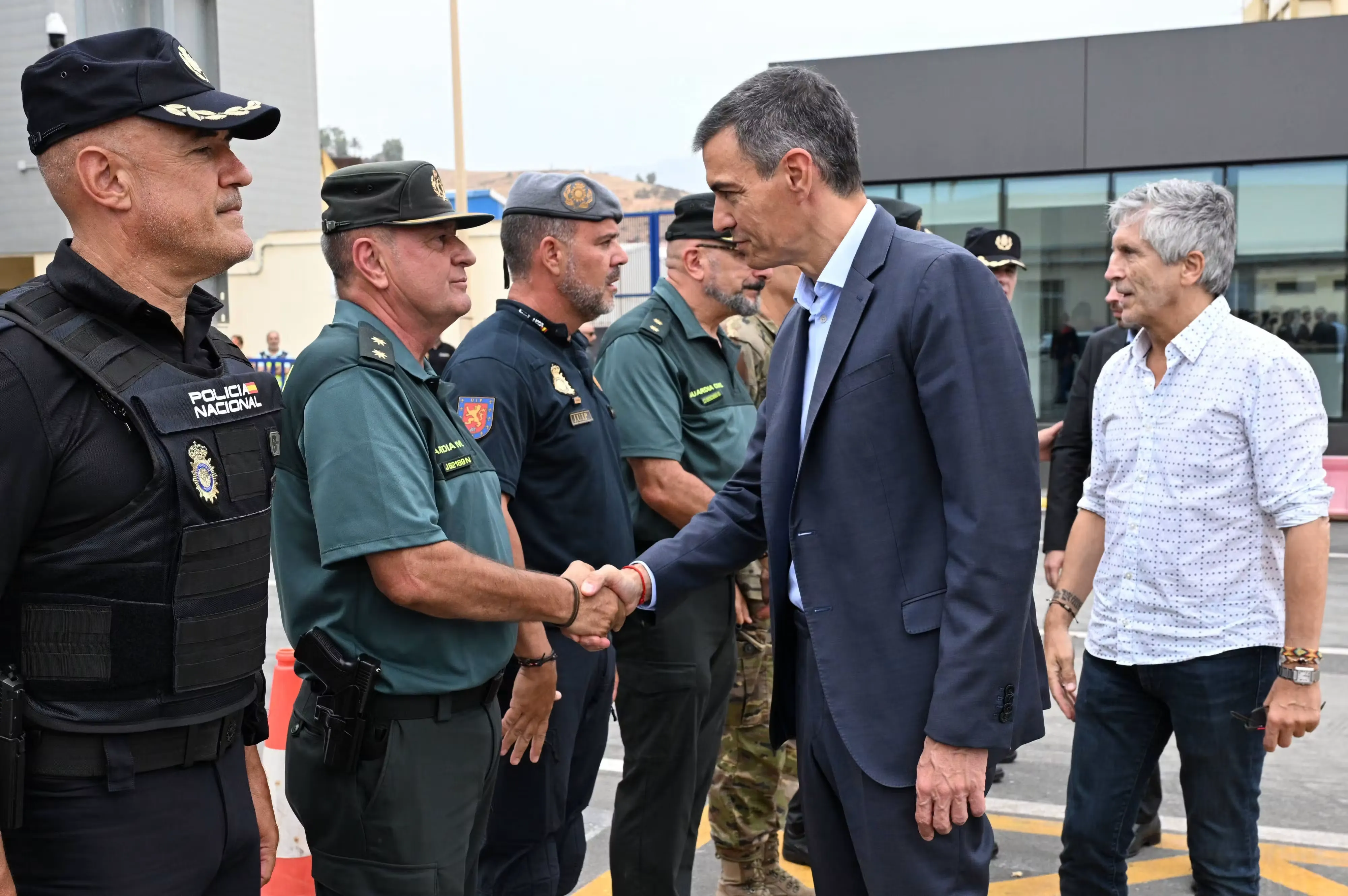
At Melilla, only the Beni-Enzar border crossing, the main link to the Moroccan province of Nador, resumed operations. The other three crossings—Farhana, Barrio Chino, and Mariguari—have remained shut since then, with the Government Delegation confirming to RTVE that there are no plans for their reopening. According to the President of the City, Juan José Imbroda, the pandemic served as a pretext for the border closure, noting that “in August 2018, there was no Covid, and Morocco closed the commercial customs.” The reopening of the Beni-Enzar crossing was approached with a different model from before, featuring stricter controls and limited access for individuals meeting the entry requirements for the Schengen area or those holding specific authorizations, such as cross-border workers. Six years later, Jesús Ruíz Barranco, head of the Unified Police Union in Melilla, asserts that the previous “chaos” at the border has dissipated.
This change has also transformed the profile of daily transit. Prior to the coronavirus pandemic, it was common for thousands of Moroccan residents from the nearby area to cross into Melilla with ease, often with only basic documentation. Following the reopening, that situation has vanished, and the crossing is now subject to the access conditions established for the EU’s external borders, significantly reducing the number of travelers compared to pre-2020 levels. Currently, around 7,500 individuals and approximately 1,700 vehicles cross through Beni-Enzar daily, according to the Government Delegation. In February 2020, prior to the closure, the numbers were around 35,000 travelers and nearly 4,000 vehicles each day, as per the same sources.
Meanwhile, the border has undergone a technological modernization process. In October 2025, the Beni-Enzar crossing implemented the European Entry/Exit System, which automates controls through the verification of documentation and biometric data, such as fingerprints and facial images. The goal is to enhance security and improve tracking of entries and exits of citizens from third countries within the Schengen area. In the initial weeks of operation, the Unified Police Union reported numerous incidents related to system overloads. Now, Ruiz Barranco indicates to RTVE that “there might be some minor incidents, but they are not noteworthy.”
Nonetheless, the SUP continues to call for additional personnel to manage peak influx periods, such as during Holy Week or the Operation Passage of the Strait, so that police officers can have more rest, Ruiz emphasizes. Conversely, the implementation of Artificial Intelligence at the border has faced criticism from social organizations, with over 80 entities denouncing that its use could infringe upon fundamental rights.
As reported by rtve.es.