Significant Progress in Tourism Development
The SMART Tourism Development Authority (SDR) has recently reported substantial advancements in its comprehensive tourism support program, which encompasses the entire tourism value chain. This initiative has not only facilitated technical assistance and financial support but has also included digital transformation, marketing strategies, and quality enhancement throughout the sector. The program's integrated approach positions it as a pivotal tool for structuring the regional tourism ecosystem, moving beyond mere subsidy distribution.
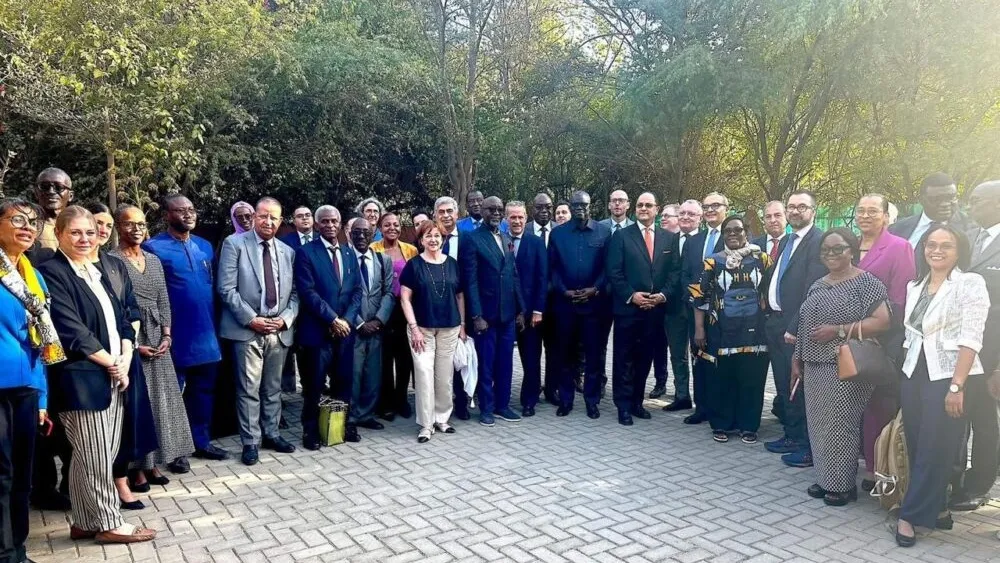
During a technical monitoring committee meeting held last week in Agadir, presided over by Wali Saaid Amzazi, key statistics were unveiled, showcasing the program's impact. With 210 projects supported and a total investment of 400 million dirhams, the initiative has successfully created or retained over 1,600 direct jobs and nearly 3,000 indirect jobs. These figures highlight the program's effectiveness and its potential for future growth.
Focused Initiatives for Enhanced Tourism Experience
One of the notable highlights from the recent committee meeting was the specific call for interest aimed at restaurants within the Agadir Bay area. Thirteen projects have been selected for individualized support, which will include space redesign, culinary coaching, service improvement, sales techniques, and digitalization efforts. This comprehensive program aims to elevate the dining experience in one of the region's most frequented tourist spots.
On the digital front, 117 professionals have engaged in the digital transformation framework, resulting in the listing of 347 marketable offers and over 600 monthly reservations. This growth indicates a genuine adoption of digital tools by operators, although it is acknowledged that there is still significant untapped potential for further deployment.
Additionally, the Souss Massa Label, part of the Blue Economy project funded by the World Bank, is progressing well. The pilot phase has engaged 158 companies, leading to the assessment of 67 establishments and the certification of 54 structures. This encouraging initial outcome paves the way for a gradual regional rollout. The committee has outlined several strategic directions for the next phase, including enhanced individualized support, accelerated digitalization, and the expansion of the label, alongside preparations for an amendment to extend the program. With ongoing progress and accumulating results, the challenge now lies in maintaining this momentum.
As reported by aujourdhui.ma.