
The Rise of South Korea in Global Military Supply
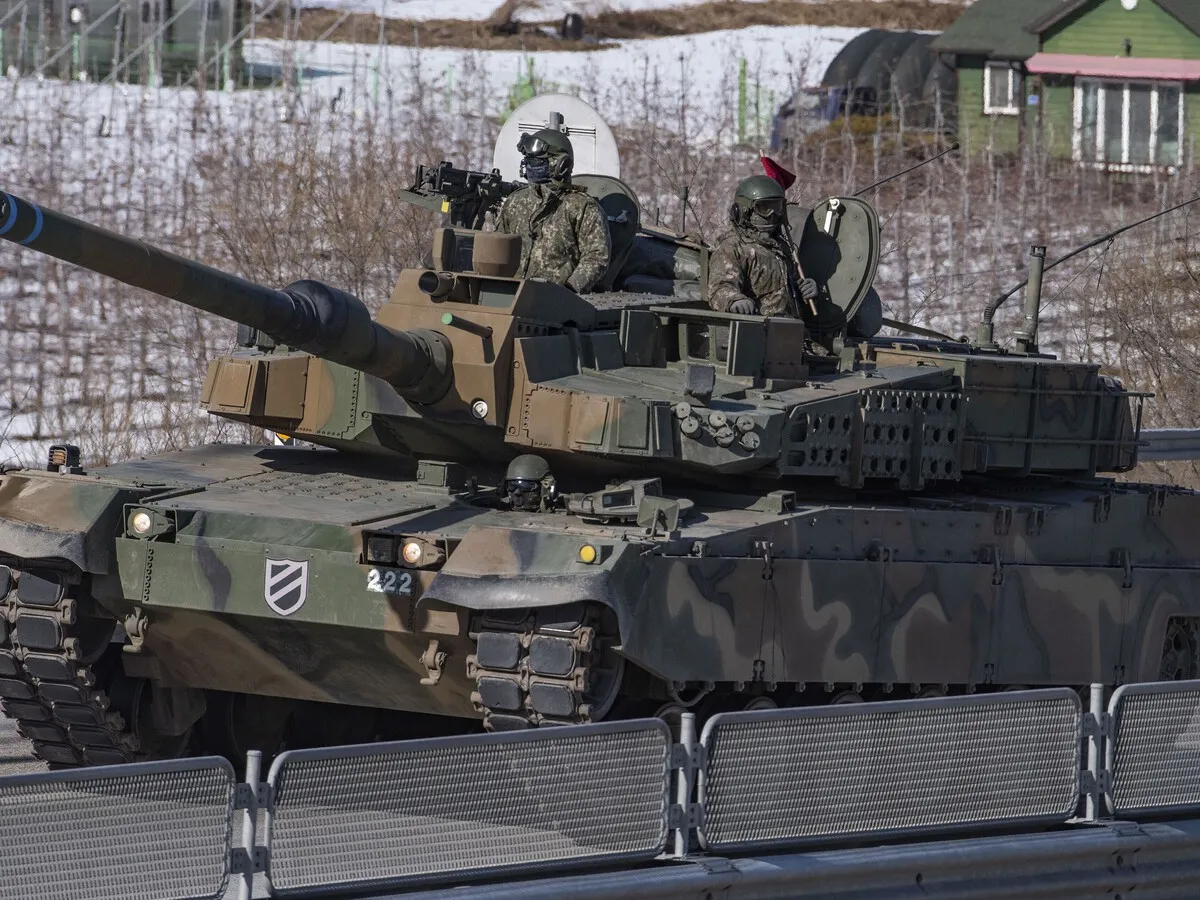
In the wake of the ongoing conflict in Ukraine, South Korea has emerged as a significant player in the international arms market, leveraging its advanced military capabilities and robust industrial base. Currently ranked fifth in the Global Firepower index, South Korea has commenced a new phase in the delivery of its K2 Black Panther tanks, a move that not only strengthens its military partnerships but also reshapes defense strategies across Europe.
Poland has become the first recipient of these state-of-the-art tanks, as it seeks to bolster its defenses against potential threats from Russia. The Polish military is planning an ambitious fleet expansion, aiming to acquire up to 1,000 K2 Black Panthers to enhance its armored capabilities. This procurement is part of a larger deal valued at approximately $6.5 billion, which includes an initial delivery of 28 tanks intended to support the 16th Mechanized Division stationed in northeastern Poland, an area of strategic importance due to its proximity to Belarus and the Russian exclave of Kaliningrad.
The urgency for such military enhancements in Poland can be traced back to the drastic transformation of its armed forces following the Russian invasion of Ukraine. This has led to Poland becoming one of the principal European suppliers of military aid to Ukraine, including the transfer of numerous Soviet-era tanks, which consequently depleted its own military reserves. The necessity for a reliable and rapid supplier of modern tanks has made South Korea a key partner, capable of delivering the required equipment in a timely manner.
Potential Expansion Beyond Europe
South Korea's K2 Black Panther tanks are not only poised to redefine Poland's military landscape but are also attracting attention from countries beyond Europe. Morocco is currently evaluating the potential acquisition of up to 400 K2 tanks to modernize its armored forces, driven by features such as high mobility and advanced automation. This move represents a significant shift for Morocco, which has historically relied on U.S. military equipment and various platforms from other nations. However, unlike Poland, Morocco's interest is still in the feasibility assessment stage, with no contracts signed for the tanks thus far.
The success of the K2 Black Panther underscores a fundamental shift in the global arms market, with South Korea combining advanced military technology with competitive pricing and unmatched delivery timelines that Western manufacturers struggle to match due to years of reduced production and order backlogs. Poland's acquisition of K2 tanks, alongside other significant purchases from South Korea, highlights the nation's strategic pivot in military modernization and demonstrates how a country thousands of miles away can swiftly fill the gaps left by urgent European defense needs.
As the geopolitical landscape continues to evolve, South Korea's military exports signify a broader trend towards diversification in defense procurement. The K2 Black Panther not only serves as a tactical asset but also represents a transformative force in international defense relations. The increasing interest from nations like Morocco indicates that the urgency stemming from European security concerns could pave the way for the K2 to become a globally recognized platform, further solidifying South Korea's position in the international arms arena.
As reported by xataka.com.