
Rising Tensions Over the 2030 World Cup Final
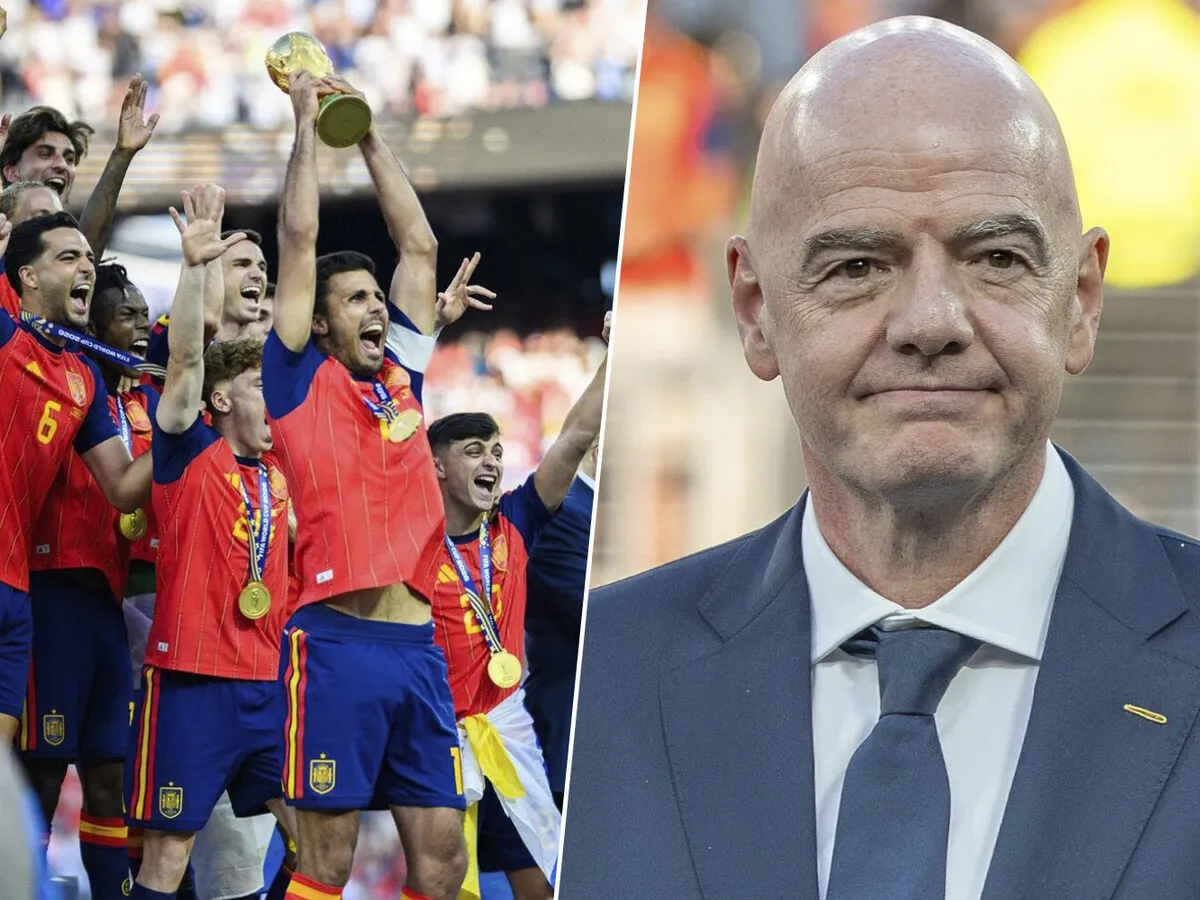
The anticipation surrounding the FIFA World Cup often eclipses other sporting events, drawing millions globally. The last match between Spain and Argentina captivated over 62 million viewers in the United States alone, with estimates suggesting that approximately 2.2 billion people globally tuned in to watch. This immense interest has transformed the upcoming 2030 World Cup, to be co-hosted by Spain, Portugal, and Morocco, into a coveted event. However, recent developments have cast a shadow over the collaboration between these nations, particularly as internal challenges within FIFA begin to surface.
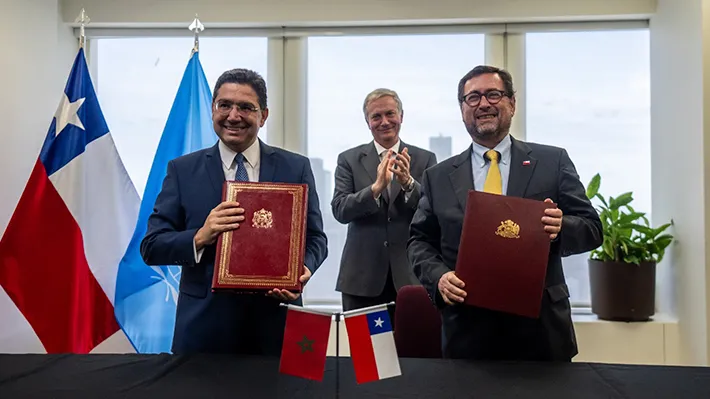
According to a recent report by The Times, FIFA President Gianni Infantino has proposed to Morocco that it could host the World Cup final in exchange for unconditional support as he navigates turbulent waters within the organization. Infantino’s presidency faces criticism, and with elections scheduled for March 2027 in Rabat, he is eager to secure backing from Morocco, a nation with which he has built strong ties over numerous visits. This arrangement raises concerns in Spain, where voices are growing louder about the implications of such a deal.
Implications and Reactions from Spain and Portugal
While FIFA has denied affirming any arrangement regarding the final’s location, the speculation has ignited a heated debate internationally, particularly in Spain and Portugal. Some political factions, including Portugal's Livre party, are calling for a reevaluation of Morocco's role as a co-host, deeming it unsustainable in light of recent crises between the two countries. Similarly, Spain's Sumar parliamentary group has urged a review of the joint hosting arrangement, stressing that cooperation with Morocco must be reconsidered.
Despite these tensions, the Spanish Football Federation (RFEF) has stated its commitment to the joint bid, indicating that it will not withdraw from the event even if the final is held in Morocco. This stance comes amid rising questions about whether Spain should continue with the partnership, especially following Infantino’s controversial remarks praising Morocco, claiming it to be the most beautiful country in the world and asserting that the 2030 edition would be the greatest in history.
The stakes are undeniably high as the World Cup final is not merely a sporting affair but a substantial economic opportunity, capable of generating millions in revenue. With Morocco planning to build a massive stadium capable of hosting 115,000 spectators, the nation is positioning itself as a formidable competitor for the final. The ongoing struggle for hosting rights underscores the intricate interplay of sports, politics, and national pride, as both Spain and Portugal seek to assert their dominance in the realm of international football.
As reported by xataka.com.