Spain Expands Its Hotel Footprint in Morocco
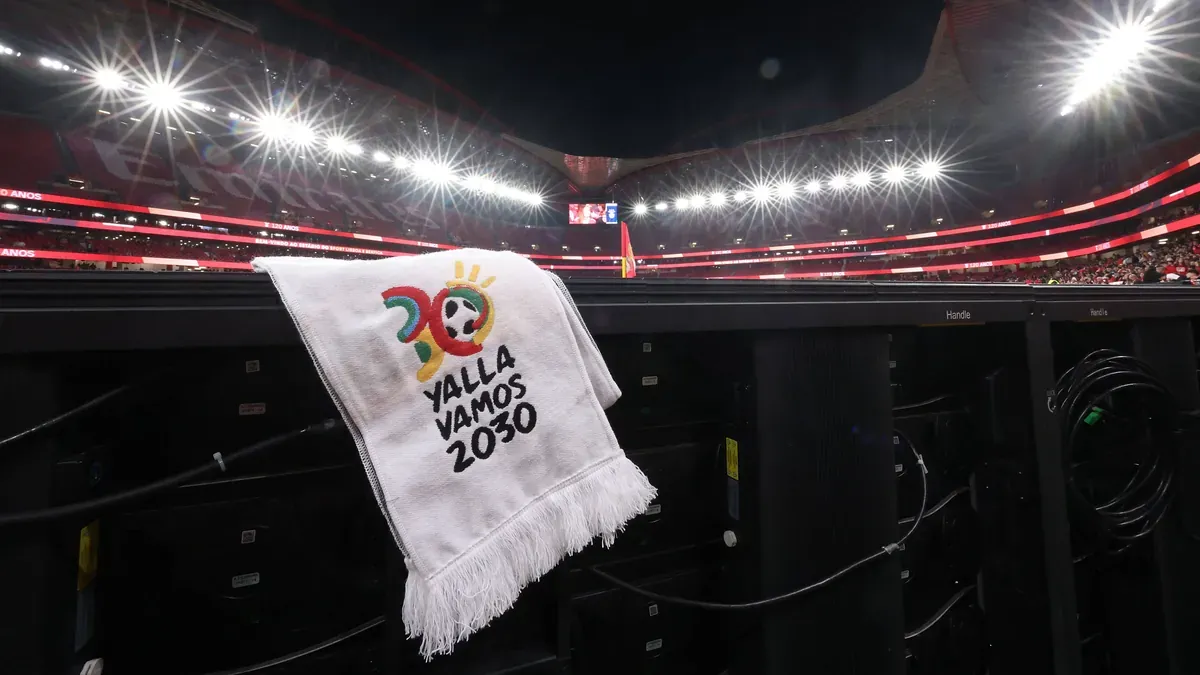
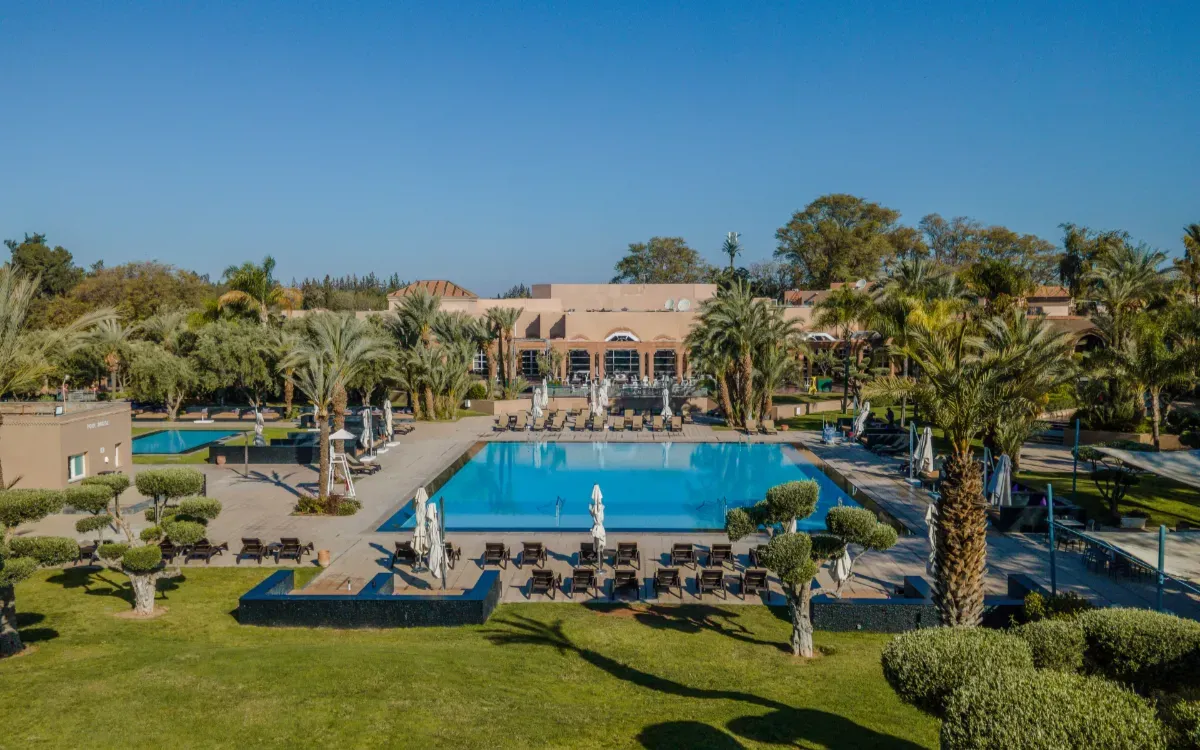
As Morocco gears up for the highly anticipated World Cup 2030, which it is set to co-host with Spain and Portugal, Spain is significantly amplifying its presence within the Moroccan hotel sector. With over twenty hotels now under Spanish management, this strategic partnership is aimed at enhancing the country's hospitality capacity and modernizing its offerings. Spanish hotel chains are rapidly establishing themselves in the Moroccan market, with the Barceló Group leading the charge by managing around ten establishments. Other notable players such as RIU, which has a strong presence in Agadir and Marrakech, along with Iberostar and Meliá, are also solidifying their foothold. New entrants like Ona Hotels have begun targeting cities such as Tangier and Casablanca, further diversifying the landscape of Moroccan hospitality.
This aggressive expansion aligns with Morocco's plans to invest approximately $4 billion to boost its hotel capacity by 20%, aiming to create an additional 25,000 hotel rooms. As Spain rises to become the second-largest foreign investor in the Moroccan hospitality sector, following France, the focus remains on high-end accommodations that cater to a growing influx of international tourists.
Tourism as a Pillar of Morocco's Economy
Tourism plays a crucial role in Morocco's economy, accounting for 9% of the nation's GDP and generating around 900,000 jobs. The robust performance seen in 2025, when the country welcomed 20 million visitors and generated revenues of $14.8 billion, underscores the vitality of this sector. Cities such as Marrakech, Fès, and Tangier are at the forefront of this growth, primarily driven by European and American markets. In response to this booming sector, Morocco is also launching 700 tourism projects, backed by local funding but operated by international brands, thereby ensuring a model of sustainability and quality.
In addition to enhancing its hotel infrastructure, Morocco is modernizing its transportation networks and urban infrastructure to leverage the World Cup as a catalyst for comprehensive national development. The historic partnership between the Accor Group and Risma is set to further propel this initiative, with plans to open a new Sofitel in Tangier by 2029, modernize existing hotel facilities, and establish a training academy to nurture local talent in the hospitality industry. This holistic approach not only aims to amplify Morocco's attraction as a travel destination but also seeks to elevate its status on the global tourism stage.
As reported by bladi.net.