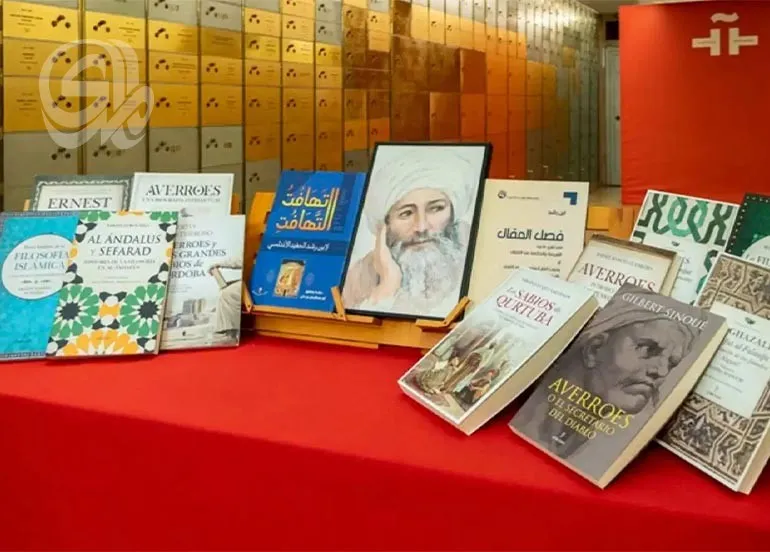

A Unique Cultural Celebration
In an exciting cultural event, Spain is set to celebrate the 900th anniversary of the birth of the renowned Andalusian philosopher Ibn Rushd, also known as Averroes. This celebration will take an unconventional approach by prominently featuring poetry, with the participation of 120 poets from 14 different countries. The festivities are scheduled to take place in September and October, starting from the city of Córdoba, where Ibn Rushd was born in 1126, and then moving to Marrakech, Morocco, where he lived and died in 1198.
The poetic events will also extend to the cities of Fes and Madrid, highlighting the contributions and impact of the philosopher, with the involvement of both Moroccan and Spanish poets. Several cultural institutions are sponsoring this event, including the Almuzara Publishing House, the Spanish Cervantes Institute, the Córdoba Municipality, and the Moroccan Association for Andalusian Friendship (Ibn Rushd Forum).
Promoting Cultural Exchange Through Poetry
The organizing institutions aim for this event to be one of the most significant cultural initiatives commemorating Ibn Rushd's birthday this year, as reported by almadapaper.net. The event seeks to enhance cultural and linguistic communication through various gatherings in numerous countries, drawing inspiration from Ibn Rushd's rich philosophical and human legacy.
The poetry selections featured during the celebration will include works from Moroccan and Arab poets such as Abdelatif Laabi, Mohamed Bentalha, Said Koubrate, Abdel-Salam Al-Mousawi, Abdelaziz Koukass, Abdelhadi Saadoun, Ahmed Chahawy, and Ahmed Kamoun. This initiative is particularly noteworthy as it honors one of the most significant figures in philosophy and intellect through a medium that relies on emotion and imagination, aiming to present his intellectual heritage to a wider audience through literature, alongside accompanying intellectual and cultural activities.
Ibn Rushd was a prominent figure who bridged medicine and jurisprudence, and he is renowned for being one of the foremost commentators on Aristotle’s philosophy during the Middle Ages. His intellectual contributions played a vital role in transmitting classical thought to Europe through the translation of his works into Latin. His influence extended beyond the Islamic world, shaping the development of scholastic thought in Europe, where his interpretations of Aristotle fueled critical discussions about the relationship between philosophy and religion in medieval universities such as the University of Paris.