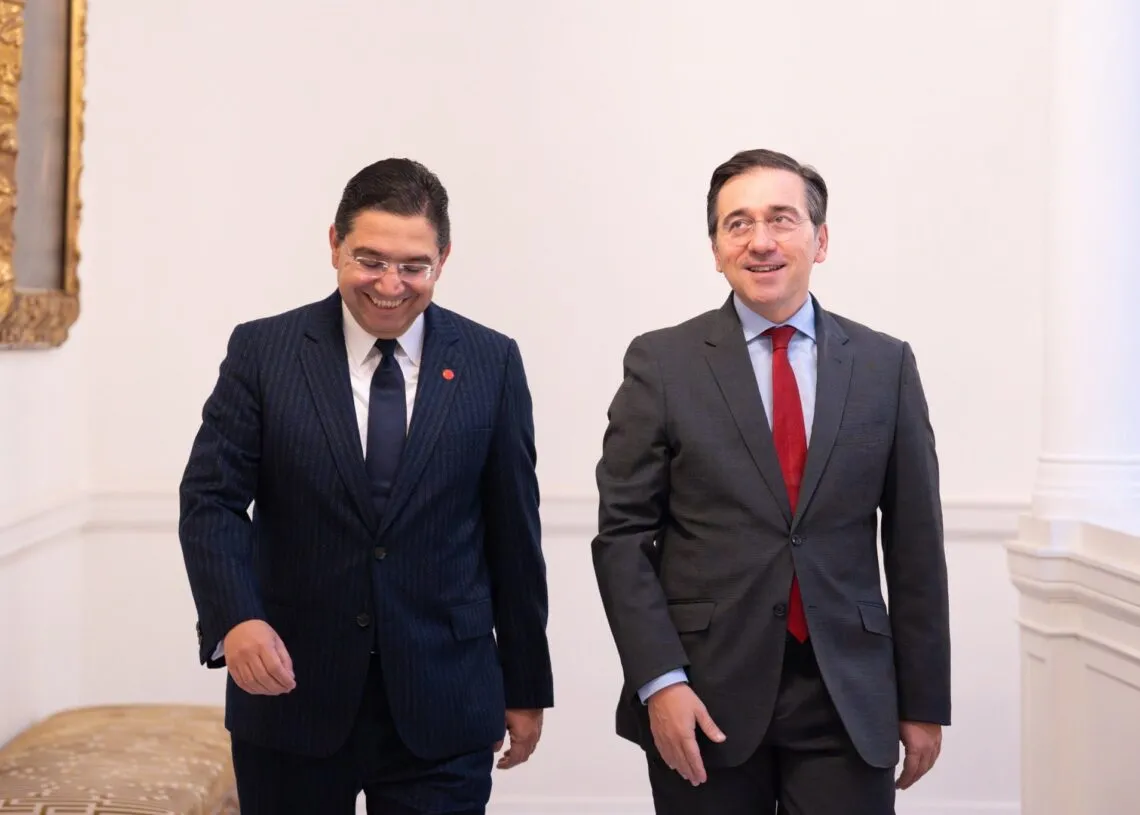

Spain Clarifies Stance on Economic Measures Against Morocco
In a recent development regarding the ongoing Ceuta migration crisis, Spain has categorically denied allegations suggesting that it is formulating a plan that may include economic sanctions against Morocco. Reports from Spanish news outlet Electomania cited RTVE, which claimed that Spain was considering a "contingency plan" aimed at Morocco due to the surge in mass crossings into Ceuta. However, the Spanish government quickly refuted these claims, emphasizing that no such plans are in motion. The government spokesperson stated, "Spain and Morocco share strong cooperation in different sectors, including trade," reinforcing the collaborative relationship between the two nations.
Morocco serves as Spain's primary trading partner within Africa, with a substantial amount of goods flowing between the two countries. Notably, Spanish exports to Morocco encompass refined petroleum, highlighting the economic interdependence that exists. Earlier this year, it was reported that Morocco emerged as one of the top destinations for Spanish natural gas exports, securing the third spot in January with over 822 gigawatt-hours imported. This trade dynamic has contributed to an impressive trade volume that exceeded $22 billion in 2024, marking a significant increase and reflecting a positive trend in bilateral relations.
Historical Context and Political Climate
The relationship between Spain and Morocco has not been without its challenges, particularly in light of past diplomatic crises. Tensions flared in 2021 when Spain's decision to host Brahim Ghali, the leader of the Polisario Front, for medical treatment was perceived by Rabat as a betrayal. However, relations began to improve in 2022 after Spain aligned itself with the growing international consensus that recognizes Morocco's Autonomy Plan as a viable political solution to the Western Sahara dispute. Despite this diplomatic thaw, some factions within Spanish politics, particularly from the far-right parties such as the PP and Vox, have continued to propagate anti-Moroccan sentiments, especially in the wake of the recent migrant influx.
During the Ceuta migration crisis, which saw tens of thousands of migrants crossing into Spain over July 30 and 31, these political parties intensified their rhetoric against Morocco, accusing it of orchestrating a deliberate crisis. Nevertheless, government officials have stood firm in their commitment to collaboration with Morocco, asserting that such cooperation has been instrumental in managing the migration situation effectively. This stance underscores the complexities of international relations as both nations navigate challenges while striving to maintain a robust partnership.
As reported by moroccoworldnews.com.