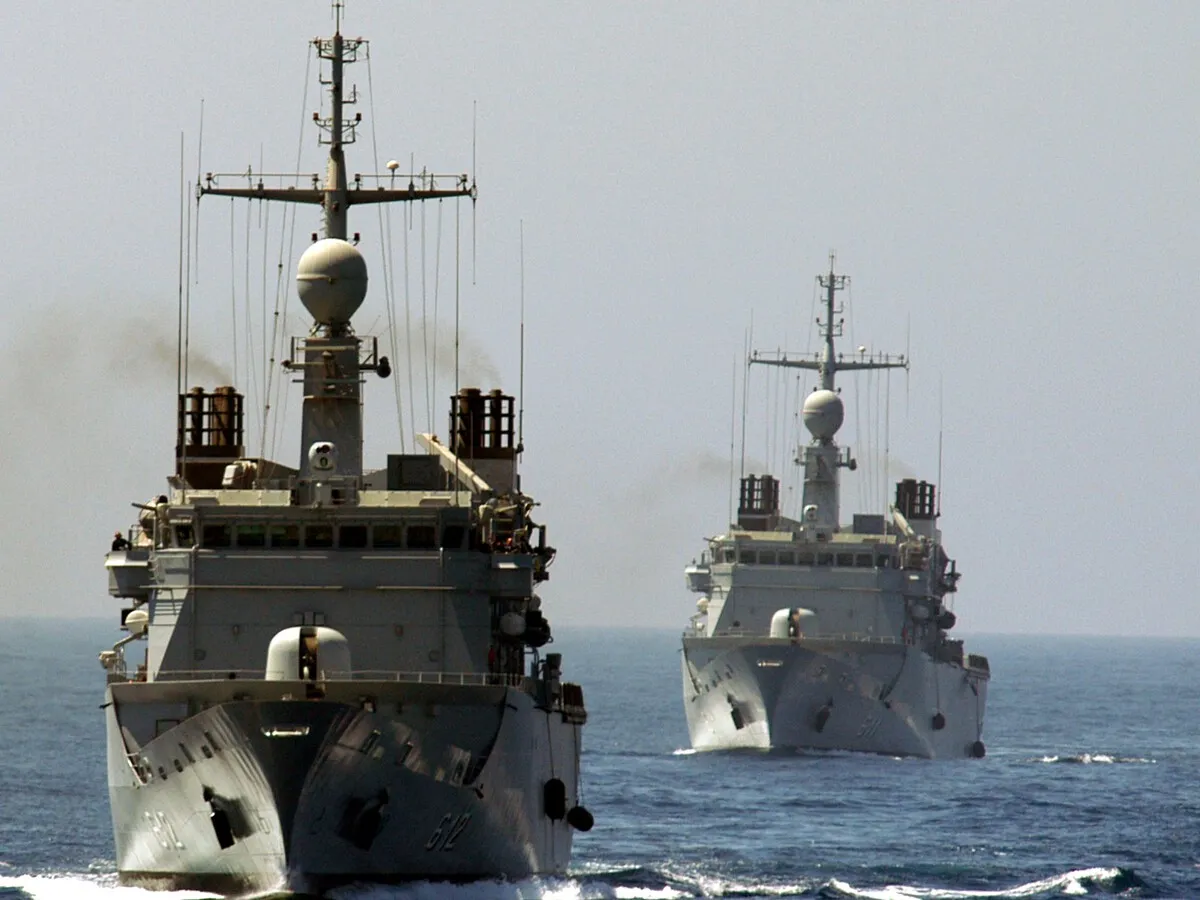

In late July, as thousands of individuals crossed the border from Morocco into Ceuta, a hidden crisis loomed over Spain. On July 30 and 31, Spanish authorities found themselves grappling with a second, less publicized crisis involving naval incursions. A Moroccan frigate, alongside several patrol vessels, repeatedly entered Ceuta's waters without permission, raising tensions to a boiling point and nearly resulting in a collision with Spanish military ships. This migration crisis had morphed into a delicate naval standoff, prompting Spain to mobilize multiple naval units and initiate high-level discussions with Rabat.
The Naval Incursions
According to an investigation published by El País, at least one Moroccan frigate and several patrol boats made repeated unauthorized entries into Ceuta's waters, coinciding with a massive influx of migrants arriving on foot and by swimming at El Tarajal. Eyewitness accounts described these naval movements as intentional actions that heightened the already tense atmosphere. The presence of military vessels significantly escalated the situation, as their operations fall under a different command structure with implications that differ from those of civilian boats.
Throughout the early days of August, these incursions persisted, leading to dangerously close encounters between Spanish and Moroccan naval units. Reports indicated that a Spanish patrol boat nearly collided with a Moroccan counterpart, an incident that could have exacerbated the diplomatic confrontation. The risk of escalation was particularly acute given the geographical proximity of both nations and the complexities of managing military tensions in the busy Strait of Gibraltar.
In response to the heightened threat, Spain's Defense Chief initially dispatched the maritime action vessel Rayo from its base in Las Palmas, arriving in Ceuta on August 3 to bolster surveillance efforts. Soon after, the frigate Santa María was sent from Rota, although technical issues necessitated its replacement with the frigate Navarra. Both vessels coordinated their operations in Ceuta on August 6, transferring Marine Infantry equipment while the Spanish Defense Ministry maintained ongoing dialogue with Moroccan authorities. Following this display of deterrence, the incursions reportedly ceased.
Political Implications and the Sovereignty Dispute
The backdrop of these naval confrontations lies in a longstanding disagreement over the sovereignty of Ceuta and its adjacent waters. Spain asserts that the city generates a territorial sea extending up to twelve nautical miles, while Morocco contests Spain's claim over Ceuta and Melilla, denying the legitimacy of Spanish sovereignty over these territories. Previous incidents involving Moroccan gendarmerie vessels during drug smuggling pursuits had created minor frictions, but the involvement of military frigates represented an unprecedented scenario.
The coincidental timing of the migrant surge alongside the naval incursions raised questions regarding a potential connection between the two events. Sources consulted by El País refrained from asserting any coordinated effort, and existing information does not conclusively demonstrate that Moroccan authorities orchestrated the migration. Prime Minister Pedro Sánchez later acknowledged that the Moroccan gendarmerie had allowed border crossings for several hours but maintained that the Spanish government lacked solid evidence of a planned migration operation by Rabat.
The controversy reached a political climax when El Español reported that none of the 40 declassified government documents regarding the crisis mentioned the naval incursions. This omission led to significant criticism from military and security sources, who deemed it noteworthy and questioned the selection criteria for the published reports. Sánchez had previously assured the Congress that his administration had nothing to hide, which later revelations about the naval incidents cast doubt on the transparency he professed.
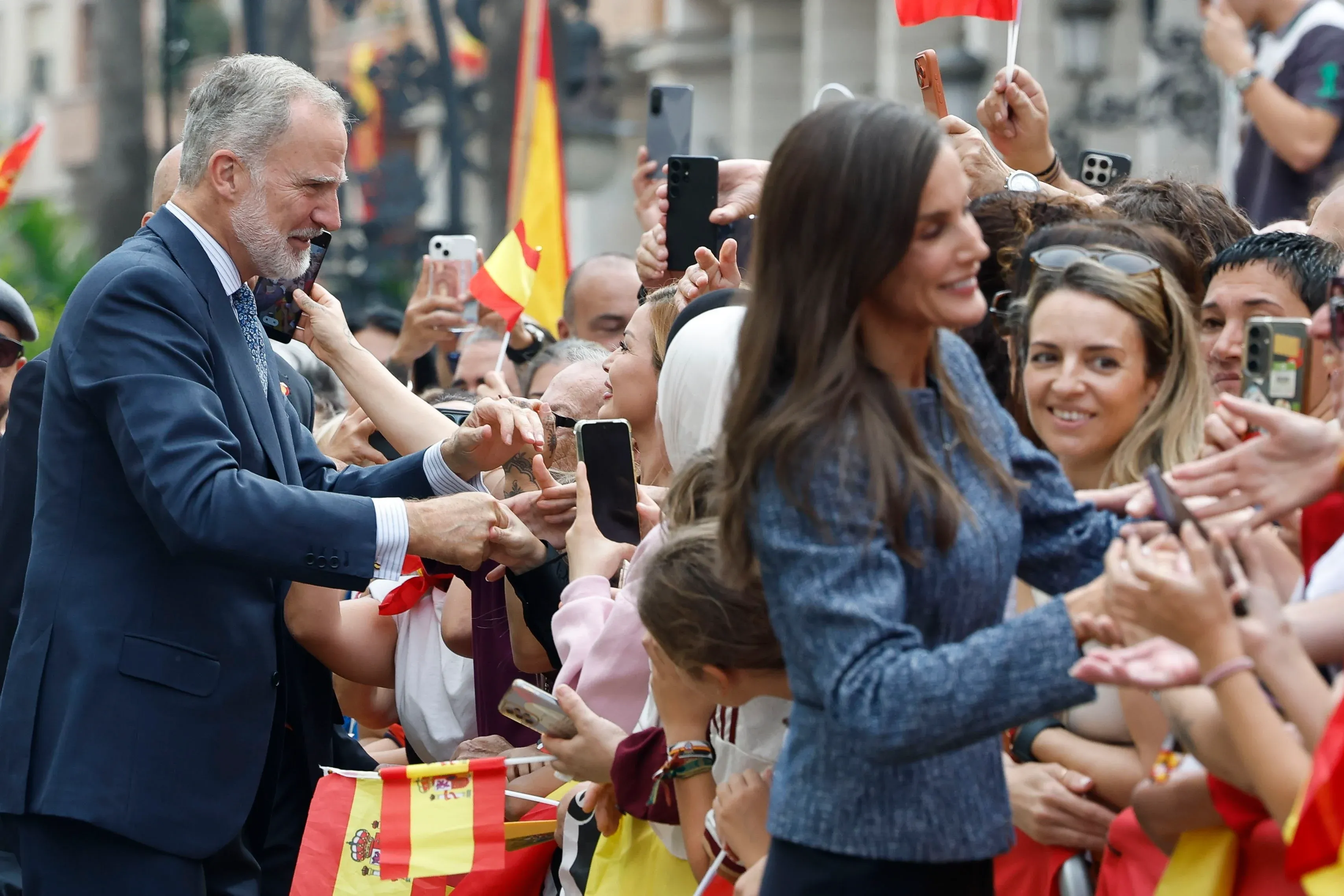
On September 8, King Felipe VI convened a meeting at the Zarzuela Palace with Defense Minister Margarita Robles and five senior military officials to assess the situation in Ceuta. This meeting, later publicized by the Royal House, underscored the heightened importance of security in the autonomous city and its military implications. Sánchez later confirmed the naval incidents, describing those days as particularly challenging, while emphasizing the continued dialogue between both countries. However, the crisis remains characterized by dual dimensions—migratory and military—with their possible interconnection still unverified.
As reported by xataka.com.