
Ceuta's Migrant Influx: A Political and Humanitarian Challenge
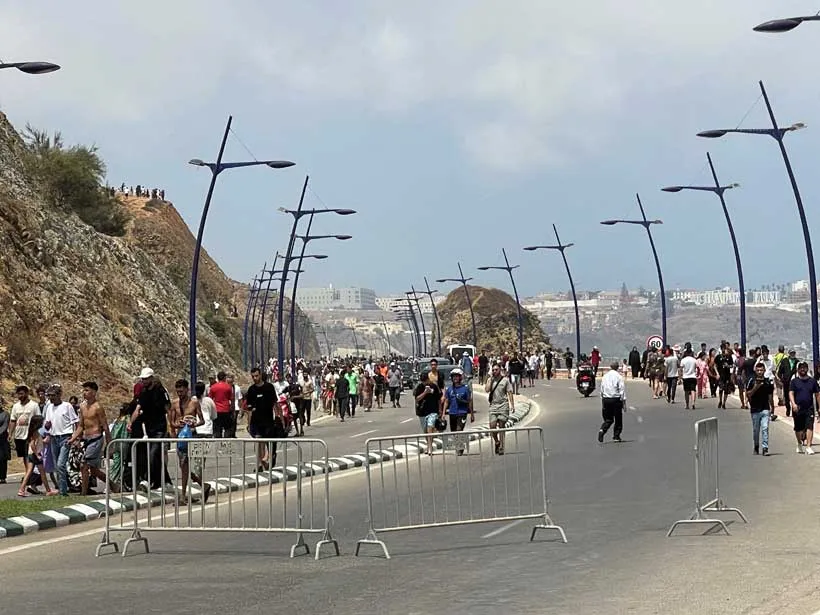
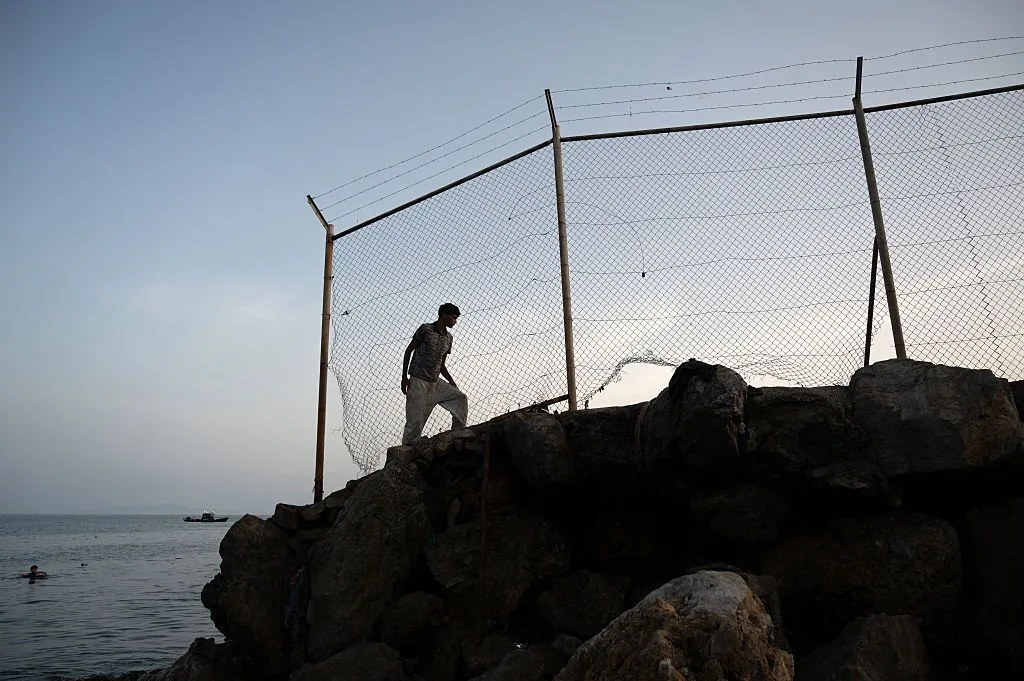
On July 31, 2026, a dramatic surge of migrants attempting to cross from Morocco to Spain's North African enclave of Ceuta unfolded, as countless individuals braved treacherous waters in hopes of reaching European soil. This event prompted Spanish Prime Minister Pedro Sánchez to address the media, a routine he has honed over years of navigating crises. By the following morning, the government declared the situation under control, mobilizing the army and erecting a 500-meter floating barrier along the border with Morocco. However, the narrative was already shaped by harrowing images of thousands of migrants making the perilous journey, igniting outrage from foreign leaders and critics.
U.S. President Trump characterized the influx as a "catastrophe" and an "invasion," attributing blame to what he referred to as Spain's "weak" immigration policies. The U.S. State Department echoed this sentiment, highlighting Sánchez's migration-friendly approach as a contributing factor to the crisis. Similarly, Italian Prime Minister Giorgia Meloni expressed concern over the implications of such irregular migration on European security, temporarily reinstating border controls for travelers from Spain. Within Spain, Sánchez's political adversaries, particularly the far-right VOX party, seized the moment to demand stricter border security measures and immediate deportation of migrants, including minors. This crisis comes at a precarious time for Sánchez, whose government is already grappling with the devastating impact of wildfires across the nation.
International Reactions and the Underlying Causes
The rapid escalation of this border crossing situation, which saw nearly 60,000 migrants enter Ceuta in just a few days, has drawn sharp criticism and concern from multiple fronts. Reports indicate that at least 67 individuals lost their lives during the attempt, with many drowning while navigating around barriers meant to separate Spain from Morocco. Historically, Ceuta has faced waves of migration, with previous incidents often characterized by mass attempts to breach the border. However, what distinguishes this latest event is the notable presence of Moroccan migrants, prompting allegations that Moroccan law enforcement was either absent or complicit during critical moments of the crossing.
Riccardo Fabiani of the International Crisis Group articulated a viewpoint that this was a "manufactured crisis," citing disturbing testimonies and video evidence suggesting that Moroccan authorities may have facilitated the mass crossings. The situation has been further complicated by a recent ruling from Spain's Supreme Court, which eased deportation protocols for migrants entering Ceuta or Melilla, potentially incentivizing more individuals to attempt the crossing. Additionally, a surge of social media messages heralded the perceived ease of crossing, leading many to believe they would be welcomed into Spain.
As the situation continues to evolve, the implications of this crisis reach beyond Spain, escalating tensions with Morocco and drawing criticism from European nations. The recent diplomatic strains between Spain and Morocco, particularly over sovereignty issues regarding Ceuta and Melilla, have been exacerbated by Sánchez's shifting policies and alliances, including a controversial endorsement of Morocco's claims over Western Sahara. Meanwhile, Sánchez's immigration policies, while aimed at fostering a regulated approach to migration, have painted him as increasingly isolated in his stance within the broader European context. The unfolding events at Ceuta not only challenge his political resilience but also underscore the complexities and challenges of migration management in contemporary Europe.
As reported by npr.org.