
Spain's Landmark Citizenship Legislation for Sahrawis
In a significant political move, Spain's socialist party, the PSOE, along with its coalition partners, has successfully passed a regulation in the Spanish Congress that grants citizenship to all Sahrawis born in Western Sahara before September 29, 1977. This groundbreaking decision extends the right to Spanish nationality not only to those individuals but also to their first-degree descendants, irrespective of their current legal status in Spain. The approval of this initiative came despite abstentions from the Junts and Partido Popular parties, as well as a dissenting vote from Vox. Notably, the PSOE had previously shown reluctance to support such measures, highlighting the political complexities surrounding this issue. Before the law can take effect, it still requires approval from the Senate, after which eligible individuals can apply for citizenship within three years of its enactment, as published in the Boletín Oficial del Estado.
Implications and Background of the Citizenship Law
This new legislation also provides for the citizenship of first-degree children of Sahrawis who benefit from the regulation, with a five-year application window following the official registration of the parent's citizenship. Applicants must provide proof of eligibility, which can include a Spanish ID, registration in the United Nations-sanctioned referendum list for Western Sahara, or a birth certificate. Less formal documents, such as school certificates or medical records, may also be accepted. Observers from Sahrawi organizations attended the congressional debate, with estimates suggesting that between 80,000 and 120,000 individuals could benefit from this law.
The new regulation aligns Sahrawis with nationals from countries such as Andorra, the Philippines, Equatorial Guinea, and Portugal, who can acquire Spanish citizenship after just two years of legal residence, as opposed to the standard ten-year requirement for most foreigners. However, it is crucial to distinguish this citizenship acquisition from the extraordinary regularization process separately approved by Prime Minister Pedro Sánchez's government, which permits legal employment through a one-year renewable residency permit but does not confer Spanish citizenship status. Initially, the PSOE had resisted even discussing the legislative proposal, but in recent years, they found themselves isolated, with both government partners and the Partido Popular in favor of the initiative.
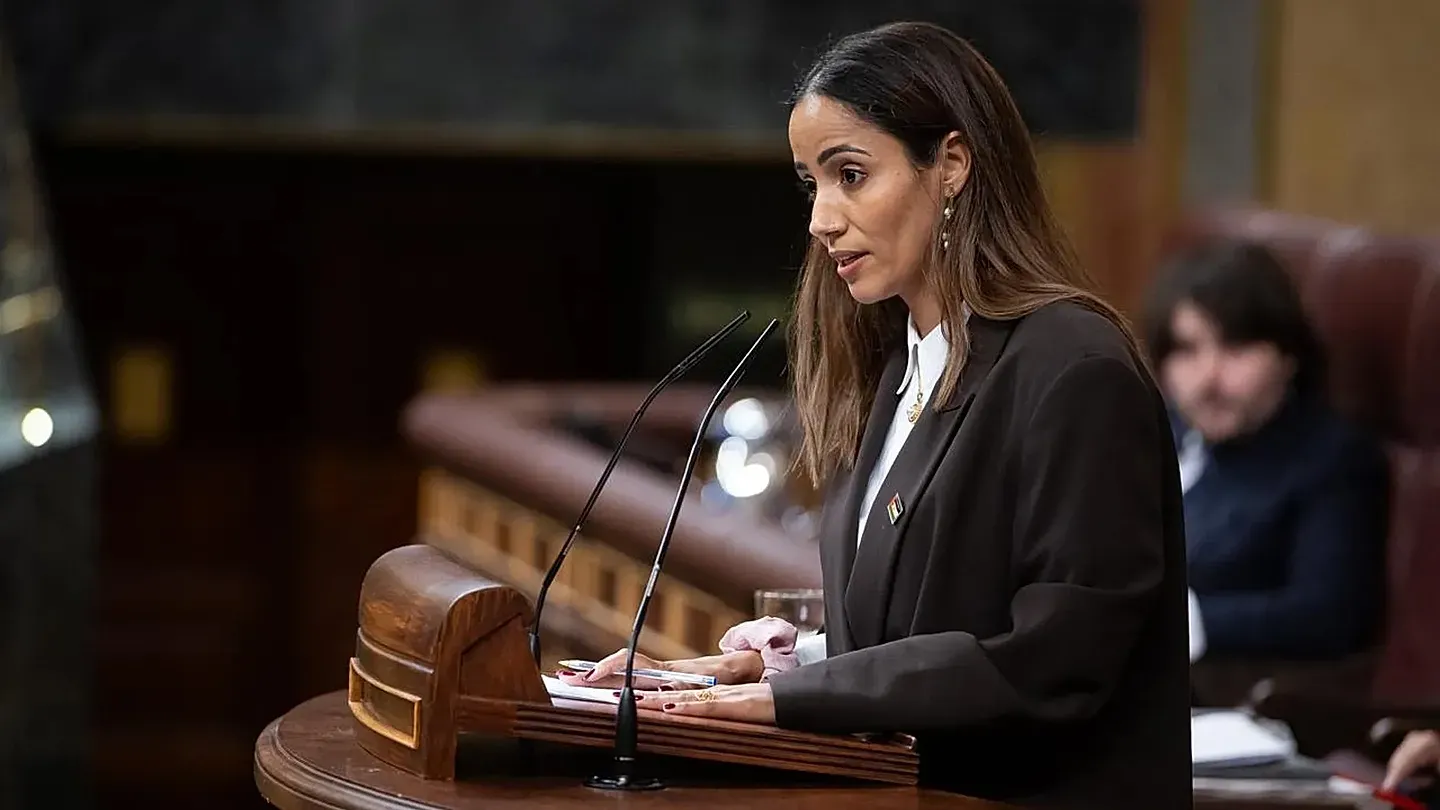
The proposal was introduced by the smaller coalition partner, Sumar, represented by engineer Tesh Sidi, born in Sahrawi refugee camps in Algeria. Sidi passionately defended the legislation, stating, “We are correcting a historical injustice: those who legally reside in Spain should be able to complete the application process in two years. Previously, Sahrawis had to wait ten, fourteen, or even twenty-four years to apply for Spanish citizenship, often while having a Spanish parent and legal residence.” She emphasized that abstaining or voting against the bill would equate to siding with Morocco.
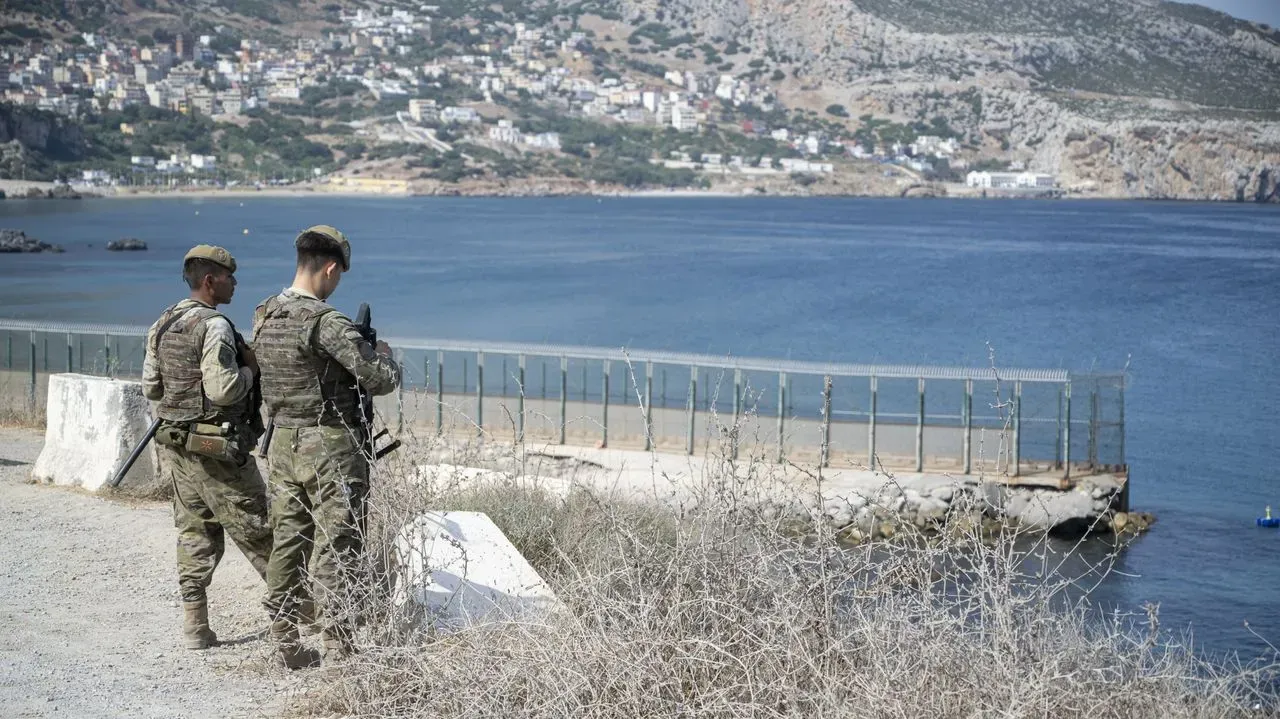
This law is poised to affect Spain's intricate relationship with Morocco, which has maintained control over Western Sahara since the last Spaniards departed in 1976 and does not recognize its sovereignty. A portion of the former territory remains under the control of the Democratic Arab Republic of Sahrawi and the Frente Polisario, both unrecognized by Western nations. The timing of this decision is particularly critical, as coalition partners, the opposition, and a significant segment of public opinion are questioning the government's portrayal of Morocco's involvement in the recent migration crisis that emerged in July in Ceuta. A report released on Wednesday confirmed that Moroccan intelligence was aware of the mass border crossings at least 24 hours in advance.
Historically, Morocco has utilized migration flows as a form of political leverage against Spain. During a similar crisis in 2021, approximately ten thousand individuals crossed into Ceuta illegally—less than a fifth of the anticipated volume for the current situation. This earlier crisis was triggered by reports that former Foreign Minister Arancha González Laya had allowed the Frente Polisario leader, Brahim Ghali, to enter Spain, leading to diplomatic tensions over Spain's stance on Western Sahara. The United States recognized Morocco's sovereignty over Western Sahara at the end of Donald Trump's presidency as part of a broader agreement that included normalizing relations with Israel.
As reported by de.euronews.com.