Protests Erupt Across Spain Amid Tensions with Morocco
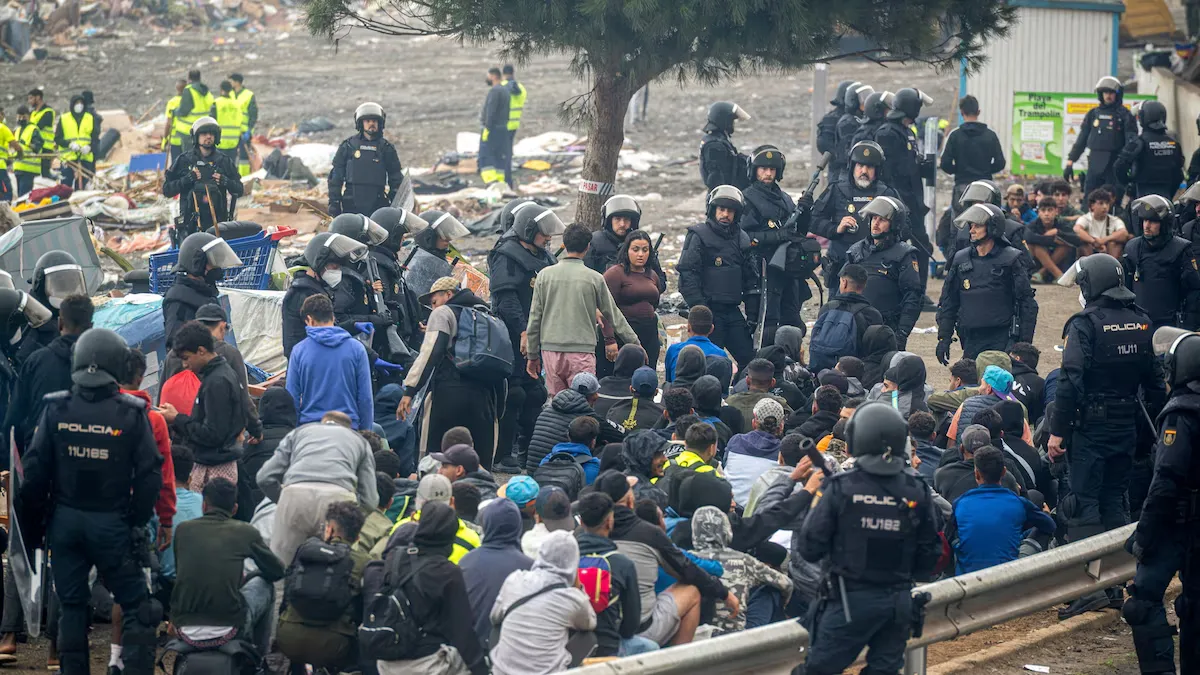
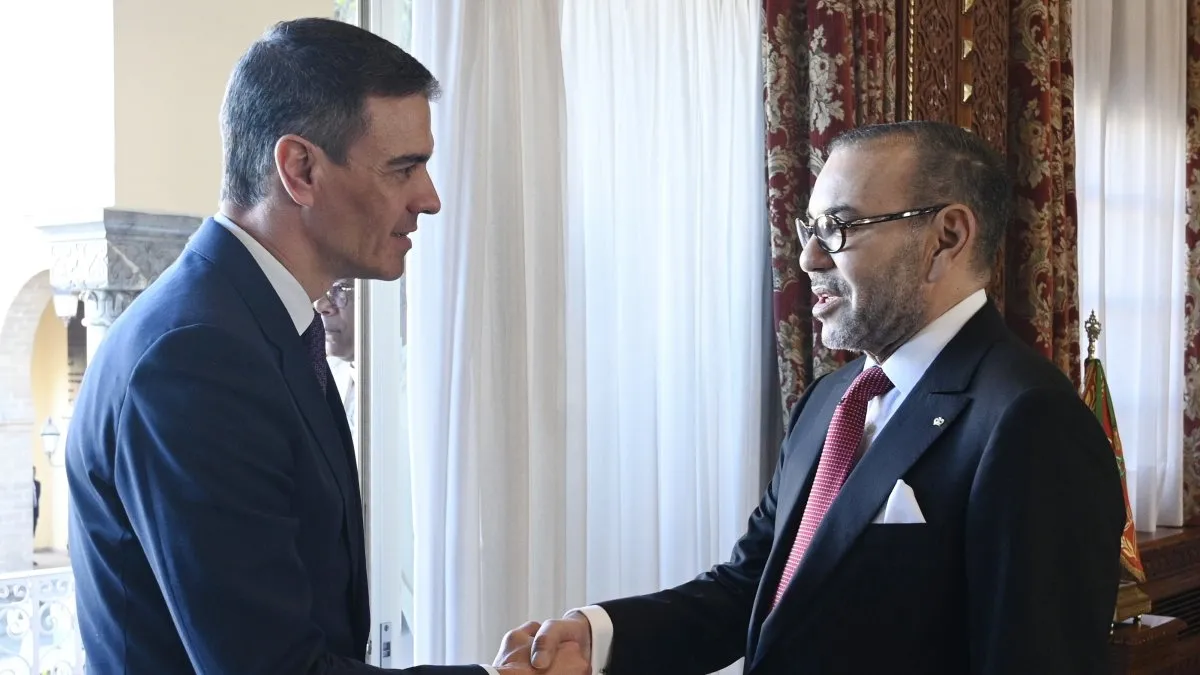
In recent days, Spain has witnessed a surge of protests as citizens express their discontent with Prime Minister Pedro Sánchez's government, particularly in light of the ongoing crisis in Ceuta. The situation escalated dramatically with the arrival of approximately 80,000 migrants from Moroccan territory, prompting serious questions about the Spanish government's response. Political analyst Talib Alisalem has provided insights on ESdiario TV regarding the government's perplexing stance towards Morocco amidst growing evidence suggesting its involvement in the migrant influx. Alisalem asserts that the issues at hand extend beyond mere surveillance tactics like the Pegasus spyware and delve into a longstanding, intricate relationship between key figures in the Spanish Socialist Workers' Party (PSOE) and the Moroccan monarchy.
The crux of the matter lies in the Spanish government's reluctance to hold Morocco accountable for its role in this unprecedented migration crisis. Alisalem argues that it is unusual for a state under siege, grappling with threats to its territorial integrity, to actively shield the aggressor. He emphasizes that he has not encountered a similar situation in his extensive career analyzing international conflicts, particularly in the Middle East and Africa. This contradiction raises legitimate concerns among the Spanish populace, prompting them to question why the Sánchez administration continues to portray Morocco as a reliable partner despite mounting evidence to the contrary.
Allegations of a Deeper Connection
Alisalem's interview sheds light on the complexities of Spain's political landscape, suggesting that the government's current attitudes may be influenced by an organized structure within the PSOE that prioritizes Moroccan interests over those of Spain. He pointedly remarked that the existence of such a network, which allegedly operates under the radar, indicates a troubling reality where the interests of a foreign nation could supersede national security concerns. The analyst did not shy away from naming influential figures within the PSOE, including former Prime Minister Felipe González and José Luis Rodríguez Zapatero, whose connections to Morocco have long been a source of controversy. Alisalem highlighted Zapatero's frequent trips to Morocco, where he reportedly delivers well-compensated lectures that some perceive as legitimizing Morocco's occupation of Western Sahara.
The gravity of Alisalem's assertions raises important questions about the integrity of Spain's political leadership and its foreign policy objectives. He maintains that the ties between the PSOE and Morocco have deep historical roots, suggesting that these relationships continue to shape the party's current direction and actions. Furthermore, he points to current Foreign Minister José Manuel Albares and his connections to Moroccan elites as indicative of ongoing concerns regarding the influence of foreign interests within the Spanish government. Alisalem's comments provoke further scrutiny of the Sánchez administration's foreign policy and its implications for Spain's national sovereignty, particularly in light of the recent crisis in Ceuta.
As reported by esdiario.com.