
The Spanish government is taking proactive measures to prepare for potential mass migrant surges, particularly in the northern African enclave of Ceuta. In response to recent calls on social media for another attempt to breach the borders, Spain has significantly increased its police and military presence in the region. The Moroccan Interior Ministry has also reported anonymous posts on social platforms urging such actions, as highlighted by the Spanish newspaper tagesspiegel.de.
On July 30, approximately 80,000 individuals attempted to cross the border from Morocco into Ceuta, resulting in nearly 100 fatalities during the chaotic event. As a precaution, Spanish soldiers have been stationed in combat uniforms at supermarkets and public buildings, while police vehicles are actively patrolling the main roads of the enclave. Following the previous surge, Spain established a maritime barrier and deployed over 500 additional police officers from the mainland, bringing the total to around 1,600 police personnel and 2,000 soldiers on the ground. Some forces have reportedly been recalled from vacation to address the situation, which the Interior Ministry has stated will remain until deemed necessary.
Fernando Grande-Marlaska, Spain’s Interior Minister, expressed the government’s commitment to restoring order and preventing a recurrence of the July 30 incidents. Currently, around 5,000 migrants are still present in Ceuta, and authorities have begun verifying the status of adults. Those without legal residency will be repatriated to Morocco, with many migrants having already returned voluntarily shortly after the initial surge. The influx has sparked discord within the European Union and has intensified the anti-immigration rhetoric of far-right parties worldwide. Notably, Italy suspended the Schengen Agreement for Spain despite Ceuta not being part of the Schengen Area.
Morocco Responds to Migrant Crisis with Increased Security
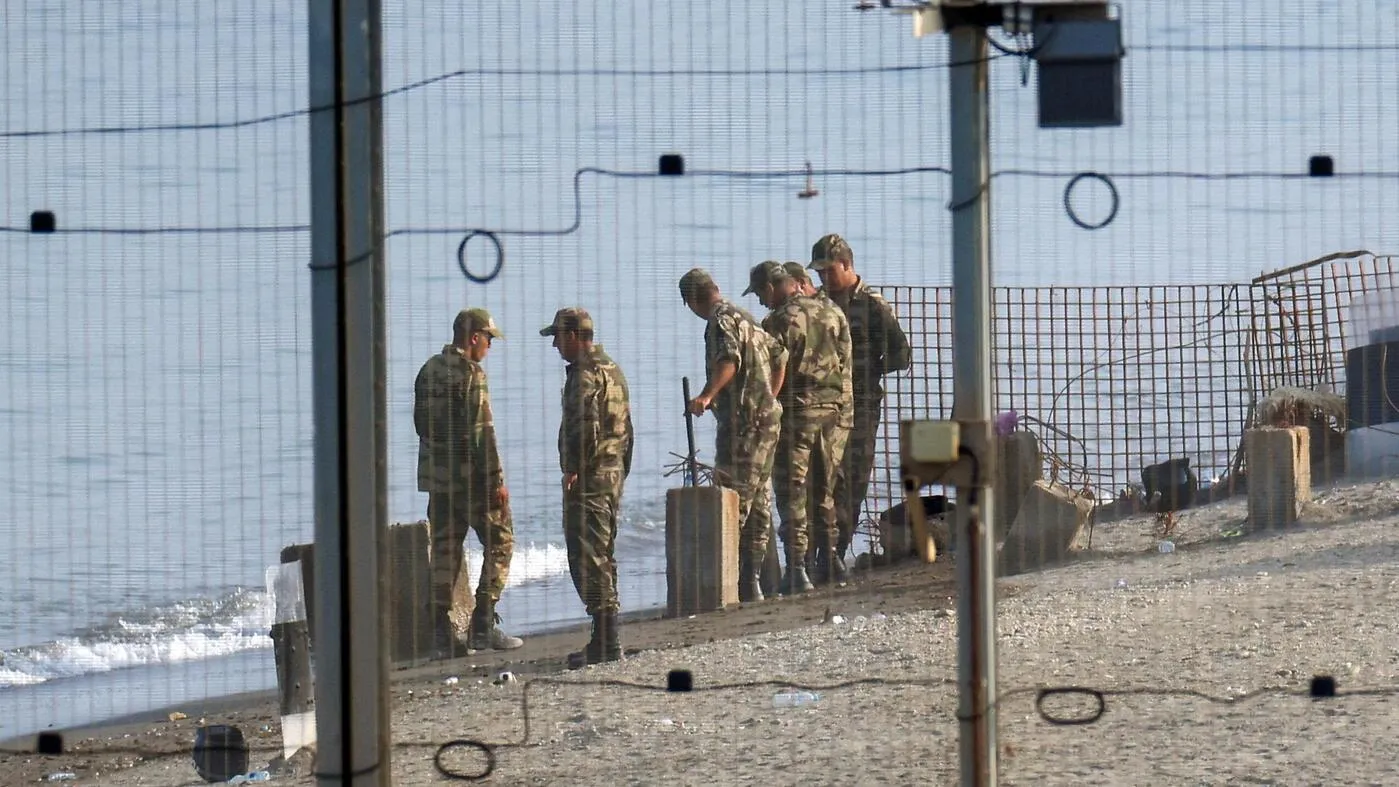
On the Moroccan side of the border, security forces clad in black monitored the beach in Fnideq, a common departure point for migrants heading to Ceuta. Reports from local media indicate that security has been heightened at the borders with Ceuta and the second Spanish enclave, Melilla, including the installation of barbed wire fences. Earlier this week, the Moroccan government announced it was closely monitoring the spread of social media posts and unverified news advocating for a mass surge on August 15. Officials warned that they would pursue legal action against organizers and participants of such events.
To further demonstrate its commitment, the Moroccan Interior Ministry disclosed that a group of individuals suspected of inciting new attempts at illegal entry into Ceuta and Melilla has been arrested, with accusations of spreading misinformation among the charges. They emphasized that all necessary measures have been implemented to thwart any illegal border crossings and apprehend individuals attempting such actions.
Call for Enhanced Cooperation Between Spain and Morocco
Authorities are expected to be better prepared for any potential incidents on Saturday than they were during the previous crisis. Rachid el Jalfi, a spokesman for the Moroccan Interior Ministry, urged individuals not to heed the calls circulating on social media, as they pose significant risks to public safety. During a press conference, Minister Grande-Marlaska reiterated the importance of disregarding such calls, warning people against listening to criminal networks that jeopardize their lives. He affirmed that no one would remain in Ceuta, reach the mainland, or obtain legal residency status through these actions.
The recent migration crisis has prompted criticism towards the Moroccan government for its perceived lack of commitment to preventing illegal border crossings at the end of July. In early August, a Moroccan official rejected these accusations, stating that the sheer number of migrants attempting to reach the enclave was overwhelming for security forces to manage effectively. The current situation highlights the urgent need for coordinated efforts between Spain and Morocco to tackle irregular migration and human trafficking networks.
As reported by tagesspiegel.de.