
Spain's Shift in Policy Towards Morocco
The Spanish government has recently signaled a significant shift in its approach towards Morocco, particularly in response to the ongoing migrant crisis in Ceuta. Prime Minister Pedro Sánchez has publicly criticized Morocco's failure to manage border control effectively, stating during an interview at the UN General Assembly in New York that, "It is clear that the border control of the country has failed." In the past, Sánchez's left-leaning minority government had praised Morocco for its cooperation in border security, often defending it against criticism from the conservative opposition. This new stance marks a pivotal moment in Spain's foreign policy, as the government reassesses its relationship with its North African neighbor.
In the same interview, Sánchez addressed the plight of over 10,000 migrants currently residing in Ceuta, asserting that they would be returned "with dignity," emphasizing that immigrants should be treated as human beings rather than livestock. This compassionate approach highlights the complexities of immigration and the responsibility of nations to uphold human rights during such crises.
Heightened Security Measures and Concerns of Mass Influx
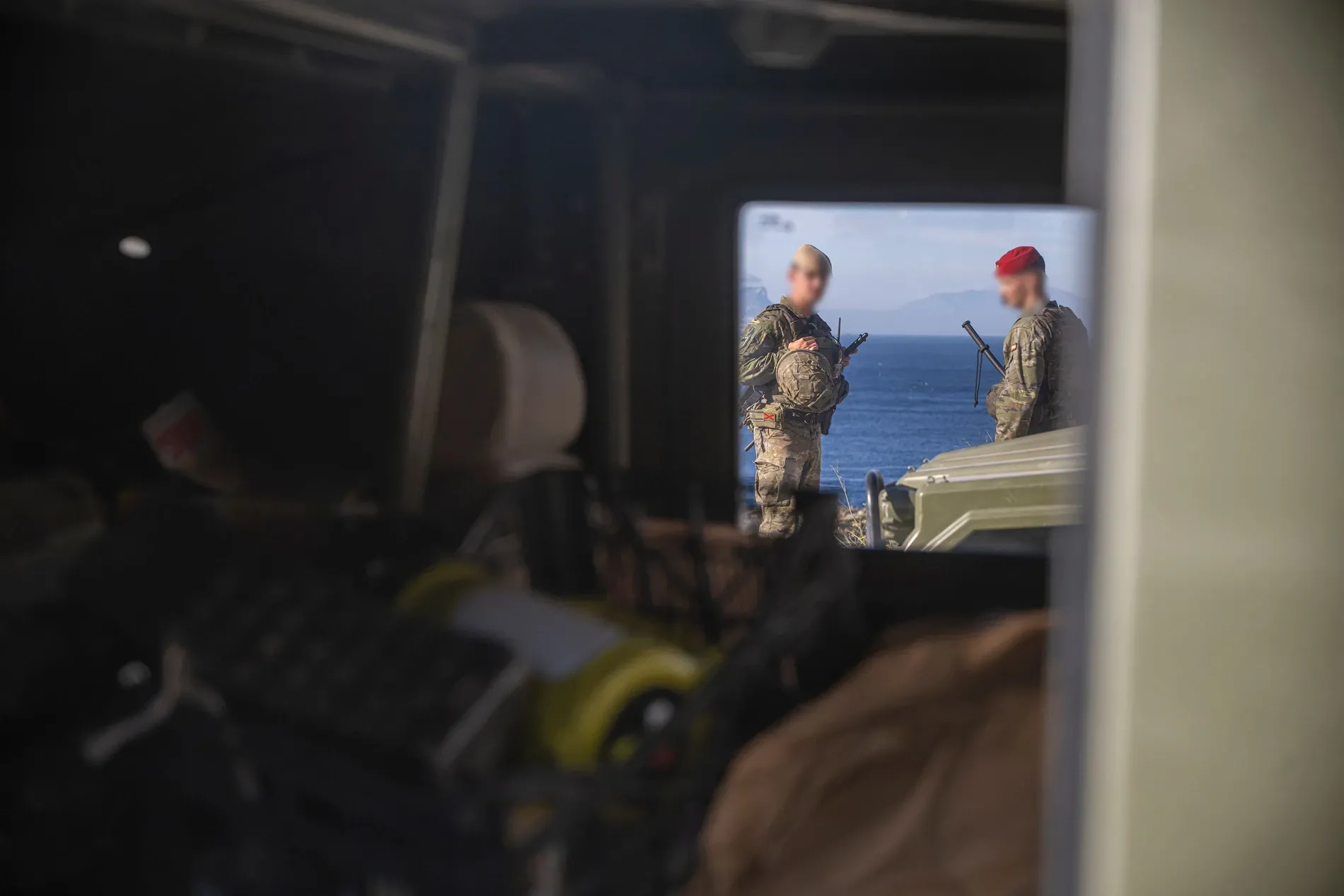
Spain is increasingly concerned about a potential new wave of mass migration, with fears mounting ahead of parliamentary elections in Morocco, scheduled for September 23. Recent reports indicated that approximately 80,000 individuals had already surged into the Spanish enclave by the end of July. This situation has been exacerbated by social media calls for a "major assault" on Ceuta, potentially overwhelming the already strained border facilities. In response to these developments, Spanish Foreign Minister José Manuel Albares has urged Morocco to enhance its security measures. Both countries previously agreed on security enhancements back in mid-August, but with the rising tensions, Spain has deployed several hundred additional police officers to the border region.
Recent intelligence reports have also raised alarms about a growing number of Sub-Saharan Africans, led primarily by Sudanese, making their way towards North Africa. Despite this, there have been sightings of several migrant groups in the hills near the border without attempts to approach Ceuta, indicating a complex and fluid situation on the ground.
To further fortify its borders, the Spanish government has announced plans to construct a permanent barrier at the Tarajal border crossing in Ceuta, extending over a hundred meters into the sea and reaching down to the seabed. This initiative, backed by an investment of nine million euros, comes after a floating barrier established in August suffered significant damage due to rough sea conditions.
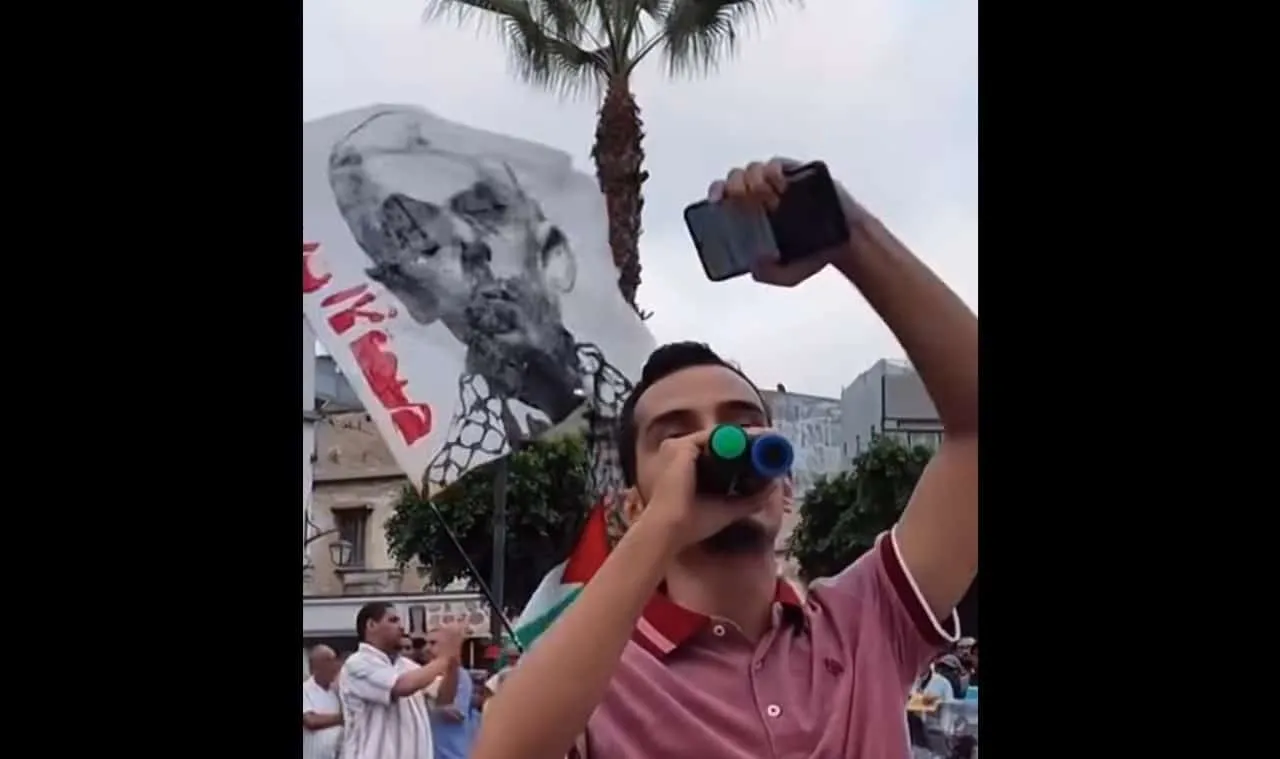
The political atmosphere in Morocco is also tense, with low voter turnout expected in the upcoming parliamentary elections, reflecting widespread disillusionment among the youth. Reports indicate a troubling trend where young Moroccans, despite making up a significant portion of eligible voters, are choosing to abandon their country rather than participate in the electoral process. This sentiment was evident last fall when demonstrations erupted across Morocco, driven by the aspirations of the 'Generation Z', marking the largest protests since the Arab Spring. In contrast to their eagerness for change, many young Moroccans appear to prefer emigration over engaging in the political system. Among the migrants in Ceuta, they constitute a substantial majority, with only a mere four percent of Moroccans aged 18 to 24 registering to vote.
The Moroccan parliament, while holding some influence, operates under the ultimate authority of King Mohammed VI, who appoints key ministers and the prime minister. As the country gears up for the 2030 FIFA World Cup, which it will host alongside Spain and Portugal, the political landscape remains fraught with challenges as the government strives to address the pressing issues at hand.
As reported by faz.net.